How Regular Chimney Maintenance Can Save You Thousands in Repairs
Understanding Chimney Wear and Tear
The Nature of Chimney Deterioration
Chimneys are exposed to extreme conditions daily, from high-temperature combustion to weather fluctuations. Over time, repeated exposure can lead to structural weakening, cracks in masonry, and corrosion in metal components. Moisture infiltration is a primary culprit in chimney deterioration. Rain, snow, and condensation can seep into bricks and mortar, causing spalling, efflorescence, or mortar degradation. Left unchecked, these issues may compromise the chimney’s stability and create safety hazards.
Another significant concern is creosote buildup. Creosote, a highly flammable byproduct of wood combustion, can accumulate along the flue walls. Even a thin layer presents a fire risk, while heavier deposits increase the likelihood of chimney fires. Moreover, animal nests, debris, and soot can obstruct airflow, causing smoke and carbon monoxide to enter the home.
Signs of Wear Every Homeowner Should Know
Being aware of early warning signs allows homeowners to act before minor problems escalate. Common indicators of chimney deterioration include:
- Cracks or gaps in the chimney crown or masonry
- Rusting of metal components such as flue liners or dampers
- Dark streaks or soot stains on the exterior walls
- Unusual odors or smoke backup inside the home
By identifying these signs early, homeowners can schedule targeted maintenance, preventing costly repairs or full replacement down the line. Proactive attention minimizes long-term damage and ensures the chimney continues to function efficiently and safely.
The Financial Impact of Neglect
Hidden Costs of Ignoring Maintenance
Neglecting chimney care may seem convenient, but the financial consequences are significant. Small cracks, minor creosote deposits, or deteriorating mortar may appear harmless at first, yet left unattended, these issues worsen over time. Repair costs escalate as damage spreads. For instance, a minor chimney liner crack may cost a few hundred dollars to repair, whereas ignoring it could result in a full liner replacement exceeding several thousand dollars.
Water damage compounds the problem. Moisture can seep through cracks, damaging surrounding walls, ceilings, and even the roof structure. This not only leads to higher repair bills but also creates potential health hazards such as mold growth. Chimney fires are another expensive risk. According to the National Fire Protection Association, thousands of chimney fires occur annually, many originating from uncleaned flues. Fire damage repairs can run into tens of thousands of dollars, far exceeding the cost of routine cleaning and inspection.
Cost-Benefit of Regular Maintenance
Regular inspections, cleaning, and minor repairs are a cost-effective alternative. Annual maintenance can identify small cracks, creosote buildup, or moisture intrusion early. Addressing these issues promptly reduces the need for extensive repairs, safeguards property value, and prevents insurance complications that may arise from neglect. In essence, a modest yearly investment in chimney upkeep can save homeowners thousands in unforeseen repair expenses while maintaining the safety and efficiency of the home heating system.
Essential Chimney Maintenance Practices
Professional Inspections
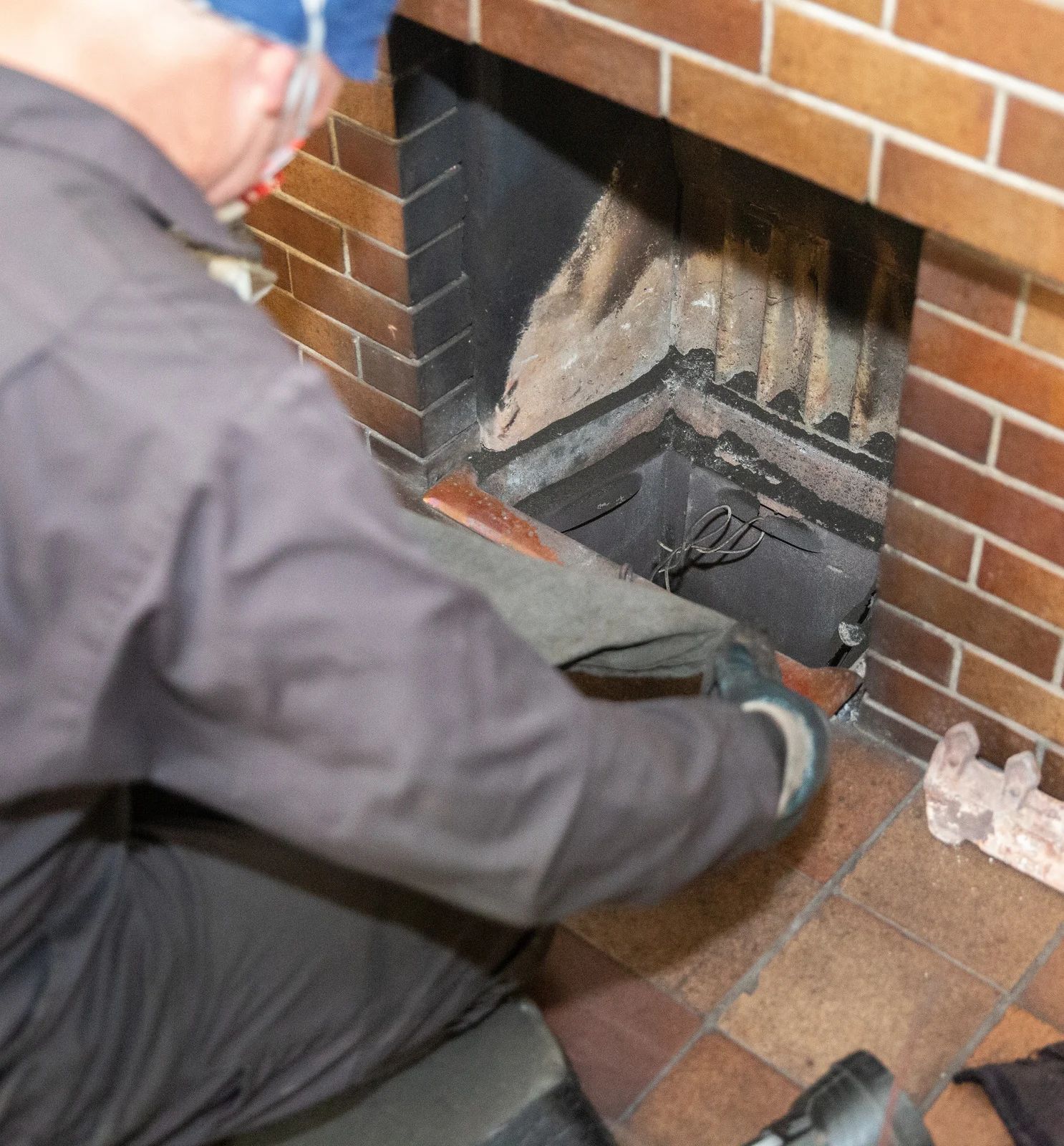
Annual chimney inspections are a cornerstone of preventive care. Certified chimney professionals assess the flue, liner, crown, and surrounding masonry for wear, damage, or blockage. Inspections may be visual or involve specialized tools such as cameras to detect hidden cracks and structural weaknesses. Professionals can also identify moisture damage, corrosion, and the presence of pests or debris that may impede function.
Routine Cleaning
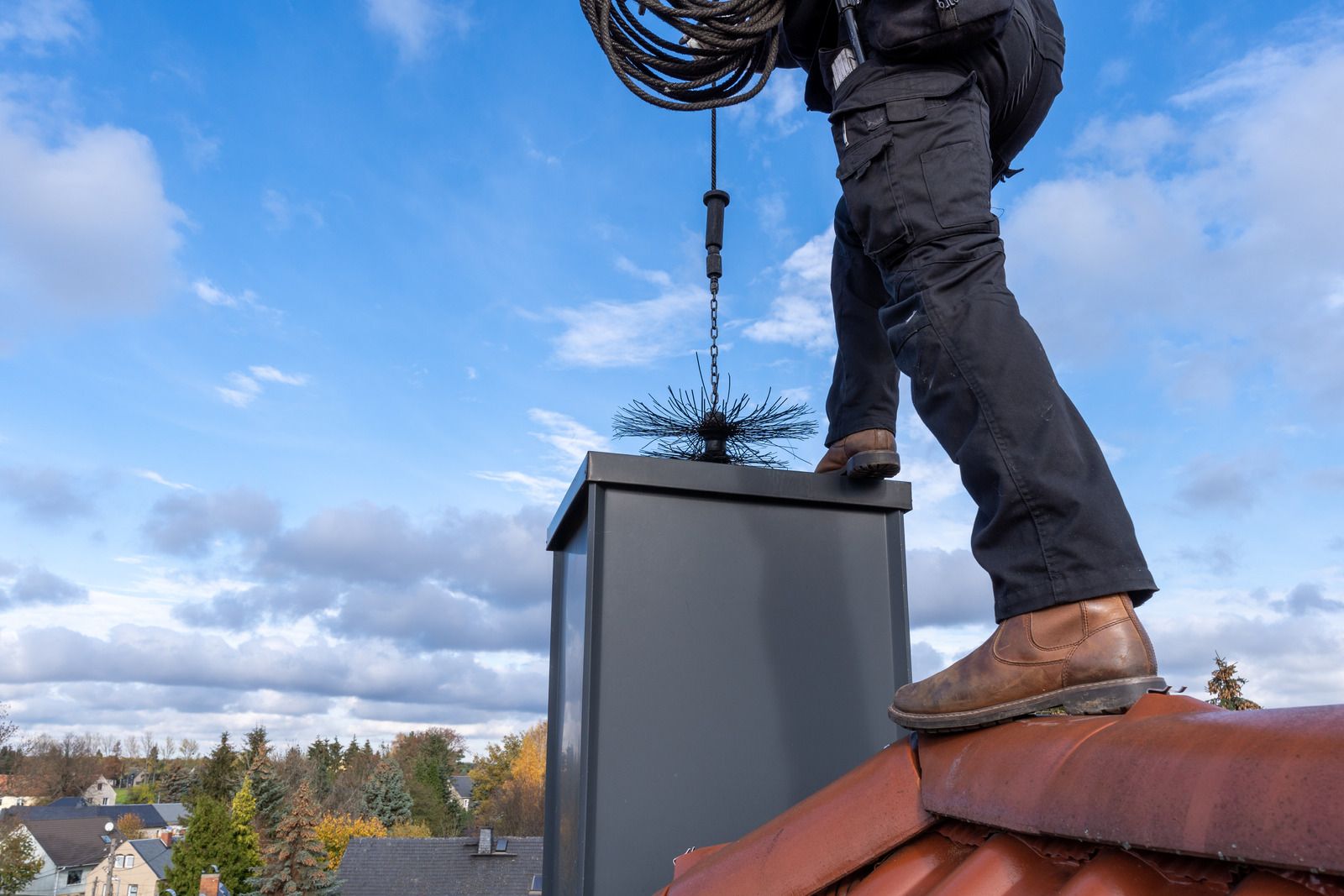
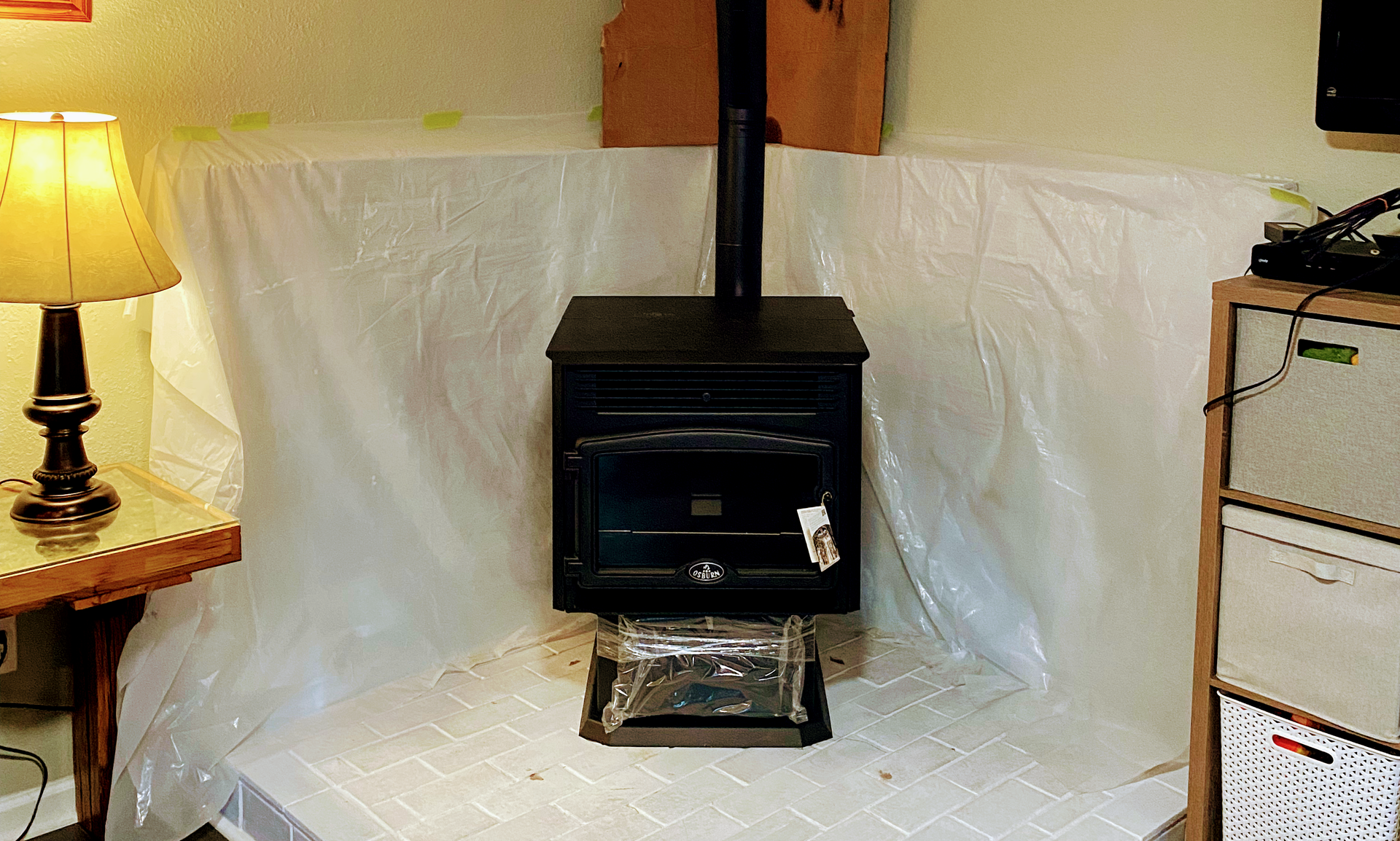
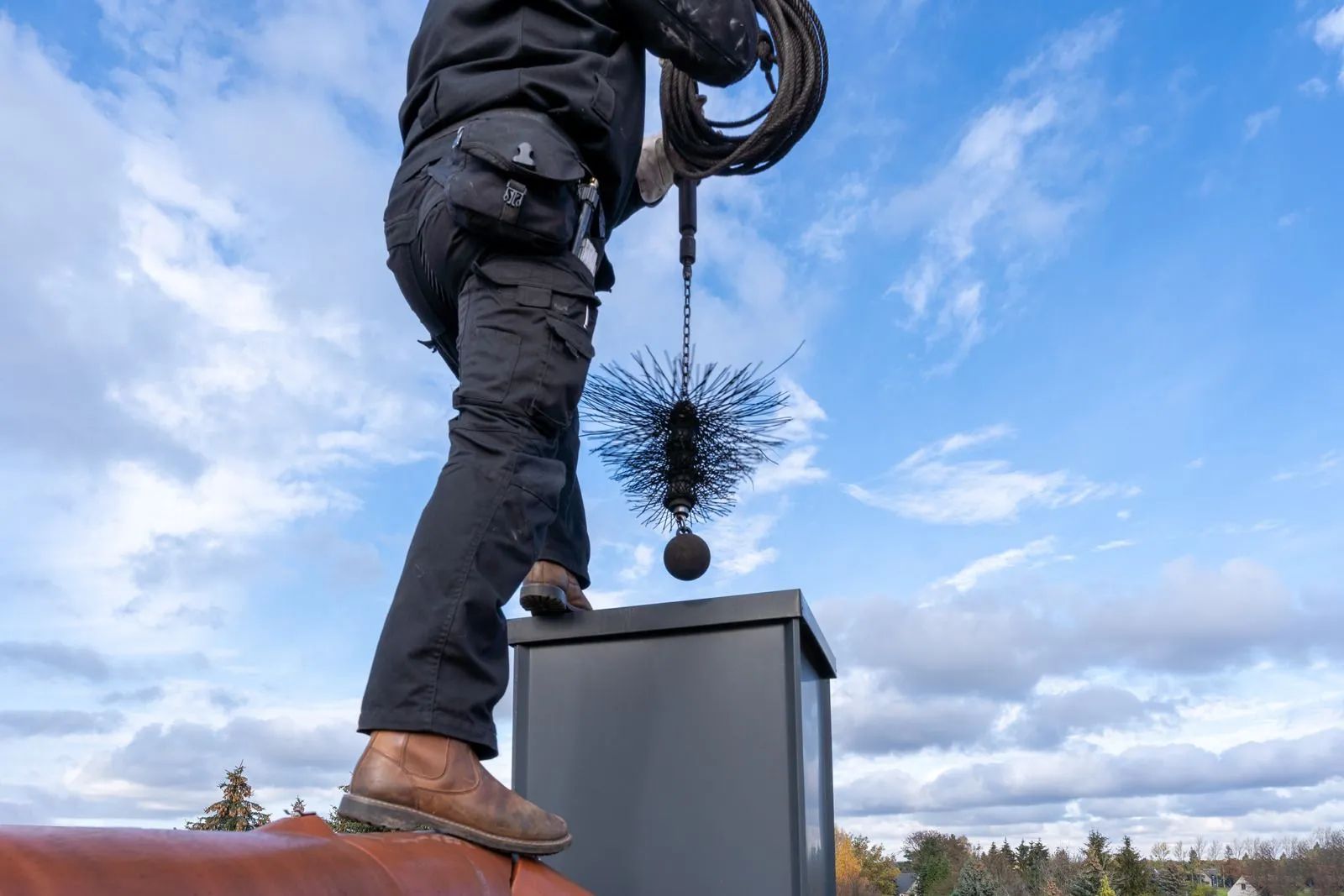
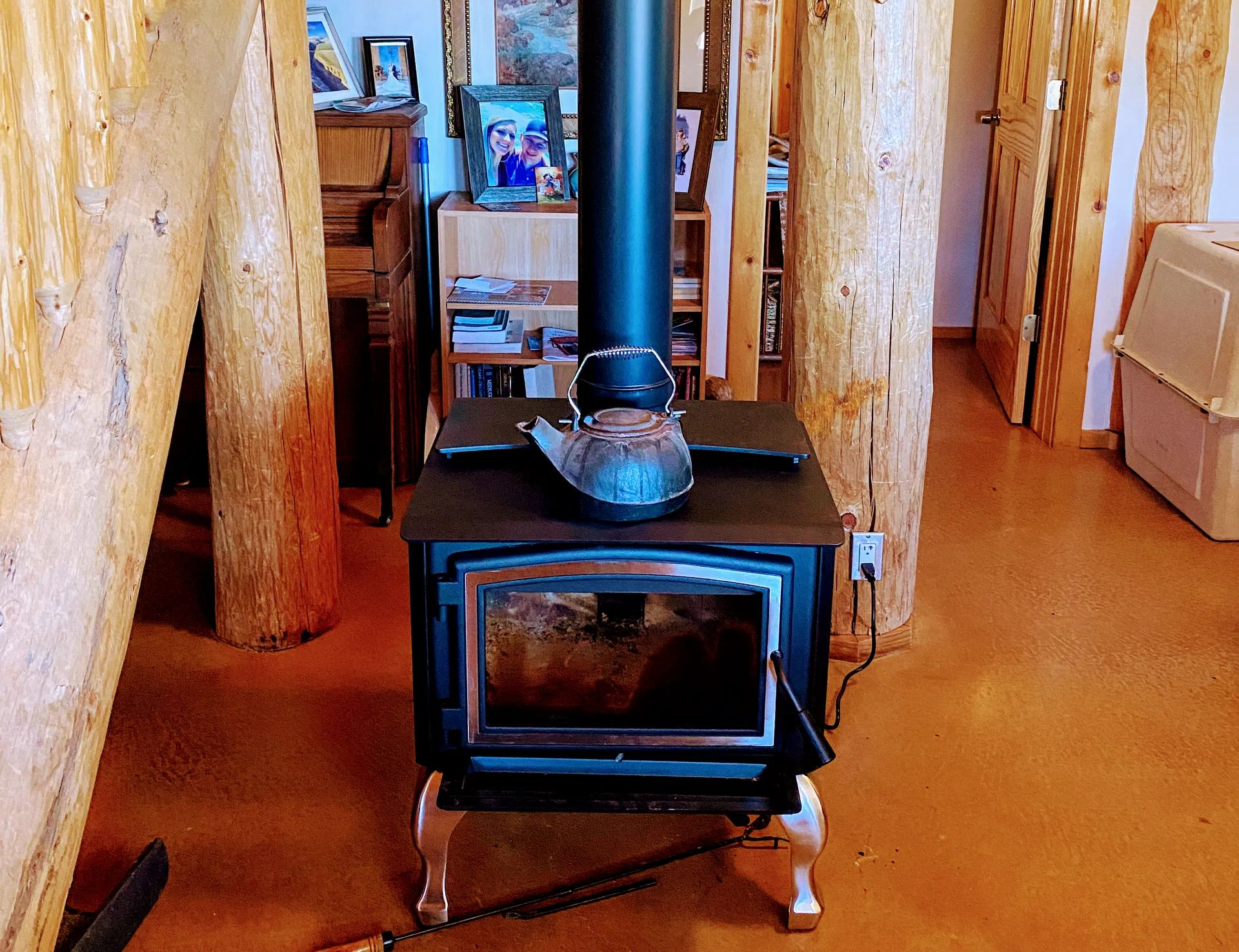
Chimney cleaning removes creosote, soot, and debris that accumulate over time. A clean flue improves airflow, prevents smoke backup, and reduces the risk of chimney fires. Frequency of cleaning depends on usage; fireplaces used daily during winter require more frequent maintenance than those used occasionally. Wood-burning stoves, gas fireplaces, and pellet stoves each have unique cleaning needs, which professionals can advise on.
Minor Repairs and Upkeep
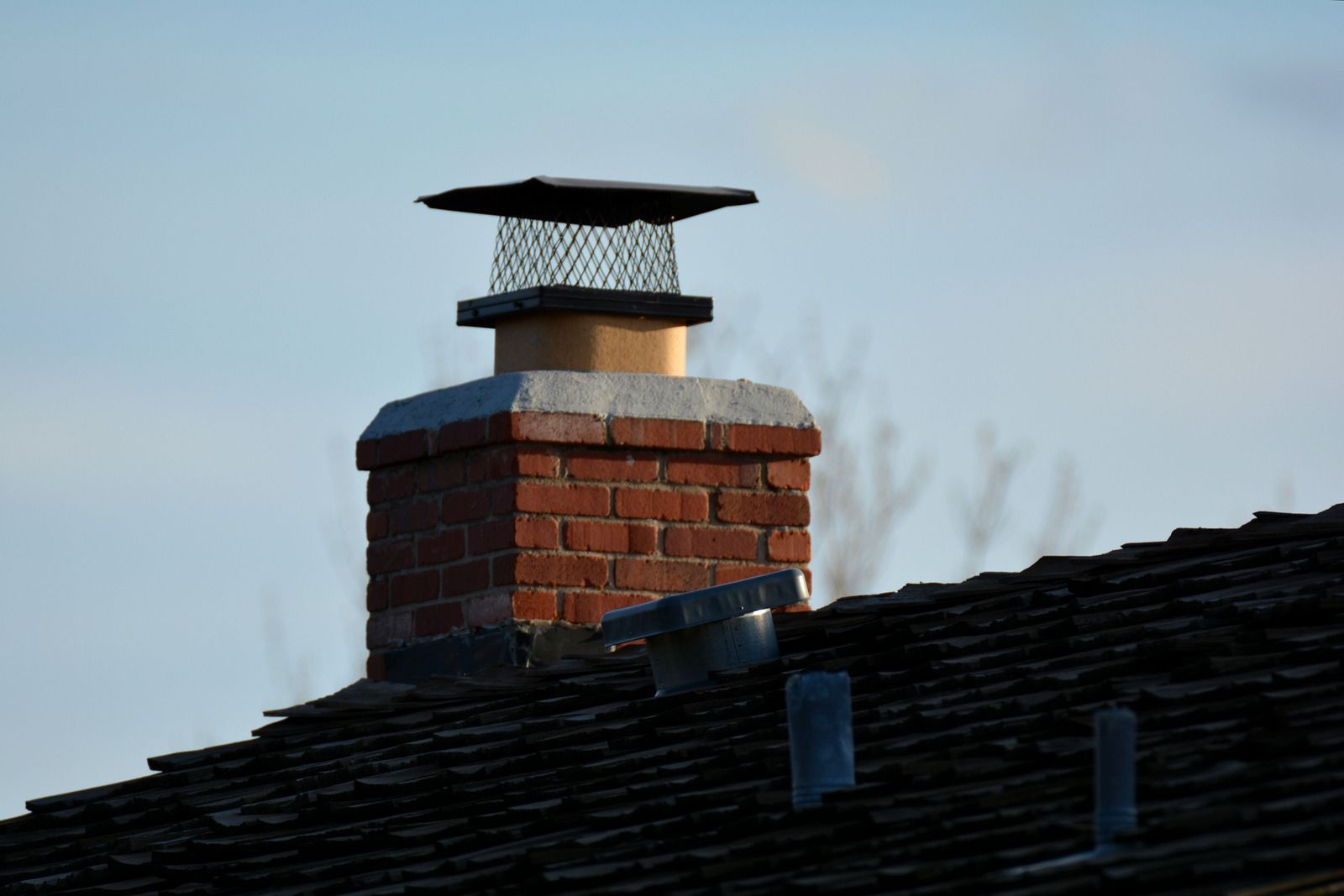
Small repairs such as repointing mortar joints, sealing cracks, or replacing damaged flue liners prevent larger structural failures. Weatherproofing measures, including chimney caps and waterproof coatings, reduce water infiltration. Regular maintenance also includes checking and repairing dampers, flashings, and metal components to ensure proper function. By addressing these minor issues, homeowners maintain optimal chimney performance and extend its lifespan.
Safety Measures
Maintenance also prioritizes safety. Installing carbon monoxide detectors, fire-resistant dampers, and proper chimney caps can prevent accidents. Professional technicians not only clean and repair chimneys but also educate homeowners on safe operation practices, further reducing fire risk and ensuring compliance with local building codes.
Real-World Scenarios and Examples
Consider a homeowner who ignores annual chimney maintenance. Over several winters, creosote accumulates, moisture infiltrates the masonry, and small cracks go unnoticed. One cold night, a chimney fire ignites, causing extensive damage to the fireplace, surrounding walls, and roof. The total repair cost exceeds $20,000. In contrast, a neighbor who invested in yearly inspections and cleanings spent less than $500 annually but avoided fire hazards, structural damage, and costly repairs.
In another scenario, a minor chimney liner issue led to water leakage in a home. Left unaddressed, the moisture damaged the living room ceiling and hardwood floors, resulting in repair expenses exceeding $10,000. Routine inspection and minor liner repair would have prevented this costly outcome.
These real-world examples highlight that proactive chimney care is not merely an optional home improvement; it is a strategic investment. Consistent maintenance identifies small issues early, protecting homeowners from severe financial losses while ensuring the chimney operates safely and efficiently throughout the year.
Best Practices for Homeowners
Establish a Maintenance Schedule
Homeowners should schedule annual inspections, preferably before the heating season begins. Consistency ensures timely identification of potential hazards and allows for preventive action rather than reactive repair.
Keep the Chimney Clean
Avoid burning materials that produce excessive creosote, such as wet or softwood. Regular sweeping reduces fire risk and prolongs the chimney’s structural health. Professional cleaning is highly recommended to ensure thorough removal of residues and obstructions.
Monitor for Warning Signs
Be attentive to smoke patterns, odors, or unusual drafts. Inspect the chimney exterior periodically for cracks, stains, or water damage. Early detection enables prompt repair, mitigating extensive damage.
Partner with Professionals
Engaging certified chimney sweeps or maintenance specialists ensures expertise in inspections, cleaning, and minor repairs. Professionals provide guidance on appropriate preventive measures, seasonal maintenance, and safety precautions tailored to specific chimney types.
Invest in Safety Equipment
Install chimney caps, dampers, and smoke or carbon monoxide detectors. These additions enhance safety, prevent debris or animals from entering the flue, and protect the home against fire hazards.
Regular chimney maintenance is a critical aspect of homeownership that directly influences safety, efficiency, and long-term cost savings. By understanding the natural wear and tear of chimneys, recognizing early warning signs, and implementing consistent cleaning and repair routines, homeowners can prevent minor issues from escalating into costly problems. Maintenance reduces the risk of fires, structural damage, and water infiltration while improving heating efficiency and indoor air quality.
Investing in professional inspections, routine cleanings, and minor repairs is far more economical than facing extensive repairs or replacement due to neglect. Proactive chimney care ensures peace of mind, protects property value, and enhances the overall comfort and safety of a home.