Wood Stove vs. Pellet Stove: Which Heating Option Is Best for You?
Understanding Wood Stoves
How Wood Stoves Work
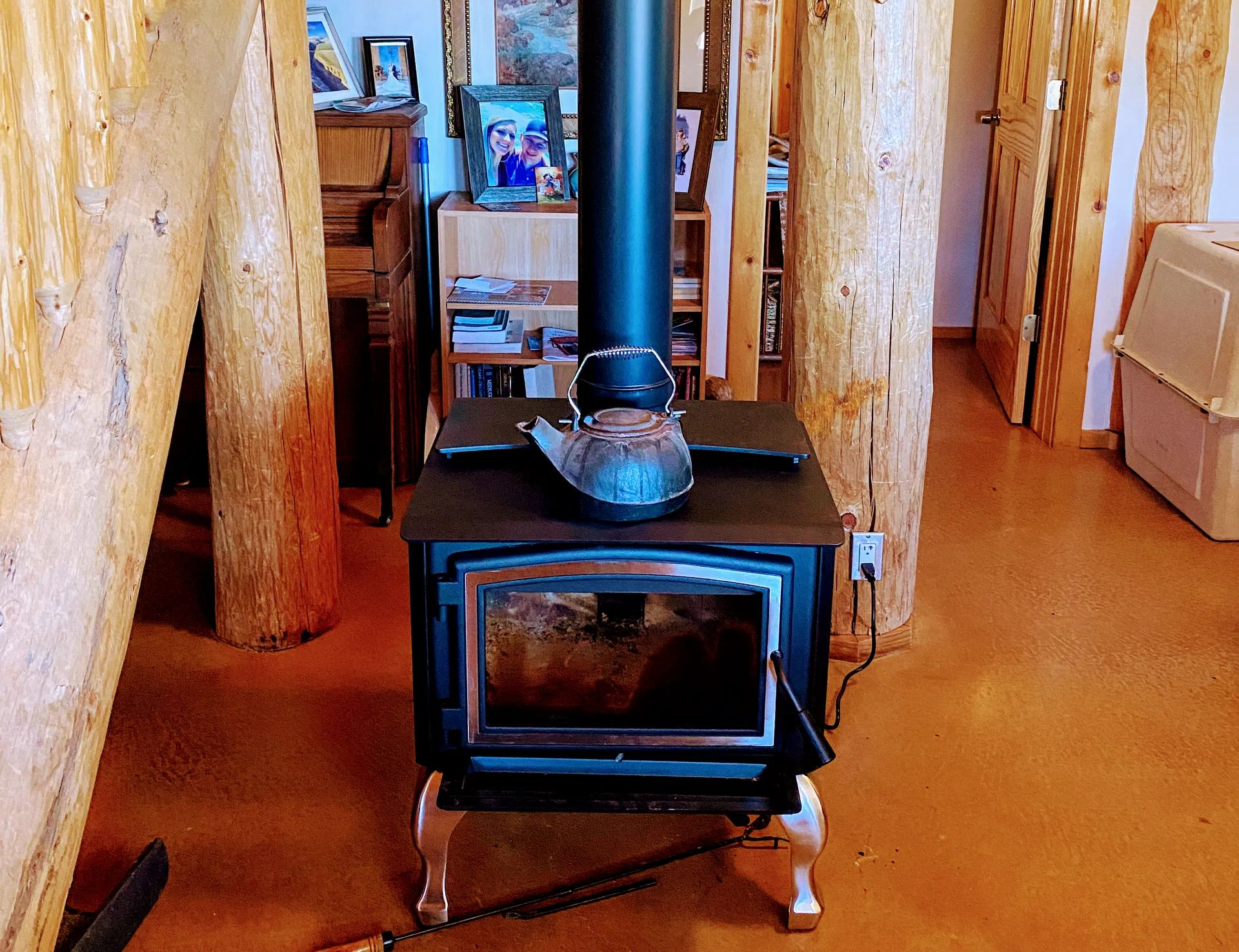
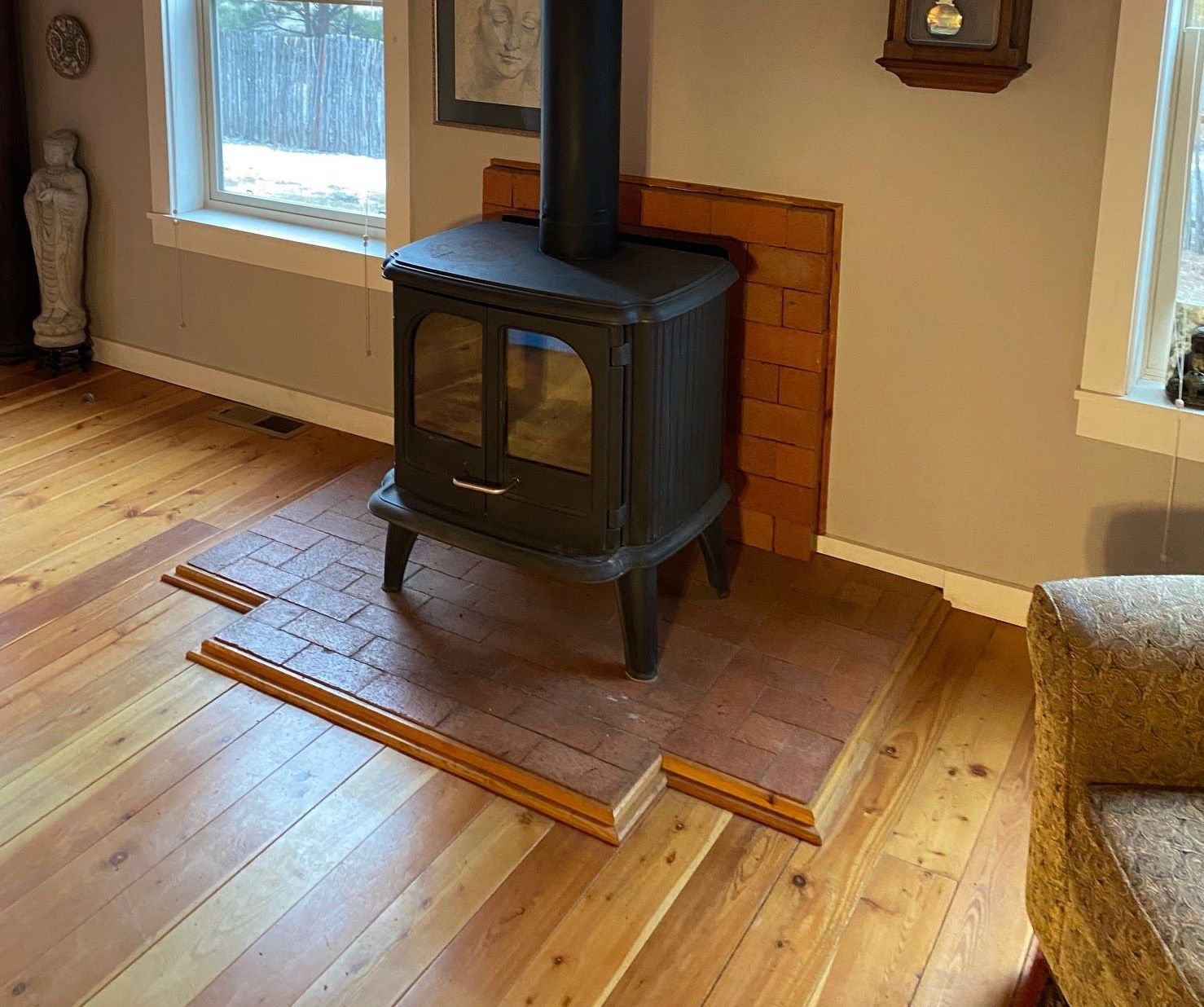
Wood stoves burn logs to produce heat, typically radiating warmth directly into the room. Modern wood stoves are designed with high-efficiency combustion technology, which allows them to burn wood more completely while reducing smoke emissions. They are often made of cast iron or steel and can range in size, heat output, and aesthetic design. The heat is primarily radiant, meaning it warms objects and people in its immediate vicinity, providing a cozy and traditional atmosphere.
Benefits of Wood Stoves
One of the most significant advantages of wood stoves is their ability to generate high heat quickly. A single fire can warm a room efficiently, making it an ideal solution for areas that experience extremely cold winters. Wood is often locally available and can be a cost-effective fuel source for many homeowners. Additionally, wood stoves require no electricity to operate, which can be a significant advantage during power outages. The visual appeal of a roaring fire also adds a rustic charm to a home, enhancing both comfort and ambiance.
Challenges and Considerations
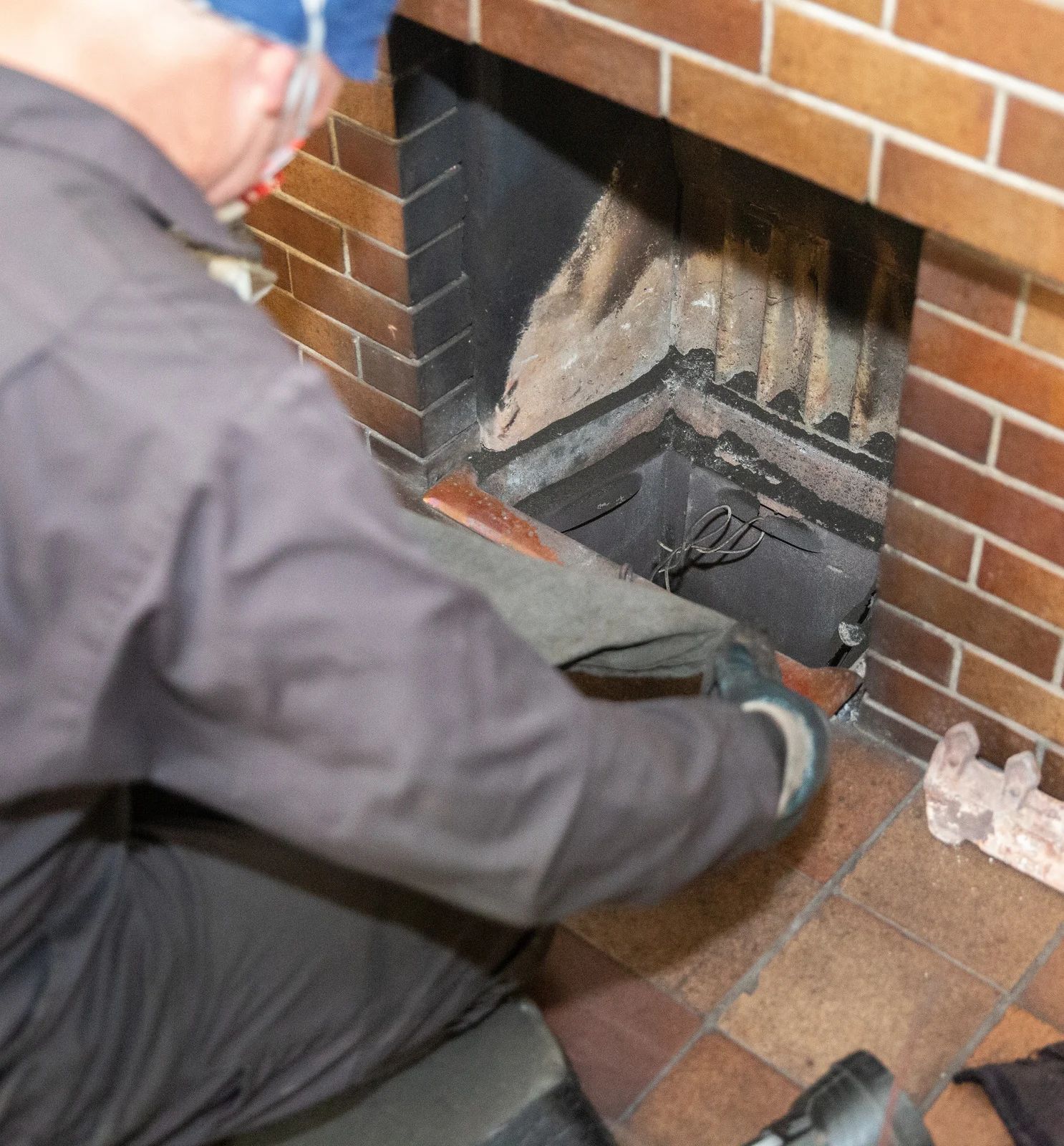
Wood stoves require regular maintenance, including cleaning ash and ensuring the chimney is free of creosote buildup. Improper maintenance can lead to fire hazards or inefficient burning. Sourcing quality firewood and ensuring it is properly seasoned can also be a challenge. Homeowners must plan for storage space for wood and be prepared for manual labor when feeding and managing fires. While wood stoves are highly efficient, their heat distribution is limited, often requiring supplemental heating for larger or multi-story homes.
Understanding Pellet Stoves
How Pellet Stoves Work
Pellet stoves operate by burning small, compressed wood pellets made from sawdust, wood chips, or other biomass materials. Unlike traditional wood stoves, pellet stoves use an automated feed system that delivers pellets into a burn pot, maintaining a consistent flame without the need for constant attention. Many pellet stoves also include fans that circulate warm air throughout the room, improving heat distribution compared to the radiant heat of wood stoves.
Benefits of Pellet Stoves
The primary advantage of pellet stoves is convenience. The automated feeding system allows for longer burn times with minimal intervention, making them ideal for homeowners who want consistent heat without constant maintenance. Pellet fuel is uniform, burns cleanly, and produces less ash and smoke than traditional wood, which reduces chimney maintenance and air pollution. Additionally, pellet stoves offer precise temperature control, often with programmable thermostats, making it easier to manage indoor comfort efficiently.
Challenges and Considerations
Pellet stoves rely on electricity to operate the feed system and fans, which can be a limitation during power outages unless backup systems are available. Pellet fuel costs may be higher than locally sourced firewood, and availability can vary by region. Storage is also essential, as pellets must remain dry to maintain burn quality. While maintenance is less frequent than wood stoves, pellet stoves still require regular cleaning of the burn pot and ash collection areas, as well as periodic inspection of mechanical components.
Efficiency and Environmental Impact
Energy Efficiency Comparison
Wood stoves and pellet stoves differ significantly in efficiency. Modern wood stoves typically achieve efficiency rates of 60% to 80%, depending on design and proper use. Pellet stoves, however, often exceed 80% efficiency due to their controlled feed and combustion systems. High efficiency means more heat is extracted from each unit of fuel, reducing waste and lowering overall heating costs.
Environmental Considerations
Both wood and pellet stoves are considered renewable heating options, but their environmental impacts vary. Wood stoves can produce more particulate emissions and smoke if burning unseasoned or improper wood, contributing to local air pollution. Pellet stoves generally burn cleaner, emitting fewer particulates and greenhouse gases. Choosing sustainably sourced pellets or wood can further reduce the environmental footprint. Homeowners concerned about air quality or environmental sustainability may prefer pellet stoves for their cleaner, more controlled combustion.
Real-World Scenarios
In rural areas with access to abundant firewood, wood stoves may provide a cost-effective and eco-friendly solution. In suburban or urban settings where smoke restrictions apply, pellet stoves are often a better choice due to cleaner emissions and easier compliance with local regulations. Understanding your local climate, fuel availability, and emission guidelines is critical when evaluating environmental impact and operational efficiency.
Cost Analysis
Initial Purchase and Installation Costs
Wood stoves can have lower upfront costs, with basic models available at affordable prices. Installation typically requires a proper hearth, chimney, and ventilation, which can increase total costs depending on existing home infrastructure. Pellet stoves are generally more expensive to purchase and install, partly due to the need for electrical connections, fans, and automated feeding systems.
Fuel Costs
The cost of heating with wood depends on local wood prices and whether homeowners harvest their own supply. Pellet prices can fluctuate seasonally but tend to be more predictable, and pellets are often sold in standardized bags for easier storage and use. Over time, operational costs will depend on fuel efficiency, energy prices, and heating needs.
Maintenance Expenses
Both stove types require maintenance to ensure safety and efficiency. Wood stoves demand frequent ash removal and chimney cleaning, while pellet stoves require less frequent cleaning but involve mechanical maintenance for motors and feed systems. Factoring in both labor and material costs is essential when evaluating long-term expenses.
Cost-Benefit Summary
Choosing the most cost-effective solution depends on your priorities: If low initial investment and high heat output per fire are key, wood stoves may be ideal. If convenience, cleaner combustion, and programmable heating are priorities, pellet stoves provide long-term value despite higher upfront costs.
Convenience and Lifestyle Considerations
Daily Operation and User Experience
Wood stoves require hands-on attention, including stacking wood, starting fires, and feeding logs. For some homeowners, this labor-intensive process is part of the appeal, offering a traditional, rustic experience. Pellet stoves, in contrast, require minimal daily effort. Filling the hopper and setting the thermostat are often the only steps needed to maintain consistent warmth.
Home Integration and Space Considerations
Wood stoves radiate heat effectively but may require strategic placement for optimal warmth. Pellet stoves use fans to distribute heat more evenly, which can be advantageous for multi-room heating or homes with open floor plans. Both stove types come in various styles, from traditional cast iron to modern designs, allowing integration into different home aesthetics.
Safety Considerations
Both wood and pellet stoves carry fire hazards if not properly installed or maintained. Wood stoves produce higher surface temperatures and more open flames, necessitating careful placement and hearth protection. Pellet stoves reduce direct flame exposure and often include safety features such as automatic shutoff if the unit overheats or malfunctions. Homeowners should assess household needs, family members, and pets when evaluating safety features.
Making the Decision
Factors to Consider
Selecting between a wood stove and a pellet stove requires analyzing multiple factors: budget, maintenance willingness, fuel availability, heating needs, lifestyle preferences, and environmental concerns. Evaluating how each stove aligns with your specific situation will guide you toward the best option.
Expert Recommendations
Heating professionals often suggest wood stoves for homeowners seeking a traditional, off-grid heating solution with high heat output. Pellet stoves are recommended for individuals prioritizing convenience, clean burning, and energy efficiency. Combining a primary heating system with supplemental options may also enhance comfort and reduce fuel costs during extreme cold periods.
Real-Life Decision-Making Scenarios
Consider a family living in a mountainous region with easy access to firewood. A wood stove can be cost-effective and highly reliable for winter months. Conversely, a suburban household with limited outdoor space and smoke restrictions might find a pellet stove ideal for automated, low-maintenance heating. Personal preferences and local circumstances often dictate the final choice.
Important Considerations Before Installing a Heating Stove
Choosing the right heating option between a wood stove and a pellet stove is a decision that blends efficiency, convenience, cost, and lifestyle preferences. Wood stoves offer high heat output, traditional charm, and independence from electricity, making them ideal for homeowners with access to firewood and a preference for hands-on operation. Pellet stoves provide cleaner combustion, automated feeding, and consistent warmth, catering to those who value convenience and precise temperature control. Evaluating efficiency, environmental impact, maintenance requirements, and operational costs is essential to select the heating solution that best fits your household.
Shawn's Chimney Sweep & Stove Company
in Santa Fe, New Mexico, brings 40
years of expert experience to help homeowners navigate these choices confidently. Our team specializes in the installation, maintenance, and servicing of both wood and pellet stoves, ensuring optimal performance and safety. Trusted by generations, we provide tailored guidance to match your home’s heating needs with the right stove solution. With our proven expertise, reliable service, and dedication to customer satisfaction, you can enjoy efficient, safe, and comfortable warmth all winter long.