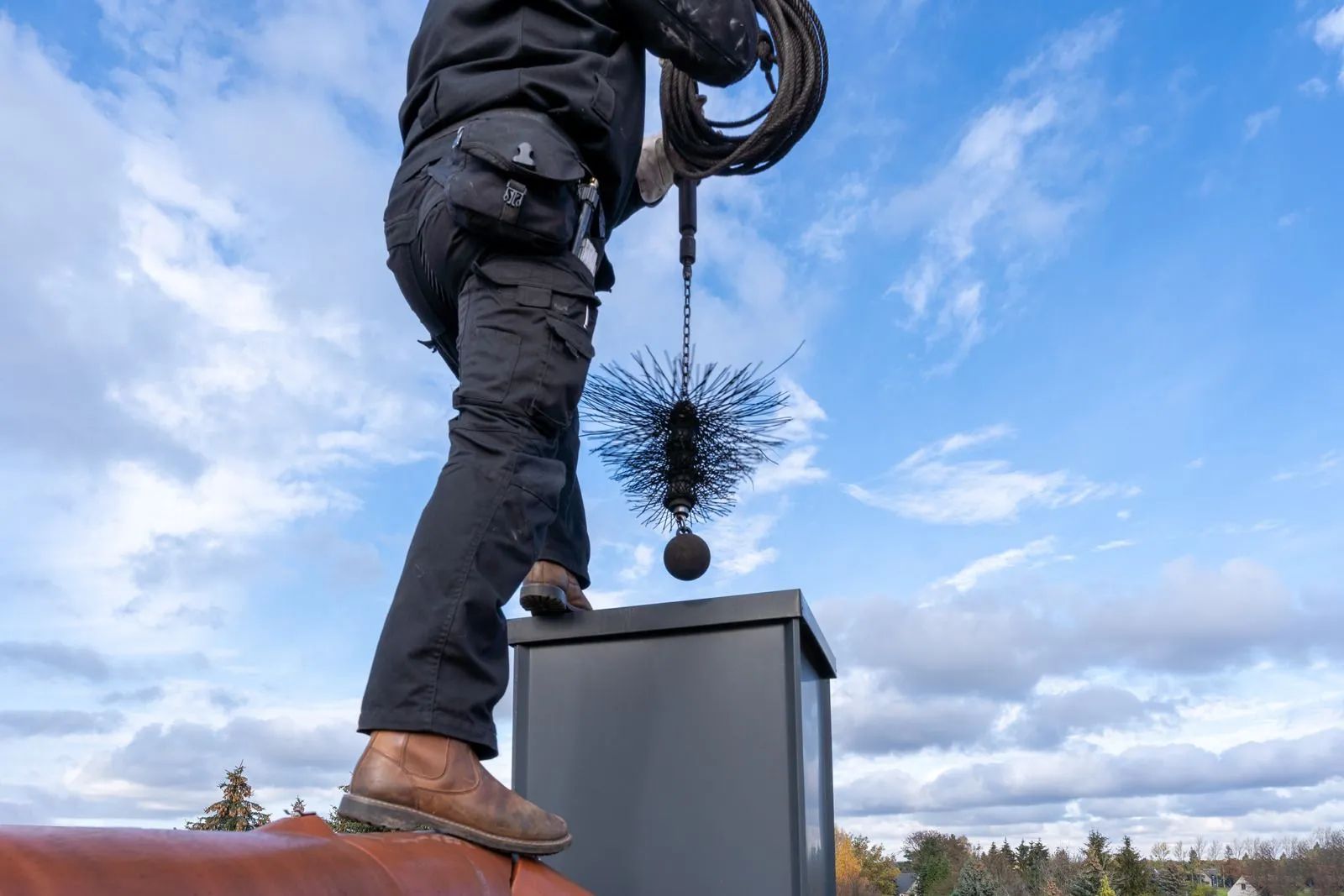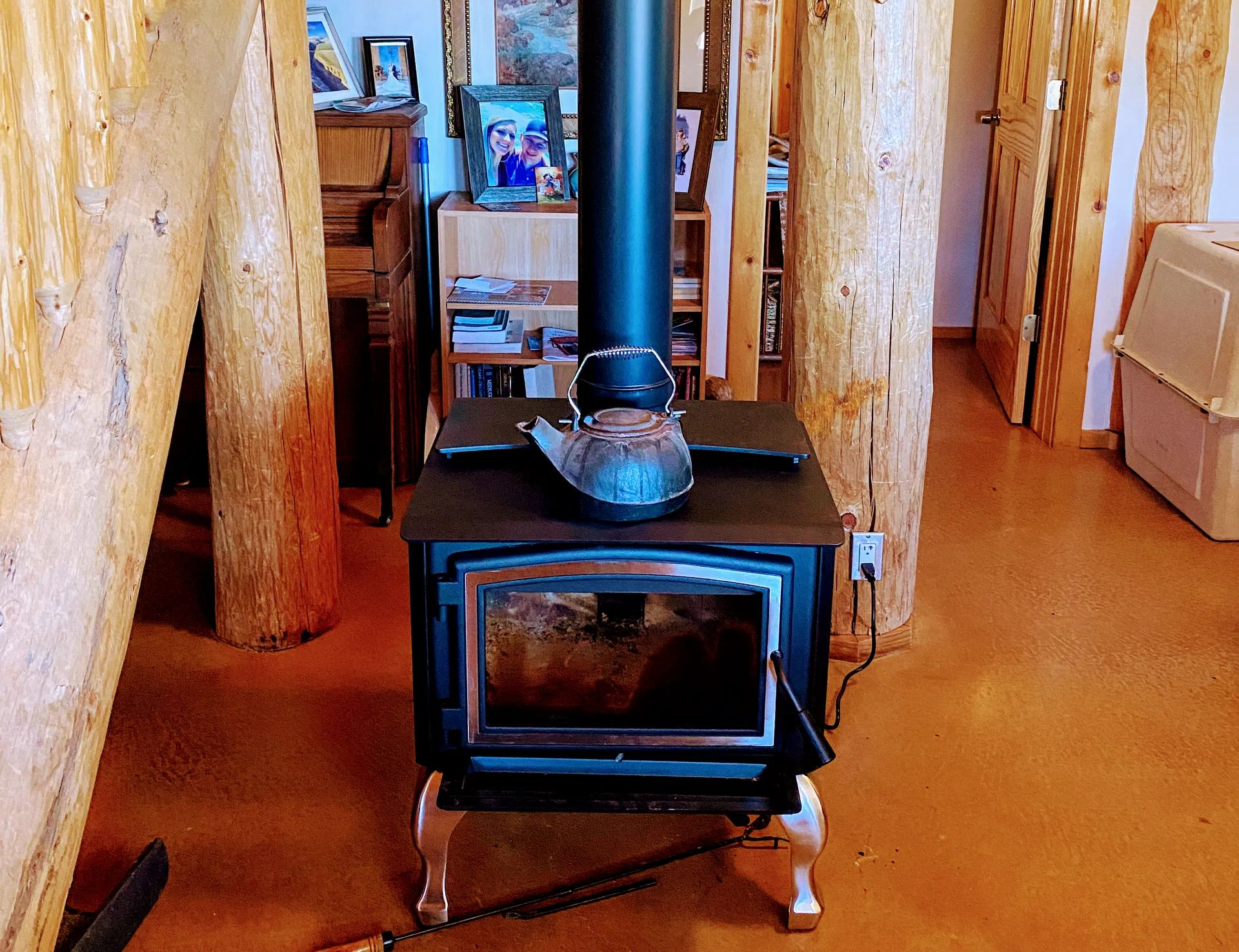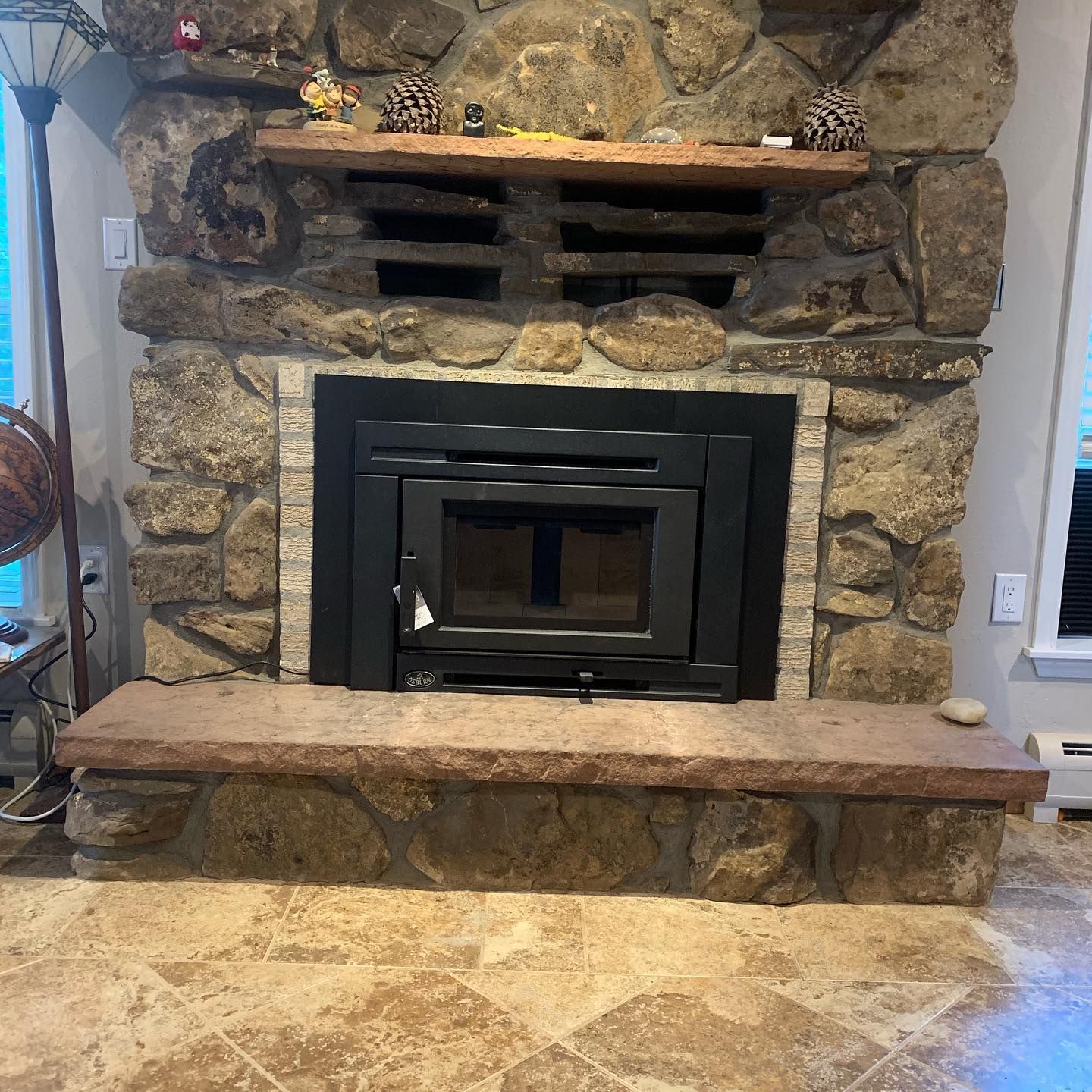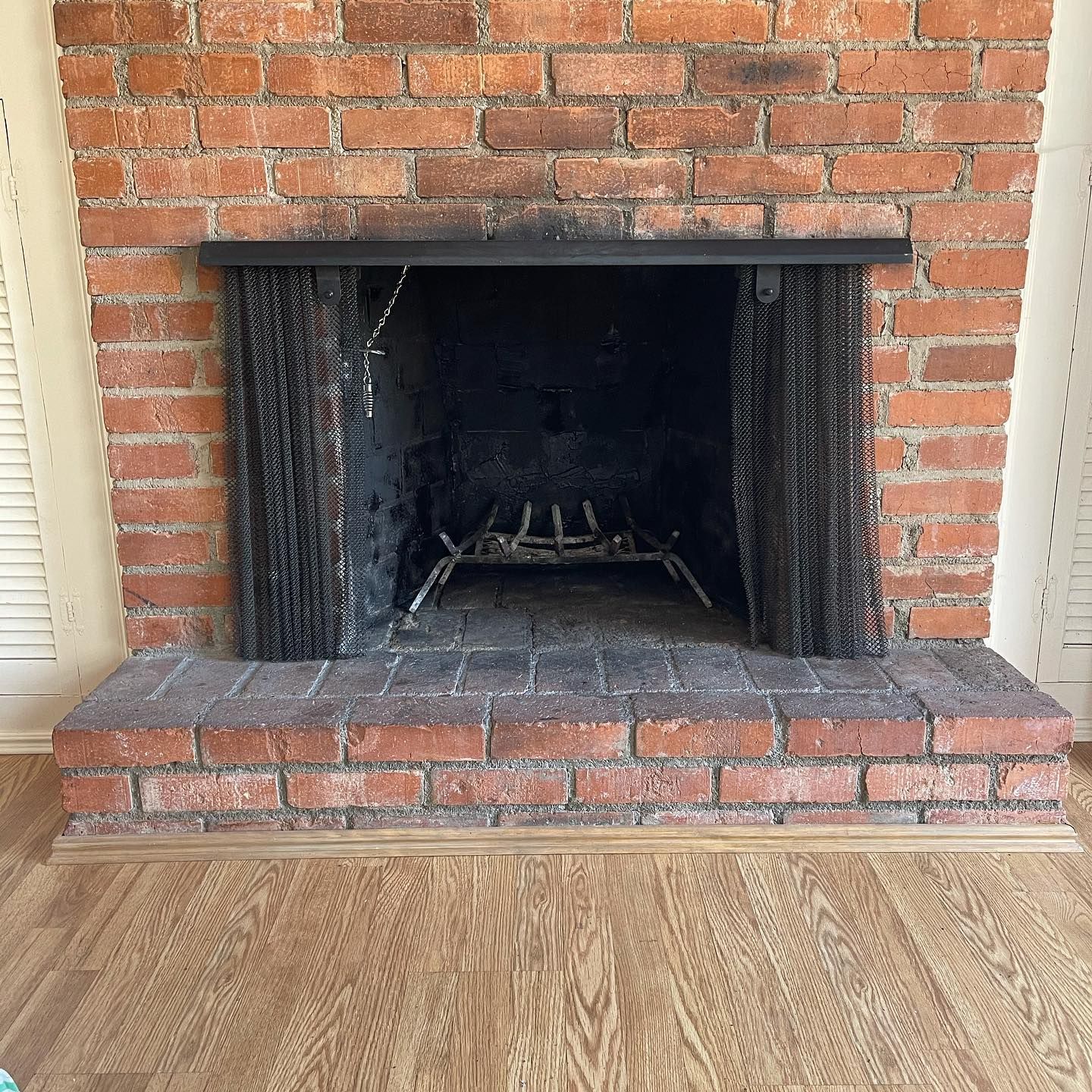
The Top Reasons You Should Schedule a Chimney Inspection Annually
1. Preventing Chimney Fires
Understanding the Risk
Chimney fires are a leading cause of house fires in homes with fireplaces or wood-burning stoves. They occur when creosote—a highly flammable substance formed from burning wood—accumulates inside the chimney flue. Even a thin layer of creosote can ignite at high temperatures, causing a fire that may spread to the home’s structure.
Real-World Example
Consider a homeowner who hasn’t had a chimney inspection in several years. Over time, layers of creosote build up undetected. One winter evening, after lighting a fireplace, the creosote ignites, resulting in a destructive chimney fire. Annual inspections could have identified this buildup early, allowing for professional cleaning and prevention.
Best Practices
- Schedule an inspection at least once a year, preferably before the heating season begins.
- Ensure the inspection includes a detailed assessment of the flue lining and firebox.
- Remove any creosote or soot deposits professionally to minimize fire risk.
2. Maintaining Structural Integrity
The Importance of Chimney Health
A chimney is exposed to constant heat, moisture, and weather conditions, which can weaken bricks, mortar, and flue liners over time. Cracks, gaps, or deteriorating materials not only compromise performance but also pose safety hazards, including carbon monoxide leaks and falling masonry.
Indicators of Structural Issues
- Cracked or crumbling bricks
- Loose or missing mortar
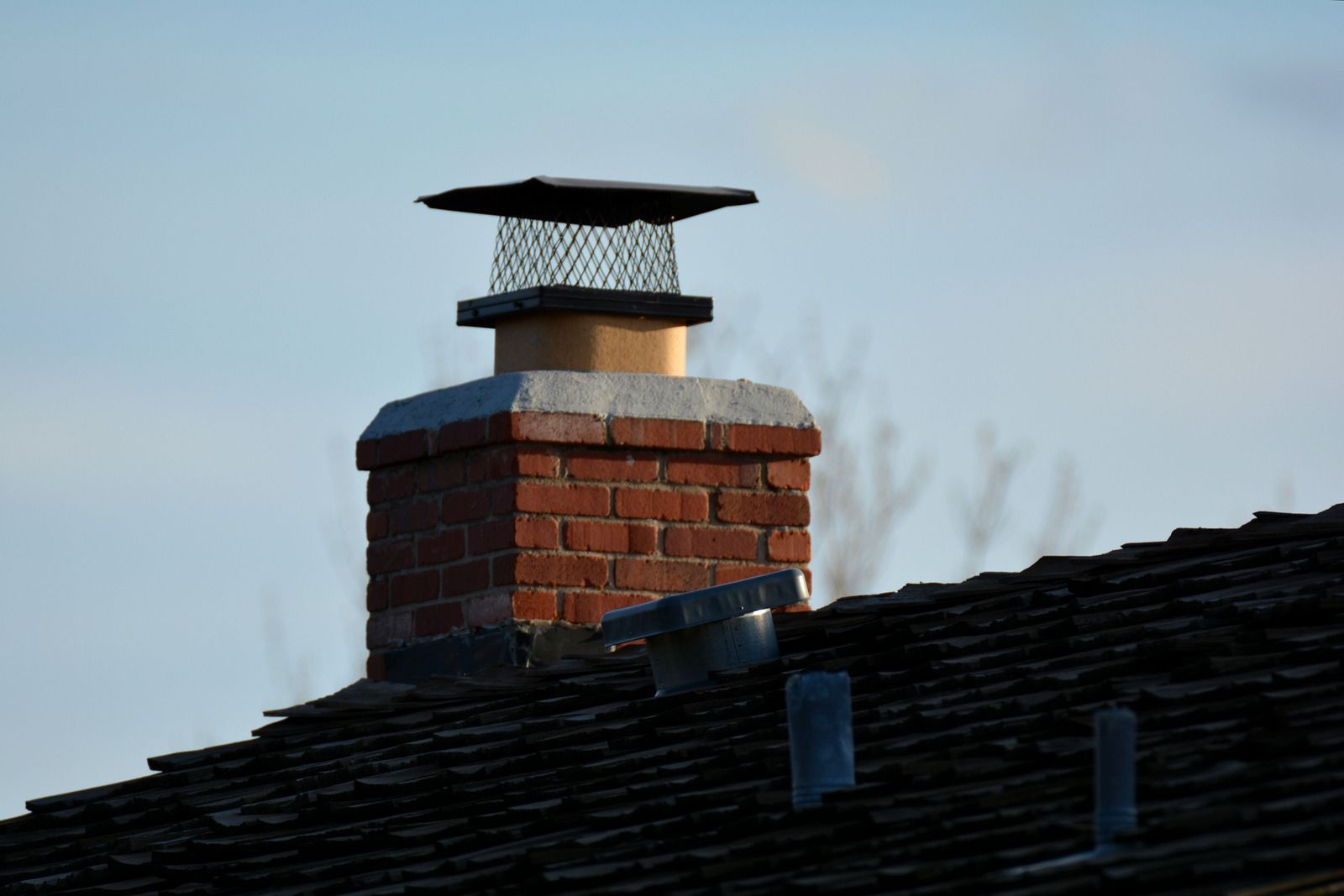
- Rusted or damaged chimney caps
- Uneven or leaning chimney structure
Preventive Measures
Annual inspections allow professionals to spot these problems early. Repairs, such as tuckpointing or flue relining, can be scheduled proactively, preventing small issues from escalating into costly structural damage. Regular inspections also ensure that the chimney cap and flashing are intact, preventing water infiltration that accelerates deterioration.
3. Improving Air Quality and Ventilation
Understanding Chimney Blockages
A blocked chimney can lead to poor air circulation, resulting in smoke backdrafts, soot accumulation, and dangerous carbon monoxide exposure. Animals, debris, or creosote can obstruct airflow, making heating systems inefficient and hazardous.
Health and Comfort Benefits
Blocked chimneys reduce the efficiency of fireplaces and wood stoves, causing smoke to linger indoors. This can aggravate respiratory conditions, trigger allergies, and create an unpleasant living environment. Annual inspections ensure unobstructed flues, providing safer, cleaner, and more comfortable indoor air quality.
Actionable Tips
- Inspect the chimney crown and cap to prevent debris or animals from entering.
- Ensure flue liners are free from cracks and buildup.
- Maintain smoke detectors and carbon monoxide detectors to complement chimney safety efforts.
4. Enhancing Heating Efficiency
How Chimney Condition Affects Heating
A well-maintained chimney allows optimal airflow, improving combustion efficiency for fireplaces and wood stoves. Conversely, blockages, cracks, or soot buildup can restrict airflow, reduce heat output, and increase fuel consumption.
Energy and Cost Savings
Homeowners often underestimate how much efficiency is lost due to neglected chimneys. For instance, a blocked or partially obstructed flue forces the stove to work harder, consuming more wood or fuel while generating less heat. Annual inspections help maintain airflow, optimize heating efficiency, and reduce energy costs over time.
Expert Recommendations
- Schedule inspections before heavy usage seasons.
- Include flue cleaning in the inspection to remove soot and creosote.
- Ensure dampers function properly to regulate airflow effectively.
5. Identifying Hidden Damage
Why Hidden Damage Matters
Not all chimney issues are visible from the exterior or easily detected by homeowners. Damage such as small cracks in the flue liner, hidden water intrusion, or corrosion in metal components can progress unnoticed, eventually leading to significant repair costs or safety hazards.
Examples of Hidden Problems
- Hairline cracks in the flue liner that compromise safety
- Corrosion of metal chimney components
- Moisture infiltration causing mold or weakened masonry
The Value of Professional Inspections
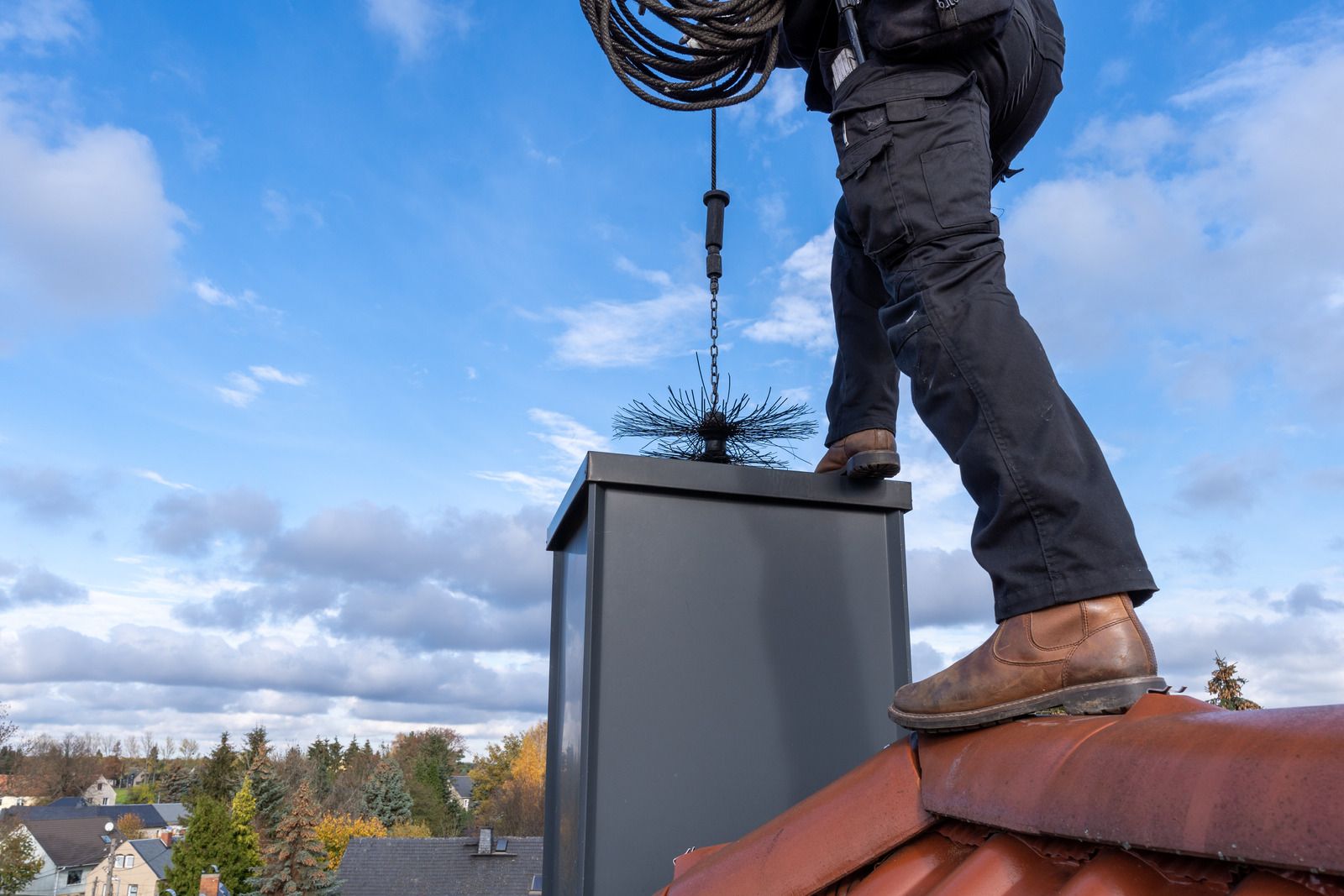
Certified chimney professionals use specialized tools, such as video cameras and flue probes, to detect hidden damage that might otherwise go unnoticed. Early detection allows for targeted repairs, protecting the home and preventing emergency situations.
6. Ensuring Compliance and Insurance Coverage
Regulatory and Insurance Considerations
Many insurance policies and local building codes require annual chimney inspections, especially for homes with active fireplaces or wood-burning appliances. Failing to comply can result in denied claims if fire or damage occurs.
Benefits of Compliance
- Meets insurance requirements and protects coverage eligibility
- Demonstrates proactive maintenance in case of claims
- Ensures adherence to local building codes and safety standards
Best Practices
- Retain inspection reports for insurance documentation
- Schedule inspections before heating season to align with policy guidelines
- Work with certified professionals to ensure inspections meet industry standards
7. Preparing for Seasonal Use
Timing is Everything
Winter months typically see the highest usage of fireplaces and wood stoves. Preparing the chimney in advance prevents interruptions during peak heating periods. Annual inspections should be scheduled before heavy seasonal use to catch issues early.
Benefits of Pre-Season Inspection
- Reduces emergency repair risks during cold weather
- Ensures reliable, safe heating when temperatures drop
- Allows for planned maintenance instead of reactive repairs
Practical Advice
- Schedule inspections in late summer or early fall
- Include cleaning, damper checks, and flue evaluation in the inspection
- Confirm all components, including chimney caps and spark guards, are in optimal condition
8. Protecting Your Investment
Chimney as Part of Home Value
A chimney is a significant component of your home’s structure and heating system. Neglecting it can lead to expensive repairs, reduced efficiency, and safety hazards that diminish property value.
Long-Term Advantages
Regular inspections extend the lifespan of your chimney, prevent costly emergency repairs, and maintain optimal heating performance. Investing in preventive maintenance now safeguards your home, reduces liability, and preserves overall value.
Expert Recommendations
- Treat annual chimney inspections as essential home maintenance
- Pair inspections with cleaning and minor repairs for maximum effectiveness
- Consult certified professionals for guidance on preserving your chimney’s longevity
9. Extending the Lifespan of Your Chimney
Preventing Premature Wear
Regular inspections identify minor issues, such as small cracks or mortar deterioration, before they worsen. Timely repairs reduce long-term damage and preserve the chimney’s structural integrity.
Cost-Effective Maintenance
By addressing problems early, homeowners can avoid expensive emergency repairs or full chimney replacements, making annual inspections a smart financial choice.
Expert Recommendations – Extending Lifespan Section
- Schedule inspections before heavy seasonal use to catch minor wear early.
- Address small repairs promptly to prevent long-term structural damage.
- Use certified professionals for guidance on maintaining chimney durability and efficiency.
10. Protecting Your Home from Water Damage
The Risk of Moisture Intrusion
Chimneys are exposed to rain, snow, and ice, which can penetrate cracks and damaged flashing. Moisture can lead to mold, rotting wood, or weakened masonry.
Inspection and Prevention
Annual inspections allow professionals to check for leaks, damaged flashing, and crown deterioration, ensuring water is properly diverted away and the chimney remains dry and functional.
Expert Recommendations – Water Damage Section
- Check flashing and crown annually to prevent leaks and moisture buildup.
- Seal minor cracks immediately to avoid water infiltration.
- Hire certified chimney experts to ensure proper protection from water damage.
Scheduling annual chimney inspections is a proactive step that protects your family, home, and investment. By preventing fires, maintaining structural integrity, ensuring air quality, and optimizing heating efficiency, homeowners can enjoy safe and comfortable living spaces year-round. Professional inspections provide critical insights that are often invisible to the untrained eye, addressing hidden damage, regulatory compliance, and seasonal preparation. These inspections are not merely routine; they are essential for long-term safety, efficiency, and peace of mind.
Maximizing Chimney Efficiency with Routine Professional Inspections
Annual chimney inspections are a small investment with significant returns in safety, efficiency, and home preservation. From preventing chimney fires and ensuring proper ventilation to identifying hidden damage and maintaining heating performance, inspections provide actionable insights that protect both your family and property. Ignoring chimney maintenance can lead to costly repairs, reduced efficiency, and dangerous hazards, while regular inspections ensure peace of mind and proactive problem-solving.
For homeowners in Santa Fe, New Mexico, Shawn's Chimney Sweep & Stove Company
offers over 40
years of trusted expertise in chimney care and maintenance. Our team provides comprehensive inspections, professional cleaning, and expert guidance to ensure your chimney functions safely and efficiently. With decades of experience, personalized service, and a commitment to excellence, Shawn's Chimney Sweep & Stove Company
is a reliable partner in protecting your home. Schedule an inspection today to safeguard your property, enhance heating efficiency, and enjoy peace of mind all year long.