5 Hidden Dangers of a Dirty Chimney You Can’t Ignore
1. Increased Risk of Chimney Fires
The Science Behind Chimney Fires
A chimney fire is a serious consequence of neglect. Creosote, a byproduct of burning wood, builds up along flue walls over time. This highly combustible substance can ignite if temperatures rise enough, sending flames down the chimney and possibly spreading to the surrounding structure. Even a small spark can trigger a rapid reaction. NFPA reports thousands of chimney fires annually, causing millions in damages.
Real-World Examples
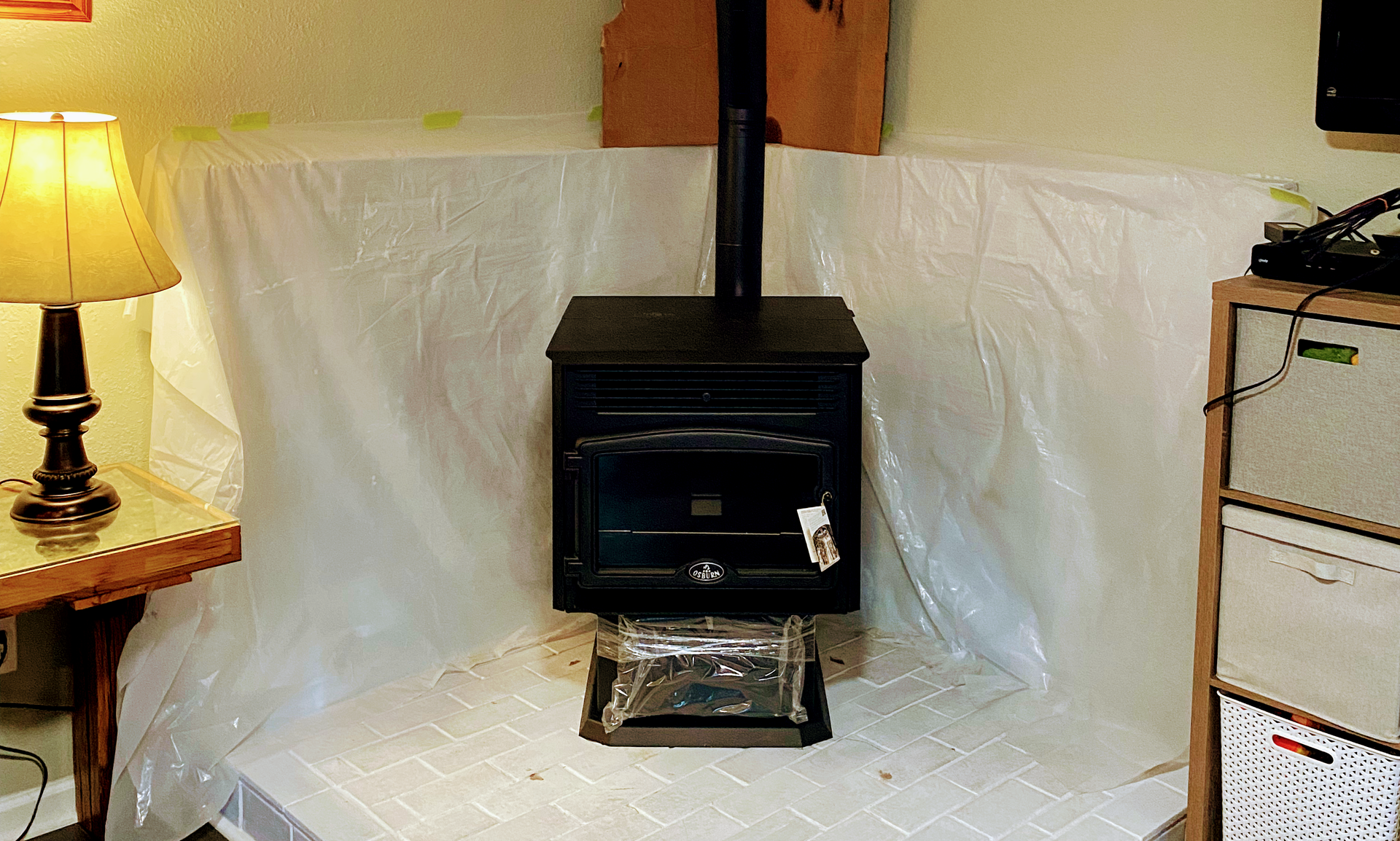
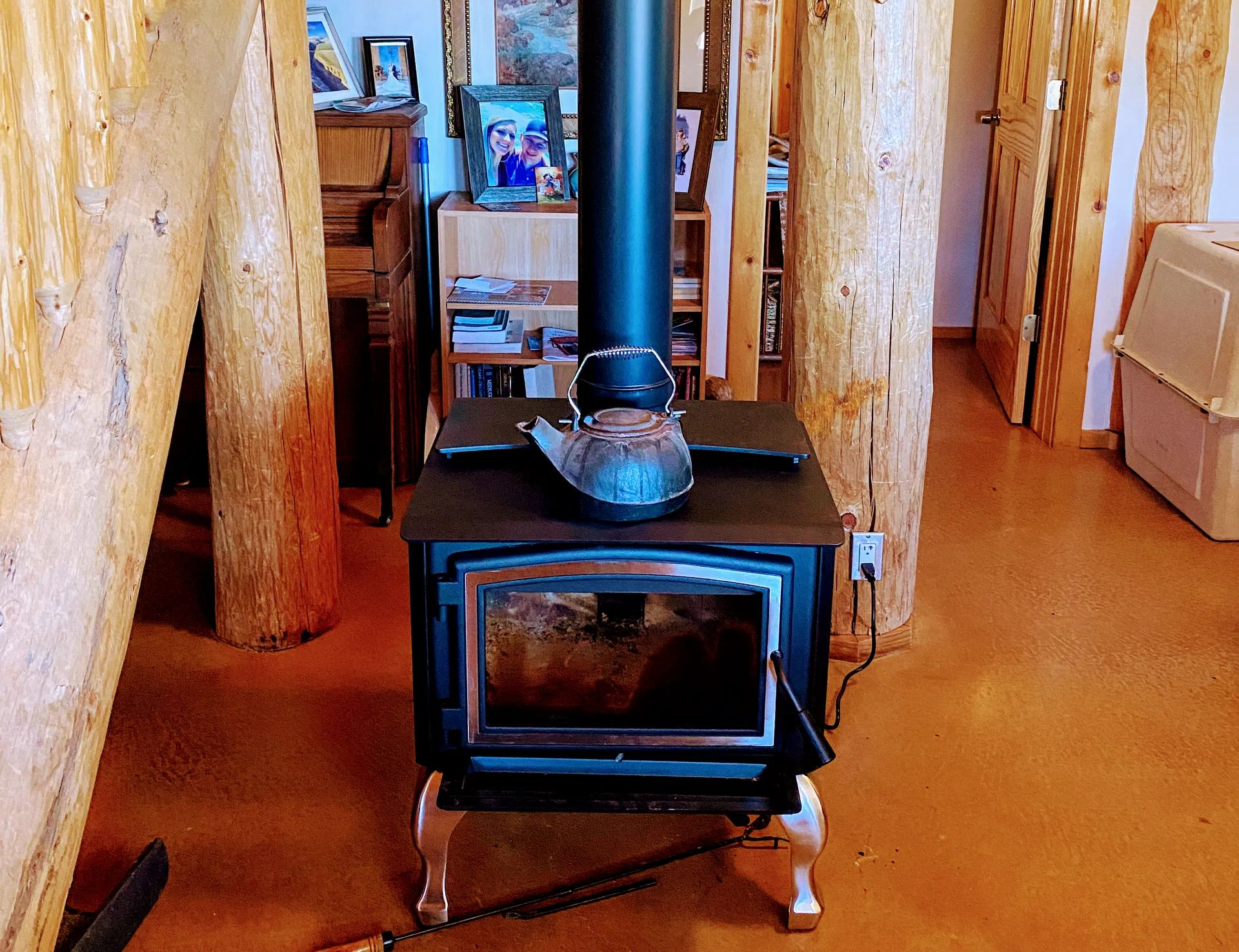
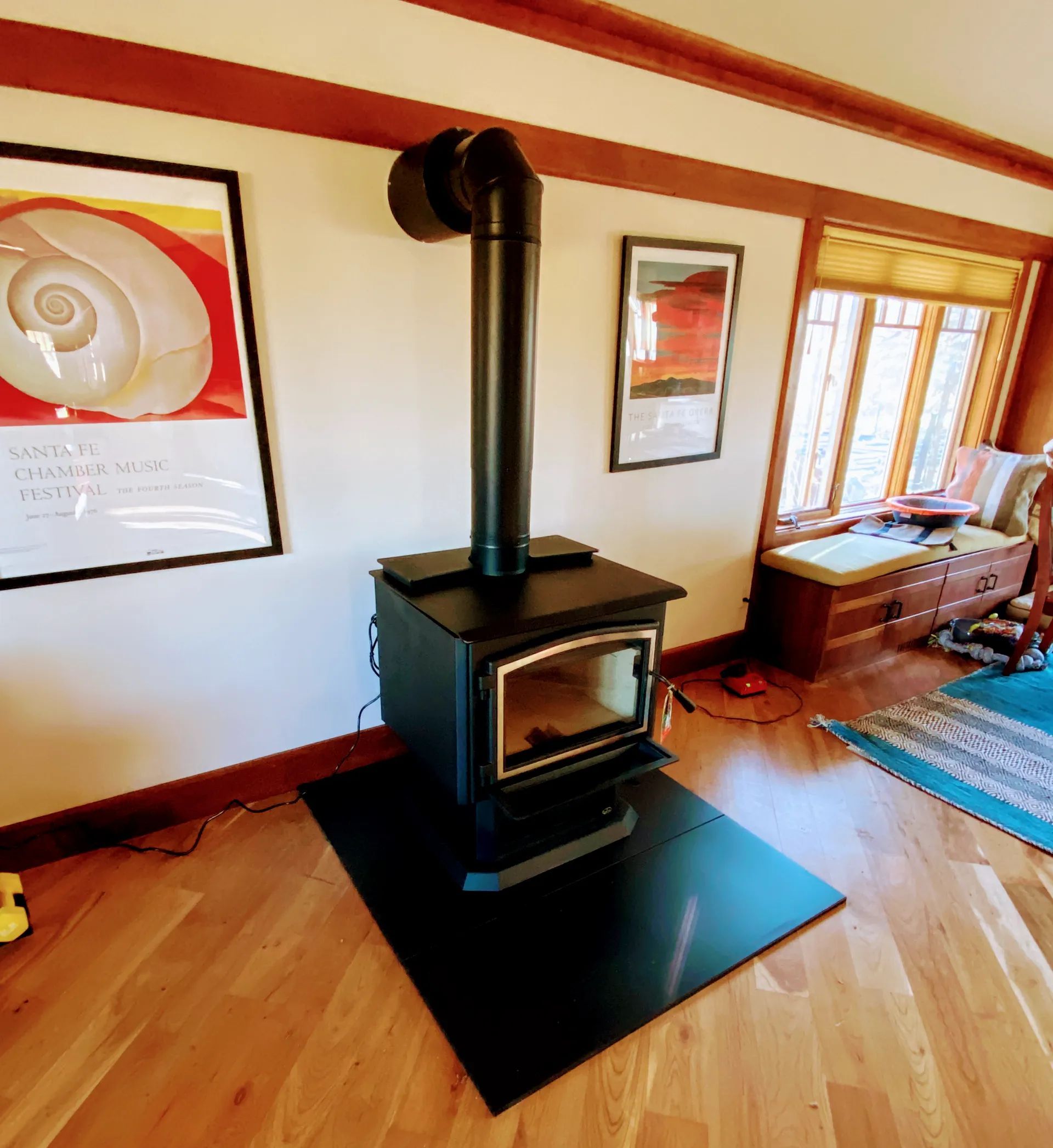
Homeowners using wood stoves daily during winter face high risks. Without regular inspection or sweeping, creosote accumulation can become severe. A sudden spark from burning embers may ignite the buildup, spreading flames to the attic or roof. Many assume fireproof bricks contain the fire, underestimating its speed. Even minor accumulation can escalate quickly, putting both property and residents at immediate danger.
Prevention and Best Practices
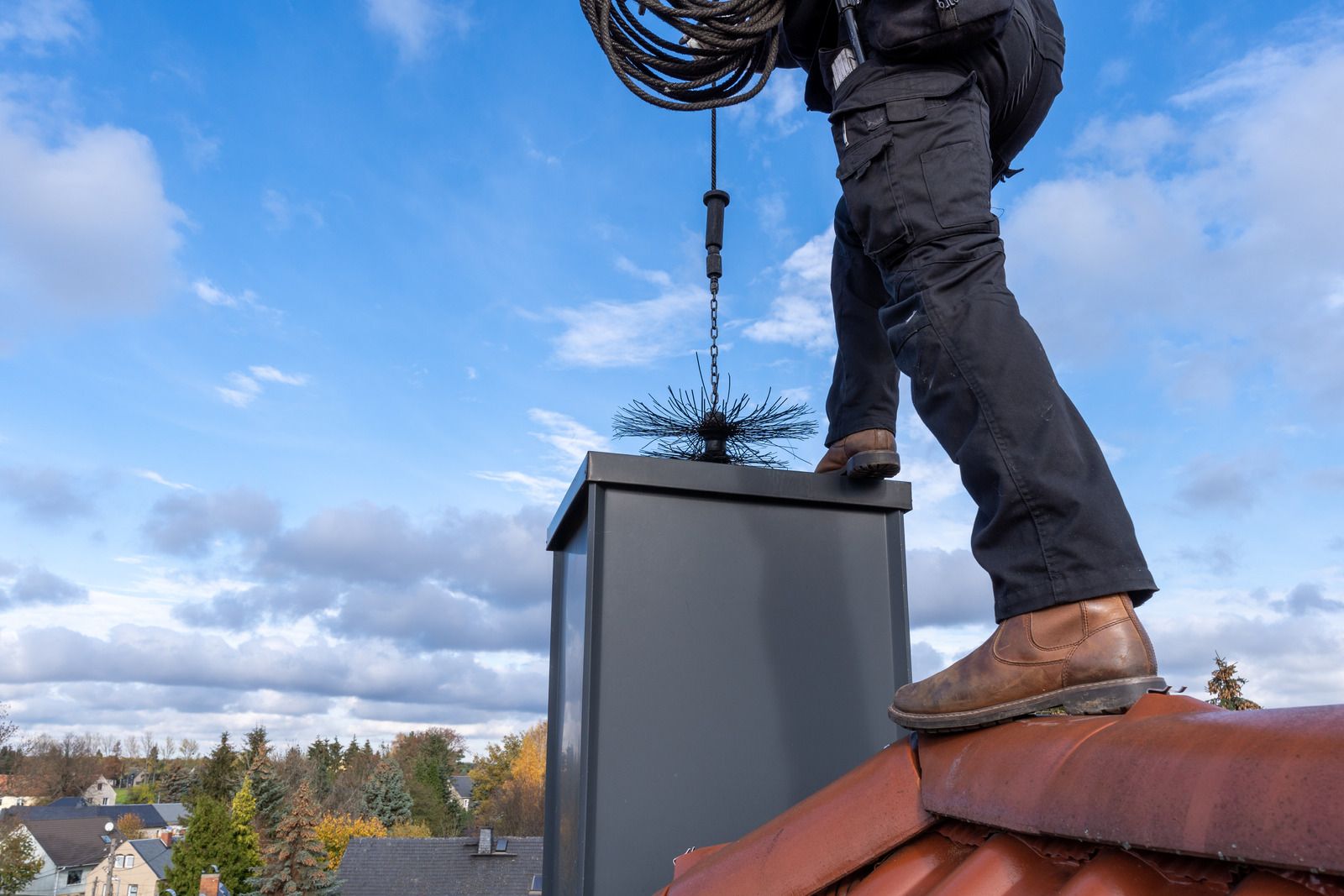
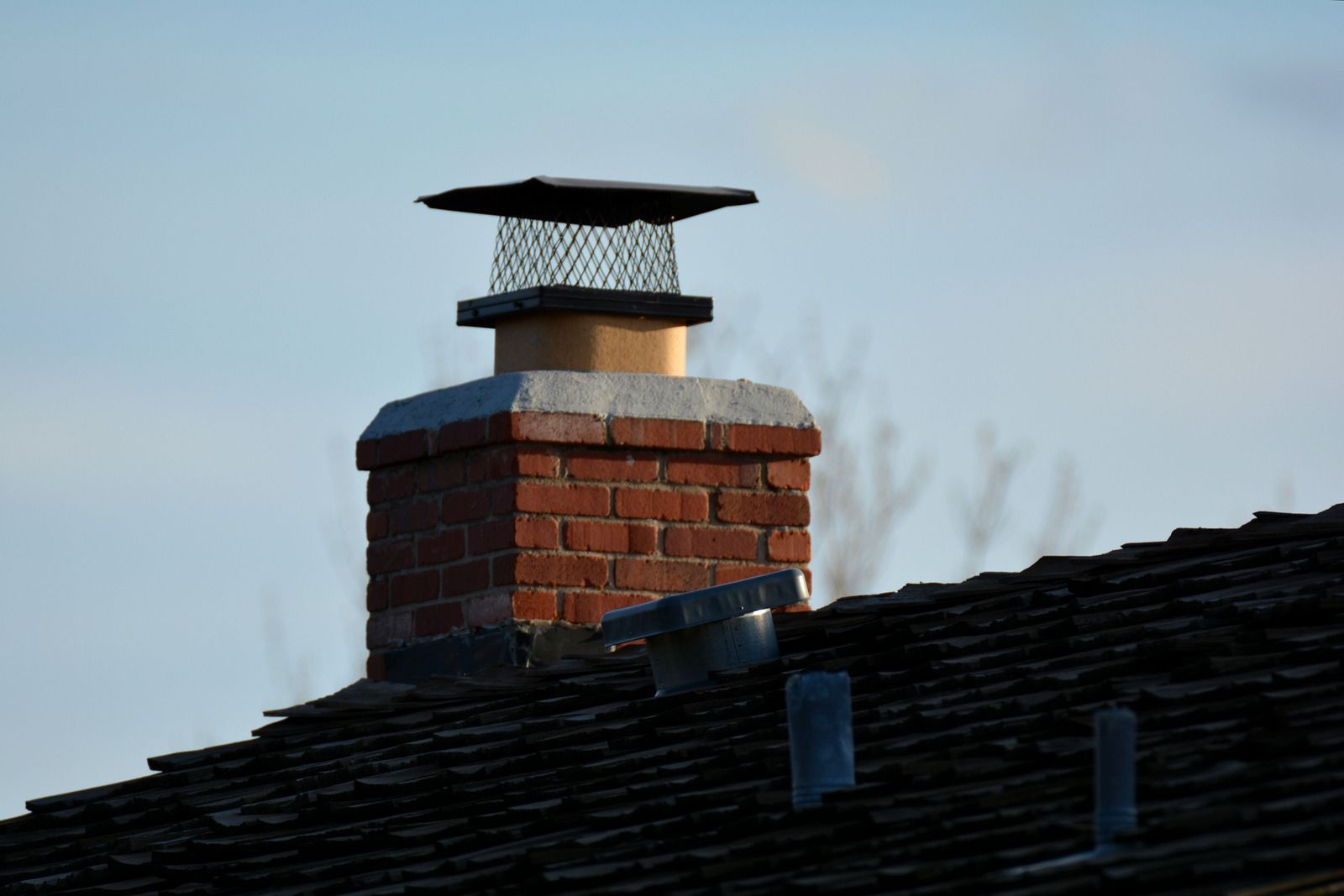
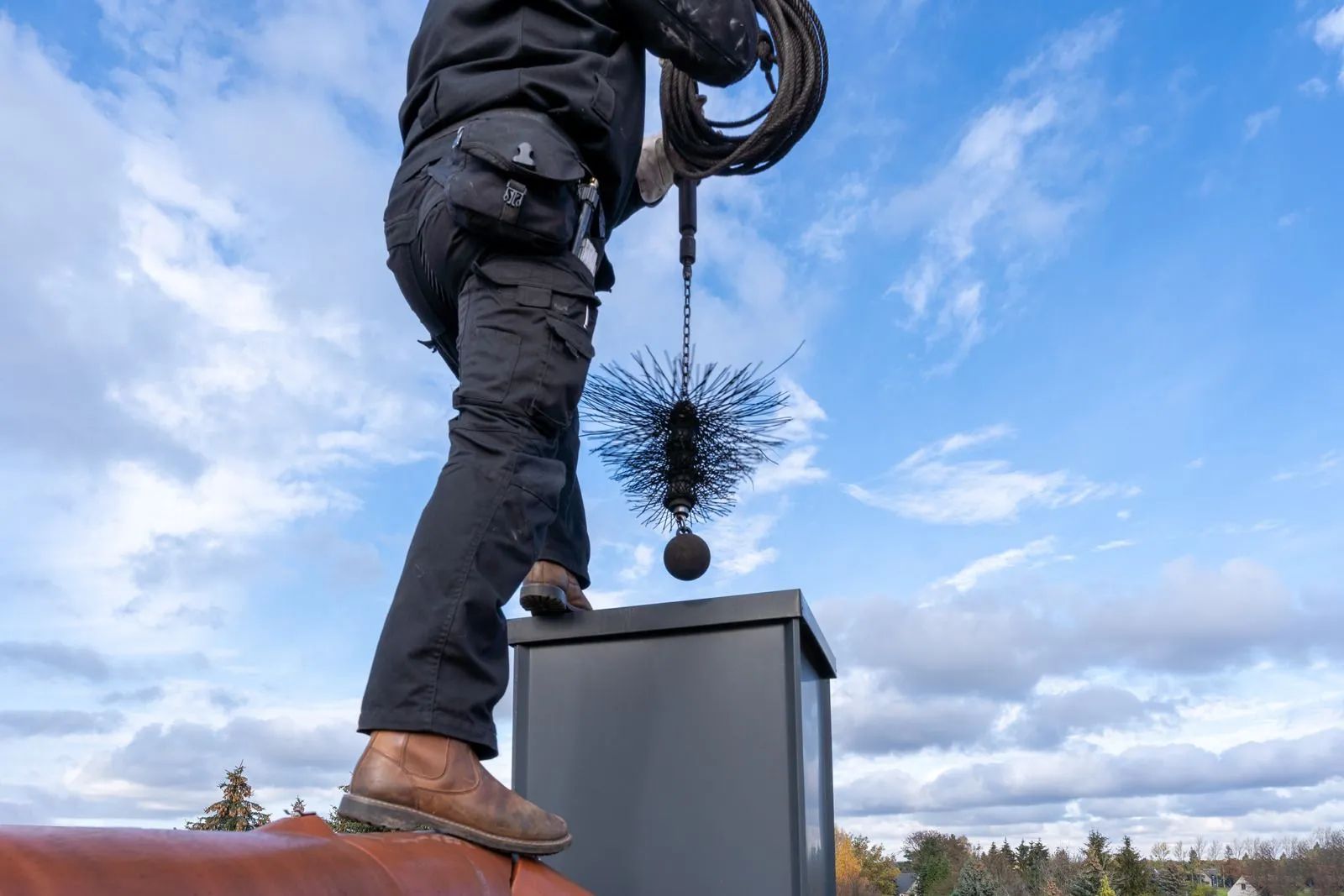
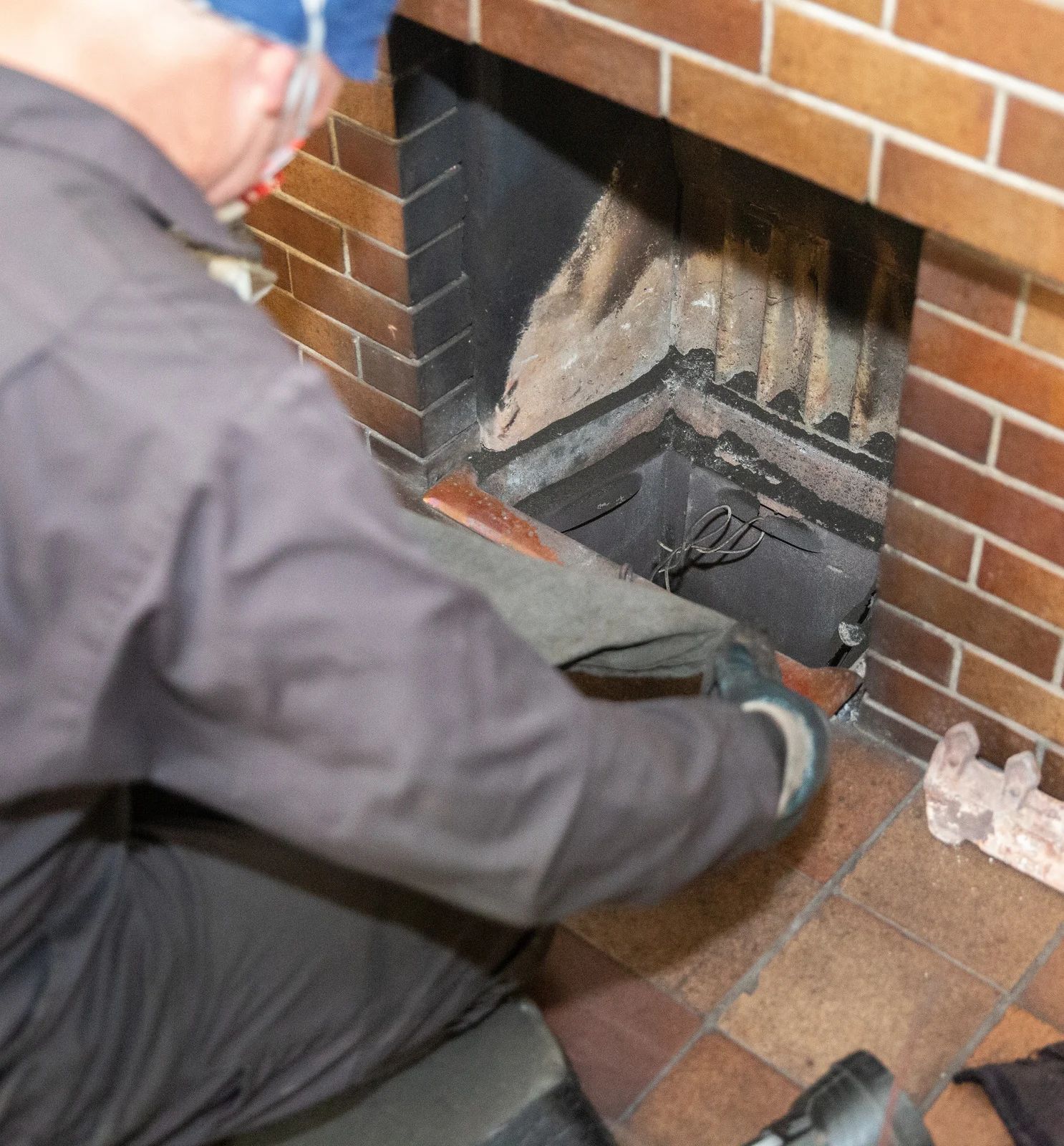
Annual chimney cleaning is essential to reduce fire risk. Experts recommend inspections for all active fireplaces or stoves. Avoid burning wet or resin-rich wood, which accelerates creosote buildup. Installing a chimney cap prevents sparks from escaping and reduces fire spread. Regular maintenance safeguards your home and family. Prioritizing these steps ensures peace of mind, minimizing catastrophic incidents before they can occur.
2. Carbon Monoxide Poisoning
Understanding the Invisible Threat
Carbon monoxide (CO) is an odorless, colorless gas produced by burning fuels such as wood, gas, or coal. A dirty chimney can block normal exhaust flow, forcing CO to accumulate indoors and potentially reach dangerous concentrations. Even low levels can cause headaches, nausea, dizziness, and fatigue. Prolonged exposure may result in unconsciousness or death. Regular chimney maintenance is vital to prevent this silent, potentially fatal hazard.
Real-Life Scenarios
Homes with blocked chimneys often report unexplained illnesses during winter. A family using a fireplace for warmth may experience chronic headaches or fatigue, caused by soot obstructing ventilation. Carbon monoxide infiltrates living spaces silently, often unnoticed until a detector alerts occupants. Such situations demonstrate the danger of ignoring chimney cleanliness. Proper care ensures safe air circulation, protecting everyone in the household from invisible toxins.
Prevention Strategies
Routine chimney inspection and cleaning prevent carbon monoxide accumulation. Flues should remain unobstructed, free from nests, leaves, or soot buildup. Installing CO detectors in bedrooms and living spaces provides early warnings of leaks. Using seasoned wood and proper burning practices reduces CO production. These preventive steps ensure safety, minimizing the risk of exposure while maintaining efficient and clean chimney operation throughout the heating season.
3. Structural Damage to the Chimney
How Dirt Leads to Damage
Accumulated soot, creosote, and moisture can erode chimney materials over time. Neglected chimneys develop cracks, loose bricks, or weakened mortar joints, compromising structural integrity. Water infiltration worsens damage, causing further masonry deterioration. In severe cases, collapse or expensive repairs may follow. Regular care prevents these risks, keeping chimneys safe and structurally sound. Proper attention prolongs the lifespan of the flue and surrounding construction.
Signs of Structural Concerns
Cracks, leaning stacks, or crumbling mortar indicate damage. Smoke entering rooms through gaps suggests compromised integrity. Ignoring such signs can escalate problems and create fire hazards. Homeowners may not notice these symptoms until serious consequences occur. Early identification through inspection prevents costly repairs, preserves structural stability, and maintains safe operation. Professional assessment ensures chimneys continue functioning efficiently and safely over time.
Best Practices
Certified chimney professionals identify weaknesses early through regular inspections. Repointing mortar joints, repairing cracks, and installing liners restore durability. Preventive maintenance extends chimney lifespan and protects overall home stability. Addressing issues before they escalate reduces risk of fire, structural collapse, or costly reconstruction. Homeowners benefit from professional expertise to maintain chimney safety, efficiency, and performance season after season.
4. Health Hazards from Soot and Debris
Respiratory Risks
Soot and debris from dirty chimneys can enter living areas, especially with cracks or poor seals. Inhaling these particles causes respiratory irritation, worsens asthma, and triggers lung conditions. Vulnerable groups, such as children, elderly members, or people with preexisting respiratory issues, face higher risk. Maintaining a clean chimney is essential to reduce indoor air pollution and protect household health during fireplace use.
Examples and Consequences
Homes using fireplaces frequently may notice persistent coughing, allergic reactions, or black residue on furniture and walls. Symptoms worsen in colder months when use increases. Chronic exposure to airborne soot can result in long-term health problems. Left unaddressed, indoor air quality deteriorates, affecting occupants’ well-being. Routine cleaning ensures safer air circulation while minimizing adverse health outcomes and maintaining a comfortable living environment.
Mitigation Techniques
Regular sweeping removes soot and debris, ensuring cleaner air indoors. Installing flue liners and sealing cracks prevents particle infiltration. Limiting exposure by keeping doors closed during use and using air purifiers further protects health. These practices reduce respiratory risks while improving indoor comfort. Maintaining chimney cleanliness contributes to long-term well-being for all family members, particularly those most sensitive to airborne contaminants.
5. Pest Infestations
How Chimneys Attract Pests
Dirty chimneys attract birds, squirrels, raccoons, and insects. Nests and droppings block flues and introduce harmful pathogens. Animals may chew wood or insulation, creating fire hazards and structural damage. Neglected chimneys provide shelter for pests, increasing risks to safety, cleanliness, and home integrity. Proactive prevention is critical to avoid infestations and related hazards before they escalate.
Real-World Incidents
A homeowner returning from vacation may unexpectedly find a bird’s nest lodged in the chimney. Using the fireplace without proper removal could ignite debris or release toxic fumes, creating serious hazards. Pest-related blockages are common and often overlooked by many homeowners. Regular inspections reveal infestations early, preventing emergencies and minimizing potential damage. Addressing these issues before seasonal migrations or nesting periods significantly reduces the risk of fire, smoke damage, or health hazards inside the home.
Prevention and Maintenance
Installing chimney caps with mesh guards prevents animal entry while allowing proper ventilation. Professional inspections remove nests, debris, and insects promptly. Homeowners should remain aware of seasonal pest behaviors to reduce infestations proactively. Consistent maintenance safeguards both chimney function and indoor safety. Combining preventive measures with professional care ensures a pest-free, safe, and reliable chimney system year-round.
Professional Chimney Experts Committed to Your Safety
For residents of Santa Fe, New Mexico, Shawn's Chimney Sweep & Stove Company
provides unmatched expertise and peace of mind. With over 40
years of experience, our family-owned business specializes in thorough
chimney inspections, expert cleaning, and comprehensive maintenance services. We prioritize safety, reliability, and personalized customer care, ensuring every home is protected from hidden hazards. Our team uses advanced tools and proven techniques to identify issues before they escalate, offering tailored solutions to meet each homeowner’s specific needs. Trust Shawn's Chimney Sweep & Stove Company
to safeguard your property and keep your family safe while enhancing the efficiency and longevity of your chimney system. Your safety is our business, and our experience speaks for itself.