Gas vs. Wood vs. Pellet Stoves: Which One Fits Your Home Best?
1. Gas Stoves: Convenience and Clean Operation
How Gas Stoves Work
Gas stoves operate using natural gas or propane, offering instant heat with the flick of a switch. Unlike traditional wood stoves, they don’t require manual feeding or ash removal. A gas line connects directly to the unit, allowing for continuous operation and precise temperature control. Many models also include thermostatic settings, remote control options, and programmable timers, making them highly adaptable to daily routines.
Benefits of Gas Stoves
- Ease of Use: One of the most significant advantages is convenience. Users can turn on a gas stove instantly without worrying about fuel preparation.
- Cleanliness: Gas stoves burn cleanly, producing minimal smoke, soot, or ash, which reduces indoor air quality concerns and chimney maintenance.
- Consistent Heating: Unlike wood stoves, gas units maintain steady heat output, preventing temperature fluctuations within living spaces.
Challenges and Considerations
- Fuel Dependence: Gas stoves require a reliable gas supply. Areas without natural gas lines may need propane tanks, which require regular refilling.
- Installation Costs: Professional installation is essential to ensure safety and compliance with building codes, potentially increasing upfront costs.
- Less Ambiance: While modern gas stoves can simulate a wood-burning effect, they may lack the traditional aesthetic and tactile experience of a real fire.
Ideal Scenarios for Gas Stoves
Gas stoves are excellent for homeowners prioritizing convenience, minimal maintenance, and consistent warmth. They work well in urban or suburban areas where gas lines are readily available and are particularly suitable for secondary heating in open-concept homes.
2. Wood Stoves: Classic Warmth and Authenticity
How Wood Stoves Work
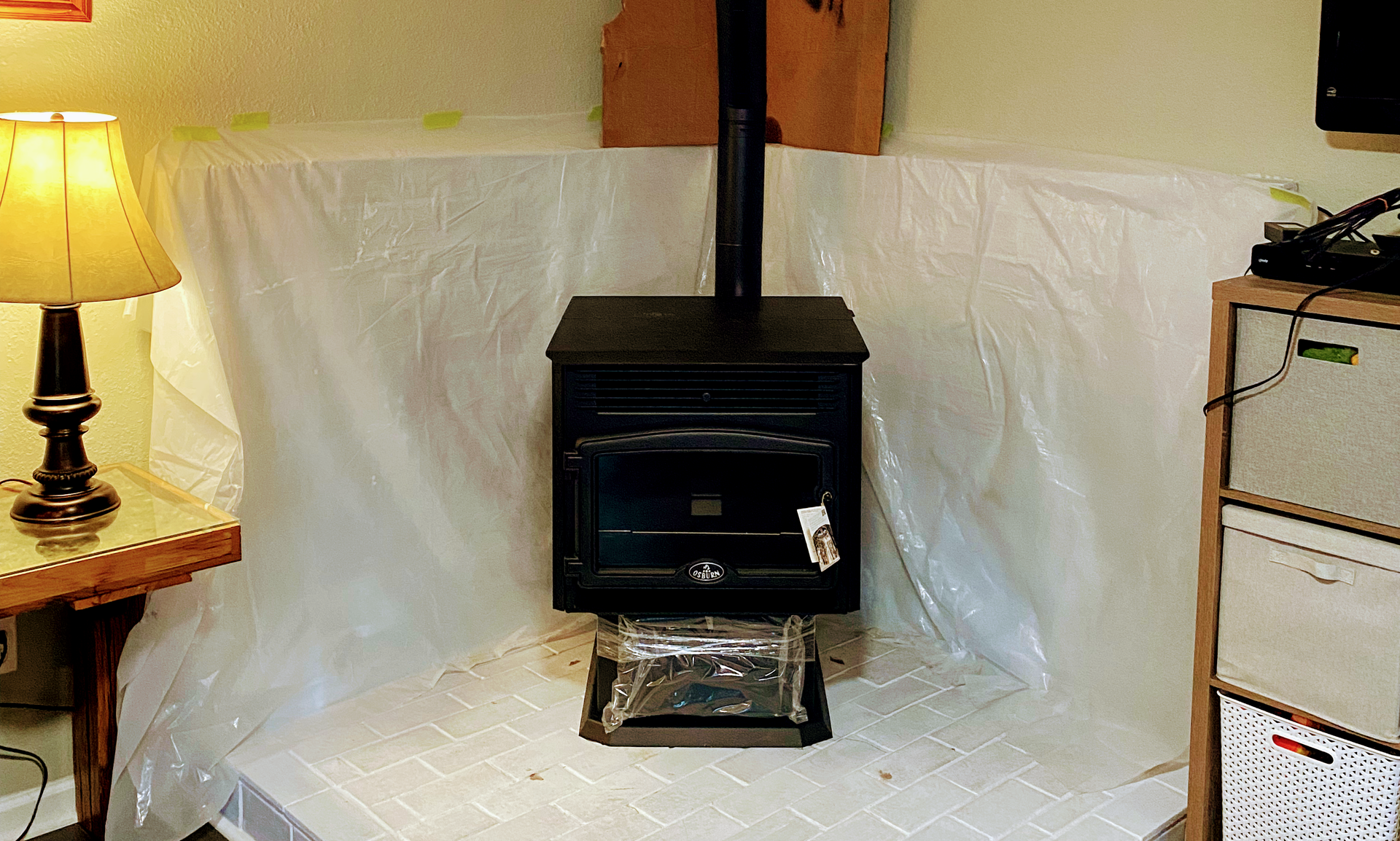
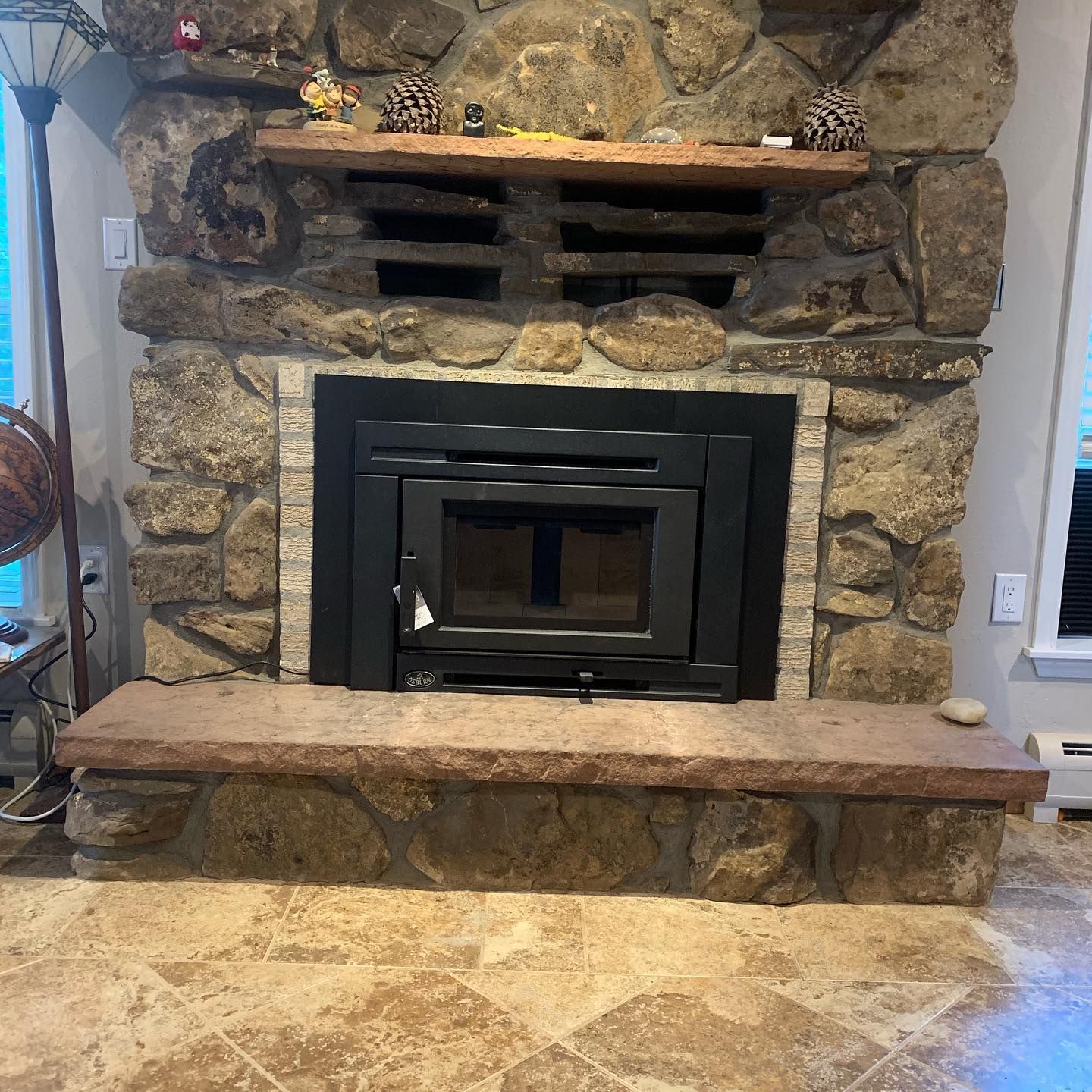
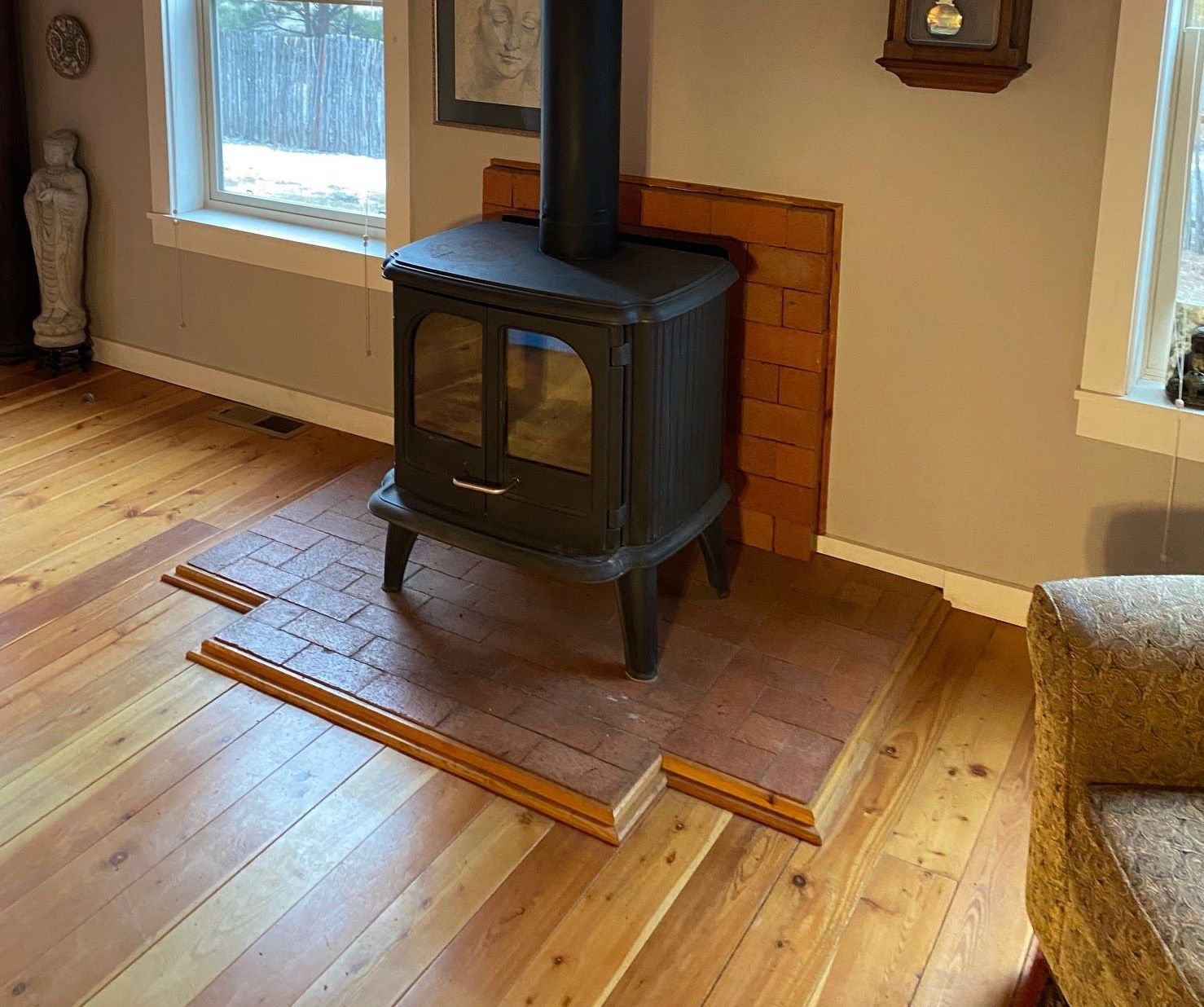
Wood stoves burn firewood to produce heat, often through radiant and convective methods. Properly seasoned hardwood is recommended for optimal efficiency. Heat radiates directly from the stove, while chimneys or flues expel smoke and combustion gases outside. Wood stoves vary from traditional cast iron models to modern steel designs with glass doors, combining performance and aesthetics.
Benefits of Wood Stoves
- Authentic Ambiance: The visual and auditory appeal of crackling firewood creates a cozy atmosphere unmatched by other stove types.
- Fuel Independence: Firewood can be sourced locally, reducing reliance on utility providers. Many homeowners appreciate the self-sufficiency aspect of wood-burning stoves.
- High Heat Output: Wood stoves can produce significant heat, capable of warming large spaces efficiently when properly sized.
Challenges and Considerations
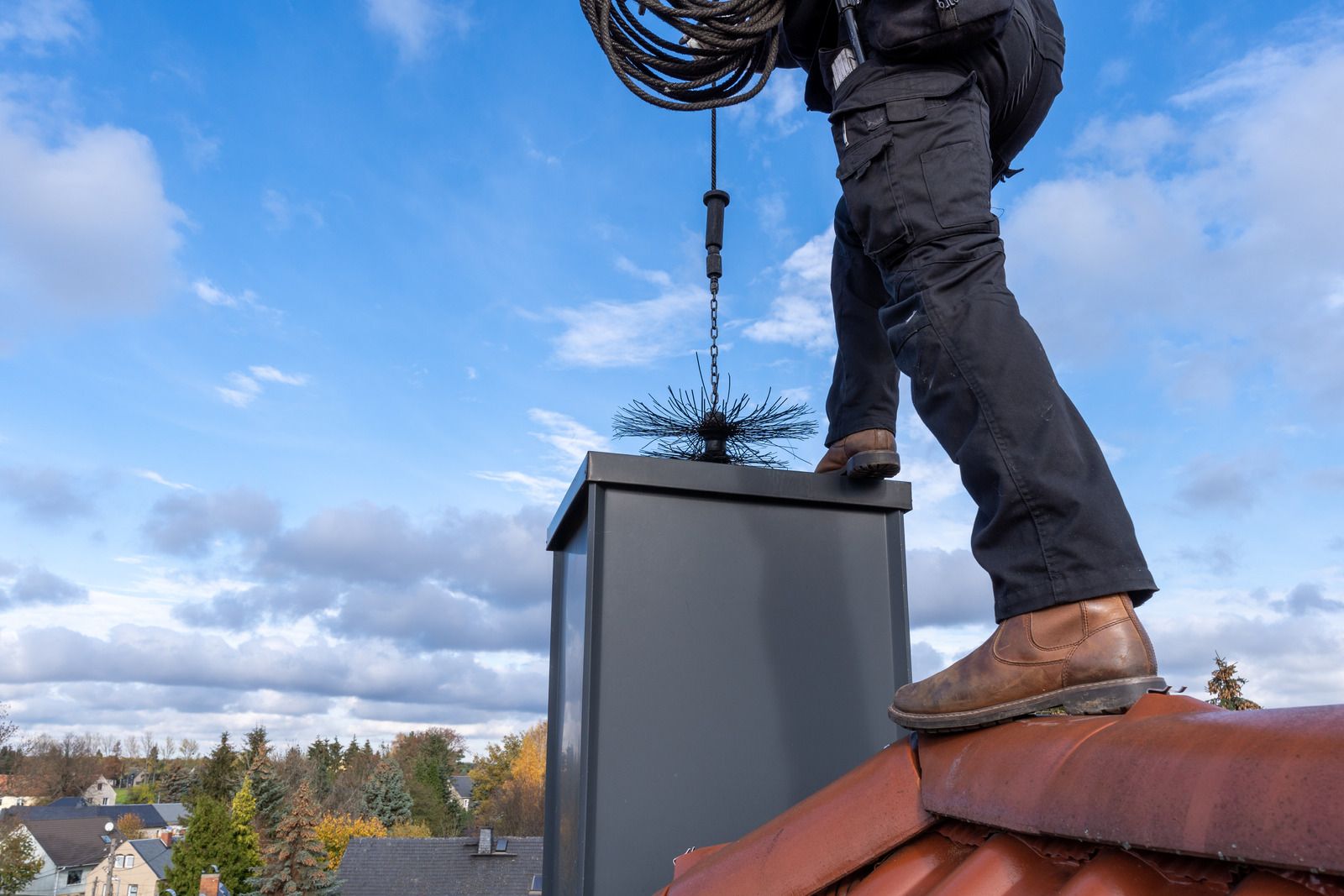
- Maintenance Requirements: Wood stoves require regular ash removal, chimney sweeping, and inspection to prevent creosote buildup and ensure safety.
- Storage and Handling: Firewood must be stored in a dry area and requires physical handling, which can be labor-intensive.
- Air Quality and Emissions: Wood burning produces smoke, particulates, and creosote, which can affect indoor and outdoor air quality. Local regulations may restrict use in certain areas.
Ideal Scenarios for Wood Stoves
Wood stoves are ideal for homeowners who value traditional aesthetics, enjoy hands-on operation, and have access to sustainable firewood supplies. They are particularly effective in rural or colder climates where consistent, high-output heat is desired.
3. Pellet Stoves: Efficiency and Automation
How Pellet Stoves Work
Pellet stoves burn compressed wood or biomass pellets, using an electric auger to feed fuel into the combustion chamber automatically. A built-in fan circulates heated air throughout the room, optimizing efficiency. Many units feature programmable thermostats, timers, and remote controls, providing convenience similar to gas stoves but with the authentic flame of wood combustion.
Benefits of Pellet Stoves
- High Efficiency: Pellet stoves typically have higher thermal efficiency than traditional wood stoves, converting more fuel into usable heat.
- Automation and Control: The automatic feeding system reduces manual effort, while digital controls maintain consistent temperatures and optimize fuel use.
- Cleaner Burning: Pellets produce less ash and smoke compared to firewood, making them environmentally friendly and reducing chimney maintenance.
Challenges and Considerations
- Electricity Dependence: Pellet stoves require electricity to operate the auger, fans, and digital controls. Power outages can limit functionality unless a backup generator is available.
- Fuel Availability: Pellets must be purchased and stored in a dry environment. Availability may vary by region, and costs fluctuate based on local supply.
- Upfront Cost: Pellet stoves often have higher initial costs than wood stoves, partly due to the automation and electronic components.
Ideal Scenarios for Pellet Stoves
Pellet stoves are suitable for homeowners seeking efficiency, automation, and reduced maintenance without sacrificing the cozy appeal of a real flame. They are excellent in suburban homes where electricity is reliable and where convenience is valued alongside sustainability.
4. Comparing Costs and Efficiency
Initial Purchase and Installation Costs
- Gas Stoves: Typically moderate to high in upfront cost, factoring in installation, gas line connections, and safety compliance.
- Wood Stoves: Moderate cost for the stove itself, but additional costs arise from chimney installation, hearth preparation, and safety inspections.
- Pellet Stoves: Generally higher initial costs due to automated components and integrated fans; installation also requires venting and electrical access.
Fuel Costs and Availability
- Gas: Prices fluctuate depending on natural gas or propane markets but offer consistent supply in connected regions.
- Wood: Can be cost-effective if sourced locally, though labor and storage must be considered.
- Pellets: Cost varies regionally, and long-term expenses depend on pellet consumption and storage capacity.
Heating Efficiency
- Gas: Provides steady, controllable heat but may have lower radiant warmth compared to wood.
- Wood: High heat output, particularly in well-insulated homes, but efficiency depends on wood quality and stove design.
- Pellet: High efficiency due to automated feeding and controlled combustion, often outperforming wood stoves in fuel-to-heat conversion.
5. Maintenance and Longevity
Gas Stove Maintenance
Gas stoves require minimal maintenance—primarily cleaning burners, inspecting gas lines, and occasional chimney checks for vented models. Longevity often exceeds 15–20 years with proper care.
Wood Stove Maintenance
Wood stoves demand regular cleaning of ash, periodic chimney sweeping, and inspection for cracks or corrosion. Proper care can extend a stove’s lifespan to 20–30 years.
Pellet Stove Maintenance
Pellet stoves require daily or weekly ash removal, hopper cleaning, and annual inspection of fans, motors, and augers. With routine maintenance, they can last 15–20 years.
Safety Considerations
All stove types require proper installation and adherence to safety guidelines. Gas stoves need leak checks, wood stoves demand vigilance against creosote buildup, and pellet stoves must ensure electrical components are maintained and dry fuel is used.
6. Choosing the Right Stove for Your Lifestyle
Assess Your Heating Needs
Evaluate the size of the area you want to heat, insulation levels, and whether the stove will serve as primary or supplemental heat. Gas stoves provide consistent heat for moderate areas, wood stoves offer intense warmth for large or open spaces, and pellet stoves combine efficiency with controlled output.
Consider Daily Convenience
Think about your willingness to manage fuel and perform maintenance. Gas stoves require minimal effort, wood stoves demand daily involvement, and pellet stoves strike a balance with partial automation.
Environmental and Regulatory Factors
Consider emissions regulations and local ordinances. Wood stoves may be restricted in urban areas due to particulate emissions, whereas gas and pellet stoves generally comply with stricter environmental standards.
Aesthetic and Ambiance Preferences
Your stove should complement your home’s design. Wood stoves appeal to traditional and rustic aesthetics, gas stoves fit modern or minimalist interiors, and pellet stoves often offer a mix of style and visible flames with clean operation.
Trusted Recommendations for Efficient Home Heating Systems
At Shawn's Chimney Sweep & Stove Company, located in Santa Fe, New Mexico, we bring over 40 years of experience helping homeowners choose the perfect stove for their living spaces. Our team understands the nuances of gas, wood, and pellet stoves and provides personalized guidance tailored to your home’s design, heating needs, and lifestyle preferences.
Choosing the right stove is a significant investment, and partnering with a trusted, experienced company can make all the difference. With
Shawn's Chimney Sweep & Stove Company, you gain peace of mind knowing your home heating system is installed correctly, maintained thoroughly, and supported by a team committed to excellence. Our experience in Santa Fe ensures we understand local climates, fuel availability, and building codes, making us your go-to authority for all stove and chimney needs.