The Ultimate Fall Checklist for a Safe & Efficient Fireplace
As the crisp air of fall settles in, many homeowners begin preparing their homes for the cozy months ahead. Central to this seasonal preparation is ensuring that your fireplace is safe, clean, and fully functional. Fireplaces, whether wood-burning or gas, offer warmth, ambiance, and a gathering point for families. However, without proper maintenance and attention, they can also pose serious safety hazards, from chimney fires to carbon monoxide exposure. Understanding what steps to take before lighting your first fire of the season is crucial for a worry-free and enjoyable experience.
Preparing a fireplace isn’t just about aesthetics or convenience—it’s about safety, efficiency, and longevity. Taking a proactive approach in fall can prevent costly repairs, reduce fire risks, and improve heating efficiency throughout the winter months. This ultimate fall checklist provides homeowners with actionable steps to inspect, clean, and maintain their fireplace systems. From assessing structural integrity to scheduling professional inspections and ensuring proper ventilation, each task is designed to optimize performance and provide peace of mind. Whether you are a seasoned fireplace owner or new to home heating, following a thorough checklist can transform your fireplace from a potential hazard into a reliable source of warmth and comfort.
1. Comprehensive Fireplace Inspection
Visual Assessment
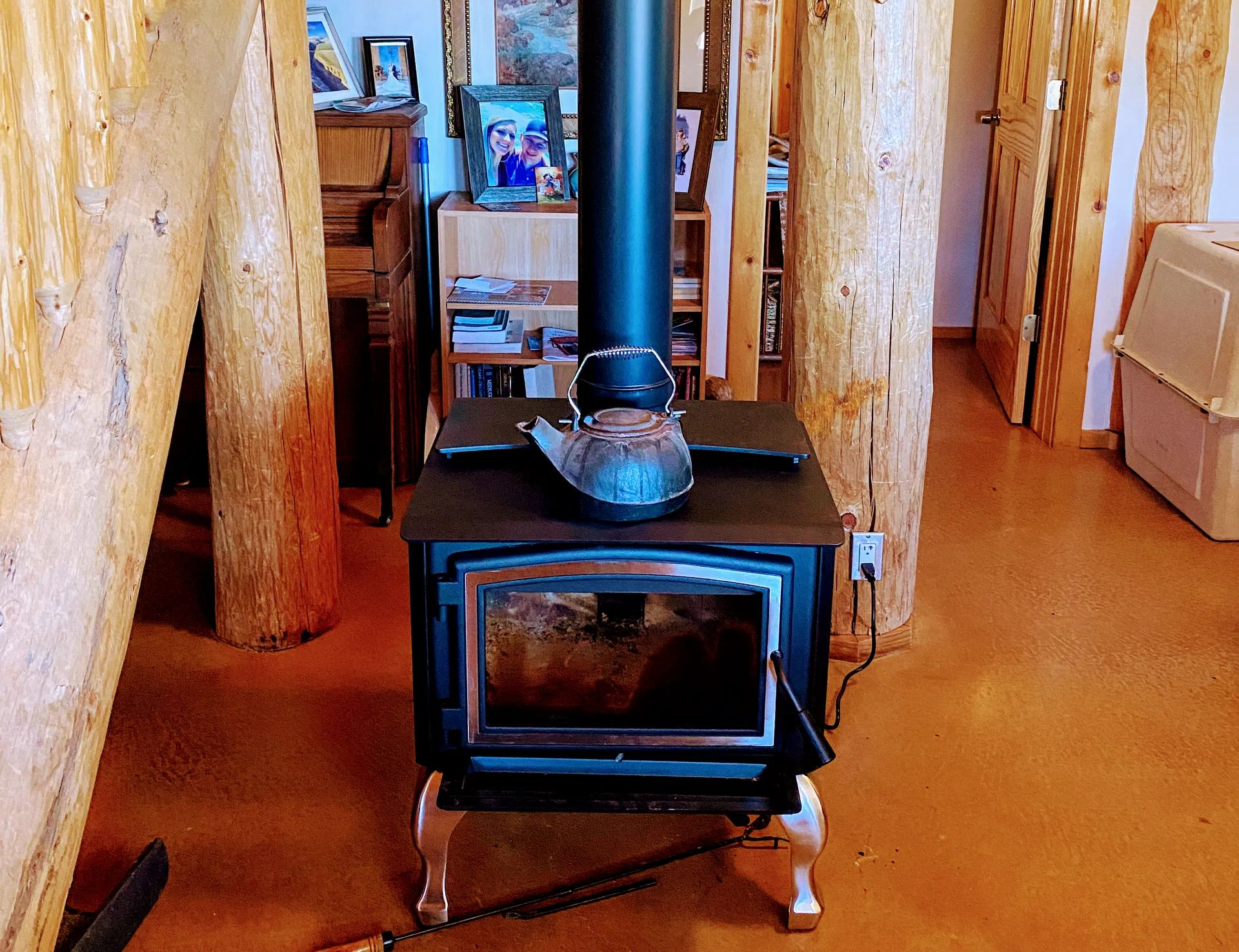
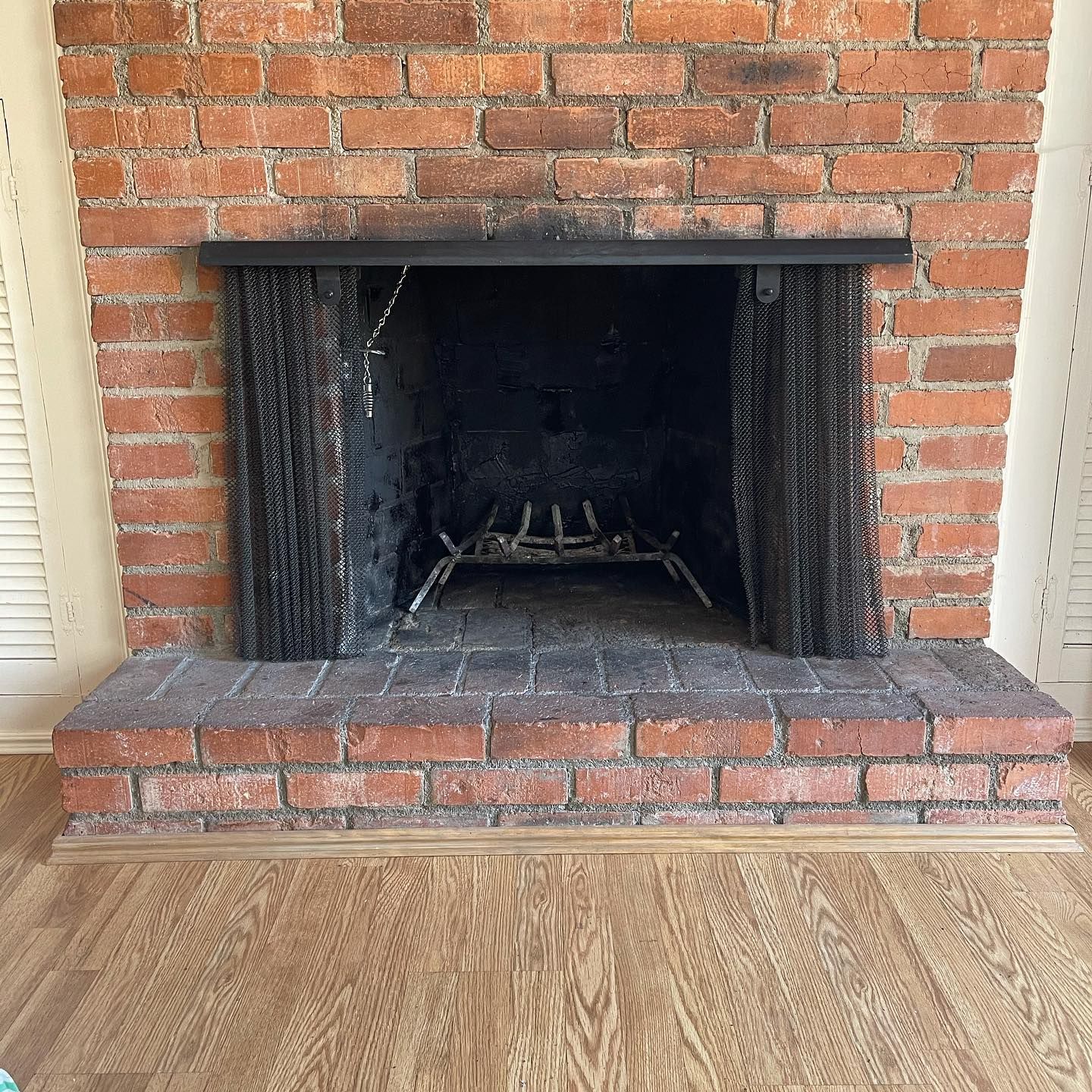
Before using your fireplace, start with a detailed visual inspection of every component. Check the firebox for cracks, deterioration, or loose bricks, as any signs of wear can compromise safety, heat efficiency, and long-term structural integrity. Examine the chimney from the interior and exterior to ensure there are no obstructions such as nests, debris, or excessive soot buildup that might block airflow. For gas fireplaces, also inspect the logs, burners, and pilot assembly for damage, misalignment, or corrosion to ensure optimal and safe operation.
Functional Check
Test doors, screens, dampers, and controls to confirm they open, close, and function smoothly without sticking. A stuck damper can prevent proper ventilation, while a damaged screen significantly increases the risk of sparks escaping into your living space during a fire. For gas units, ensure ignition systems function correctly and verify that all safety mechanisms are fully operational before using. Conducting these checks early allows homeowners to address minor issues promptly before they escalate into costly and dangerous repairs later in the season.
Professional Inspection
While a DIY inspection is valuable, a certified chimney professional should perform a thorough annual inspection. According to the National Fire Protection Association (NFPA), chimneys and fireplaces should be inspected at least once a year to maintain safety. Professionals can identify hidden structural issues, severe creosote buildup, or faulty flue components that could otherwise go unnoticed by untrained eyes. Early detection ensures safety, proper functionality, and compliance with local building codes and insurance requirements.
2. Cleaning and Removing Creosote
Understanding Creosote
Creosote is a highly flammable byproduct of burning wood that accumulates along chimney walls over time, especially during heavy seasonal use. Even a thin layer of creosote can pose a serious fire hazard, particularly during the heating season when fireplaces are in near-constant operation. Its sticky, tar-like composition makes it extremely dangerous because it can ignite at relatively low temperatures, potentially causing chimney fires if left untreated for extended periods.
Step-by-Step Cleaning
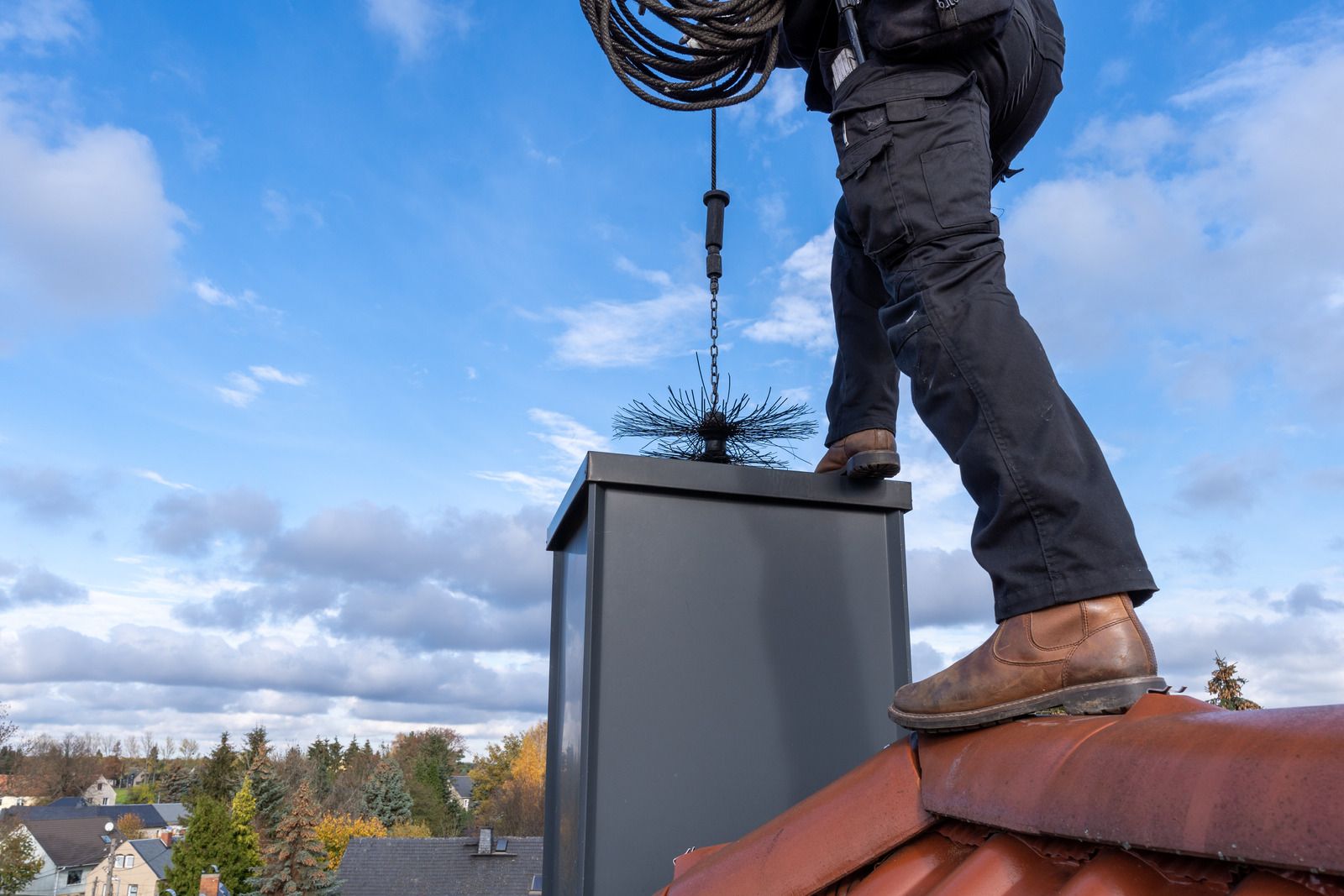
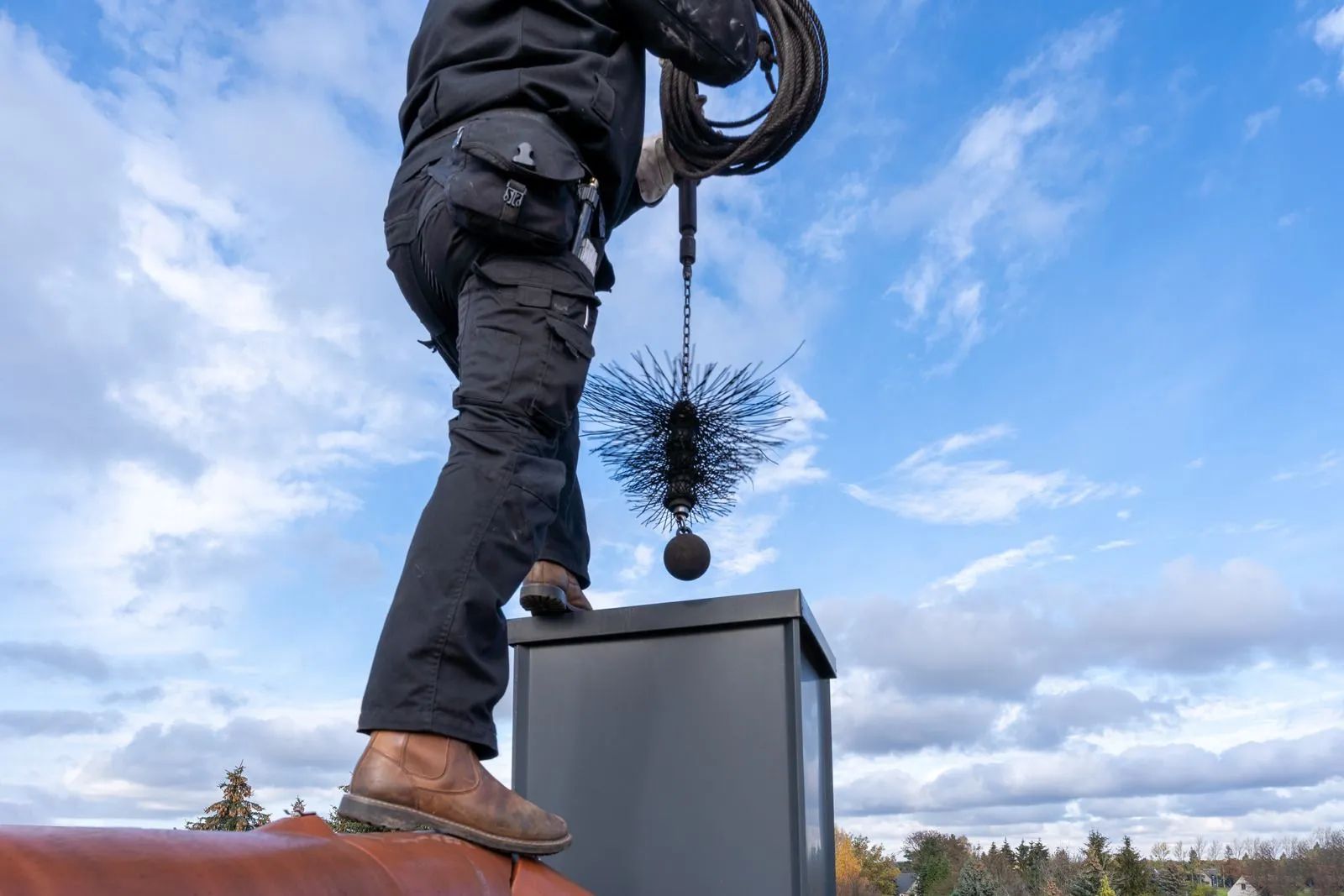
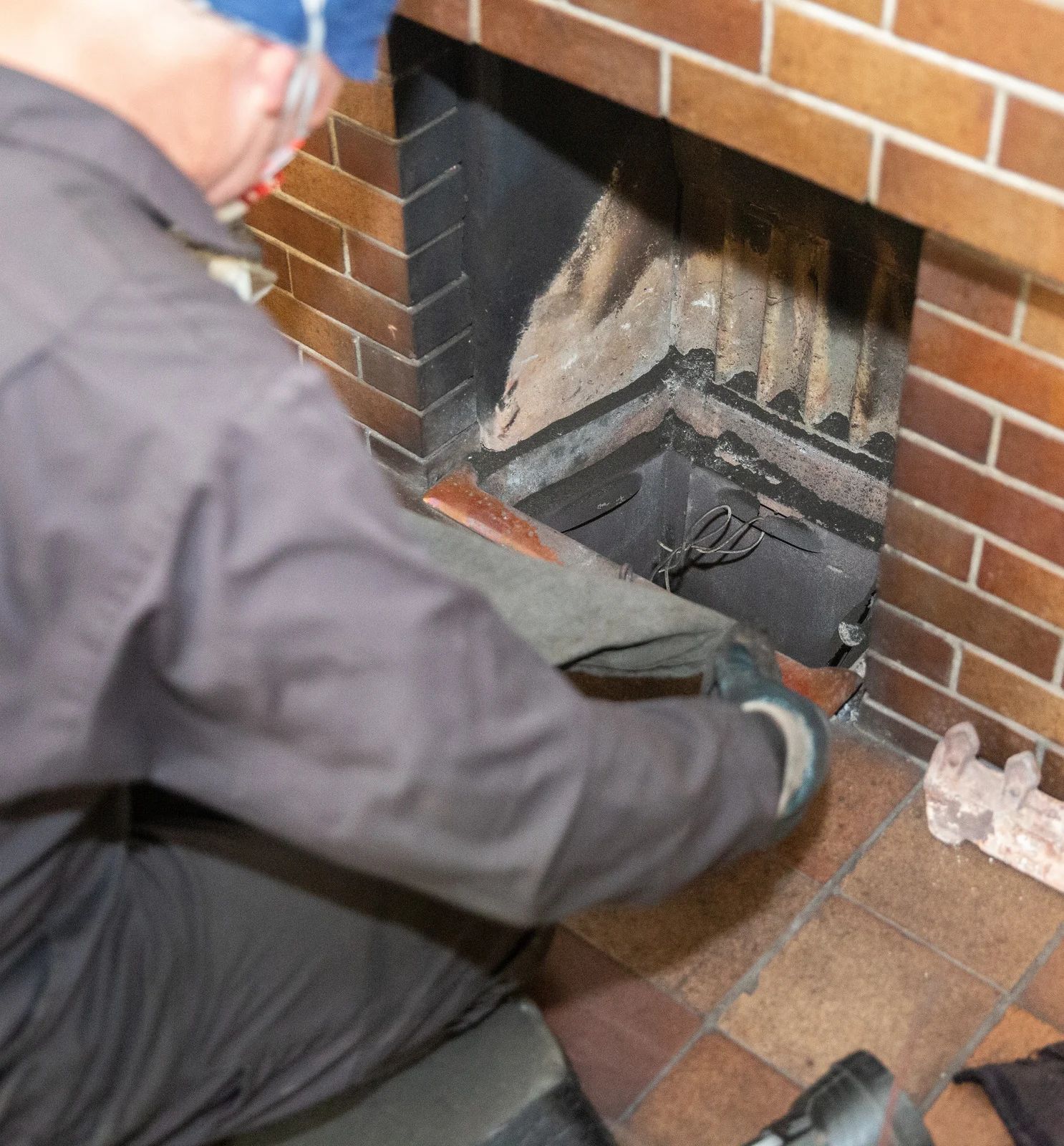
For wood-burning fireplaces, begin by removing ashes and debris from the firebox completely. Use a sturdy metal container to collect and safely store ashes for disposal, preventing accidental fire risks. Next, clean the chimney flue using a rigid brush that matches the flue’s exact dimensions for thorough contact. Move the brush in an up-and-down motion to ensure complete coverage of all walls. Gas fireplaces, while producing minimal creosote, still require cleaning to remove dust, soot, or minor debris from burners, vents, and pilot assemblies to maintain proper airflow and efficiency.
Safety Measures
Always wear protective gloves, eyewear, and a dust mask when cleaning chimneys to prevent exposure to harmful particles. Ensure proper ventilation in your home to avoid inhaling smoke, creosote dust, or other combustion byproducts during cleaning. For large or heavily soiled chimneys, consider hiring a certified sweep to guarantee complete removal of creosote and debris safely. Regular cleaning not only enhances safety but also improves airflow, maximizes efficiency, and ensures that your fireplace burns effectively for consistent warmth throughout the season.
3. Chimney Cap and Vent Maintenance
Importance of a Chimney Cap
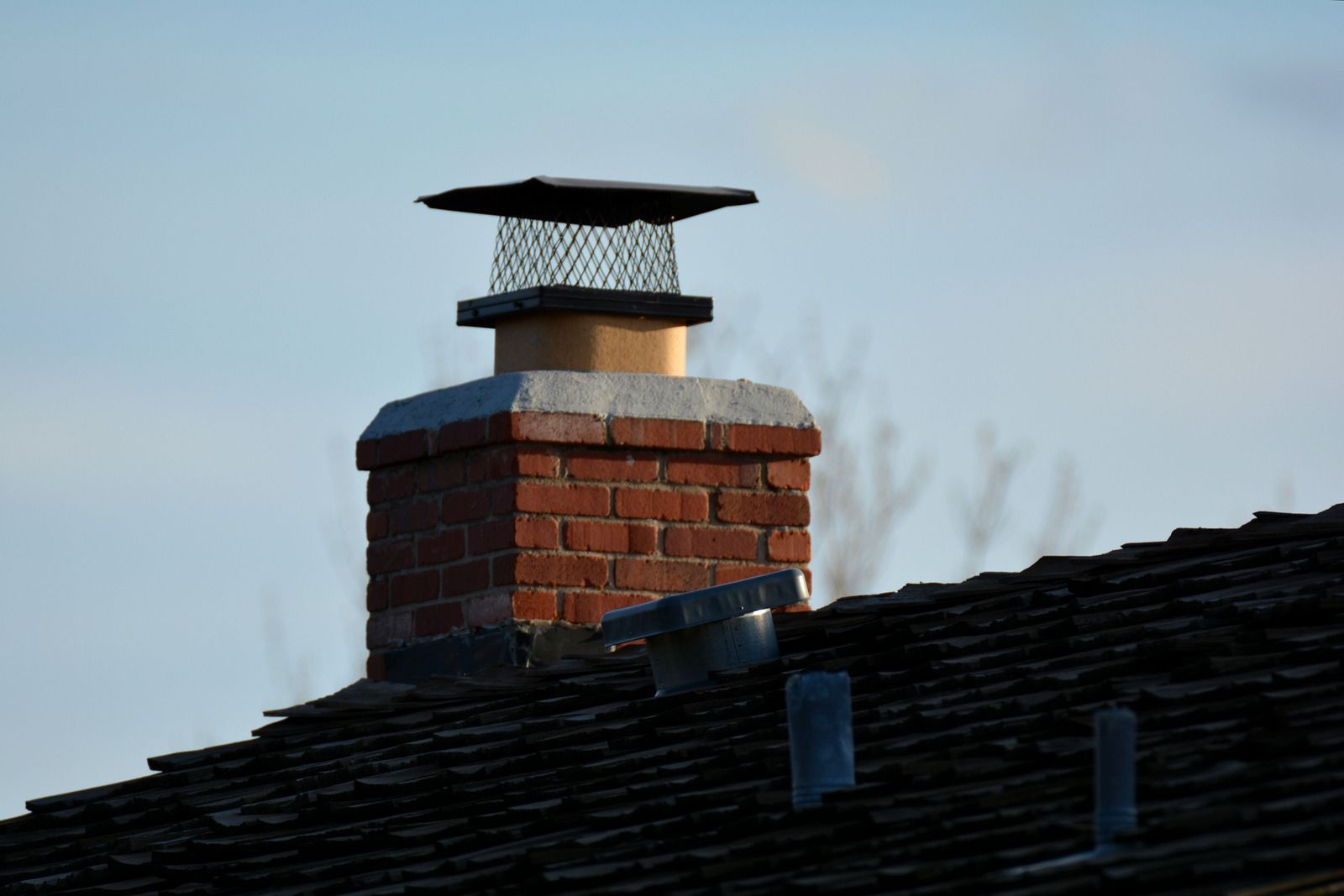
A chimney cap serves multiple essential purposes: it prevents rain, debris, and wildlife from entering the flue while also helping to contain sparks and embers within the chimney. Without a functional cap, moisture can infiltrate the chimney, potentially causing rust, corrosion, or deterioration of masonry over time. Birds, squirrels, and other small animals may also build nests in open flues, creating blockages that impair ventilation and reduce fireplace efficiency significantly during the heating season.
Inspecting Ventilation Systems
Check all vents for obstructions, including leaves, twigs, and accumulated dust, which can disrupt airflow and reduce combustion efficiency. Proper ventilation is critical for safe operation, heating efficiency, and indoor air quality. Ensure that vent screens are intact, and there are no signs of corrosion, rust, or wear. Gas fireplaces rely on precise venting for safe operation, so even minor blockages can result in dangerous smoke or gas backflow, creating a serious hazard if left unaddressed.
Routine Maintenance
Clean chimney caps and vents annually and inspect all components for signs of wear or damage. Replace any damaged or deteriorated parts immediately to maintain optimal function and safety. In areas with heavy fall foliage or frequent windstorms, consider performing periodic checks throughout the season. Proper vent and cap maintenance prevent dangerous backdrafts, ensure safe combustion, and help your fireplace operate efficiently while extending the overall life of the system.
4. Fuel Storage and Selection
Wood-Burning Fireplaces
Selecting the right type of wood is essential for a clean, efficient, and long-lasting burn. Hardwoods such as oak, maple, and hickory are ideal because they burn longer, produce more heat, and create minimal creosote. Avoid softwoods like pine, which burn quickly, produce more smoke, and contribute to excessive creosote buildup that can lead to dangerous chimney fires. Ensure that wood is fully seasoned with moisture content below 20% to minimize smoke, improve combustion efficiency, and reduce hazardous buildup over time.
Gas Fireplaces
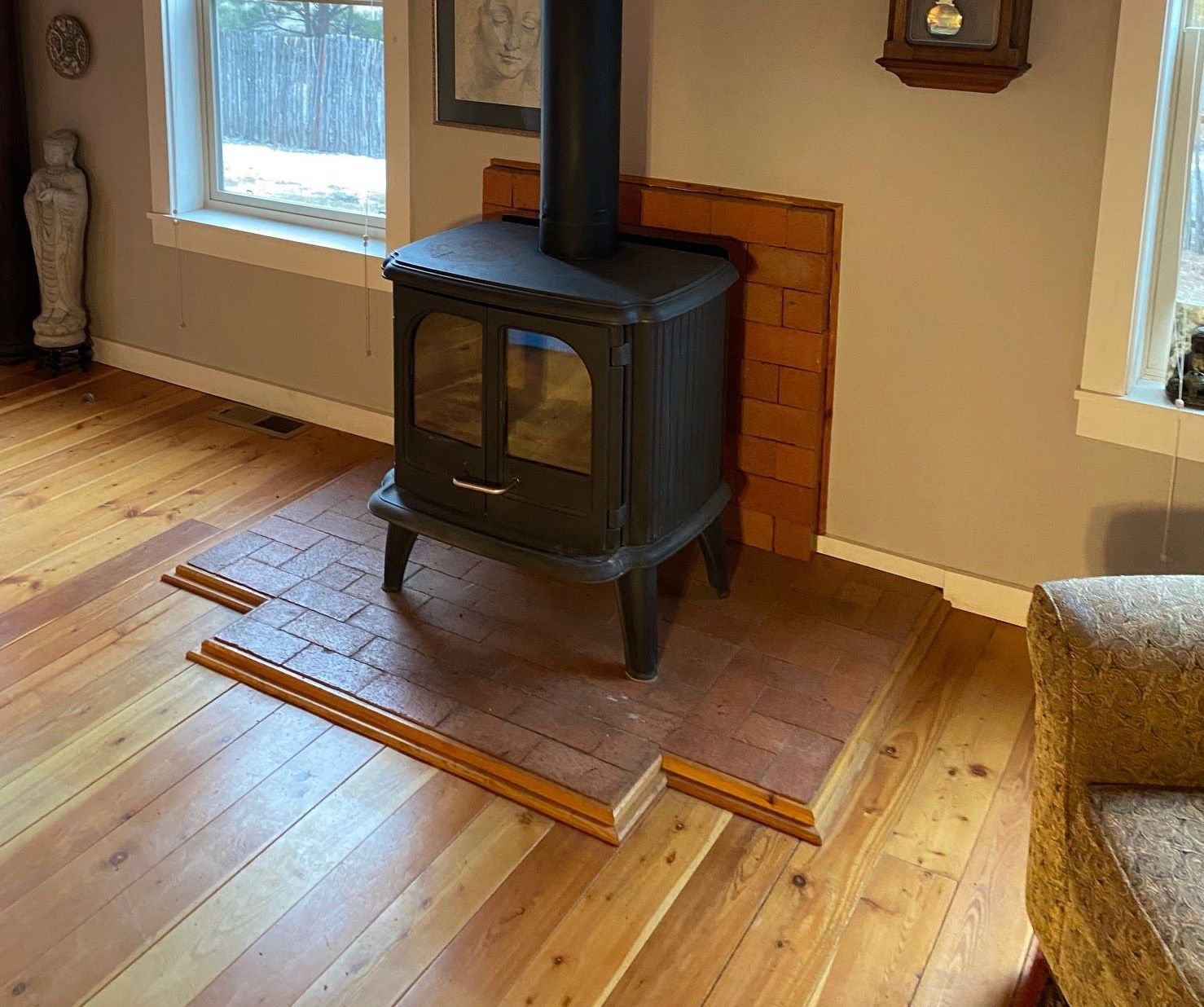
For gas units, inspect all fuel lines, connections, and valves for leaks, damage, or corrosion before the start of the season. Ensure your propane or natural gas supply is sufficient and properly secured for consistent heating throughout fall and winter. Leaks or compromised connections can lead to dangerous combustion issues, posing significant safety risks. Always follow manufacturer guidelines for maintenance, operation, and fuel selection to ensure efficient and safe performance from your gas fireplace system.
Safe Storage Practices
Store firewood at least 30 feet away from your home and elevated off the ground to prevent moisture absorption, rot, and pest infestations. For gas, make sure tanks or lines are located in ventilated areas away from heat sources, direct sunlight, or flammable materials. Proper storage not only safeguards your family and home from potential fire hazards but also prolongs the life of your fireplace and ensures maximum efficiency during seasonal use.
5. Safety Devices and Carbon Monoxide Precautions
Smoke and Carbon Monoxide Detectors
Fireplaces produce combustion byproducts, including carbon monoxide (CO), which is odorless, invisible, and potentially lethal if undetected. Install smoke and CO detectors in rooms with fireplaces and throughout your home for comprehensive protection. Test these devices monthly and replace batteries as needed to ensure proper functionality. Advanced models with digital readouts provide real-time monitoring, alerts, and enhanced safety for the entire household during prolonged fireplace use.
Fire Extinguishers
Keep a Class A-B-C fire extinguisher nearby, ensuring all household members understand how to operate it properly during emergencies. Store it in an accessible location, away from heat sources but within reach in the event of a fire starting outside the firebox. Fire extinguishers serve as a critical first line of defense, allowing homeowners to act quickly while waiting for emergency services if a fire occurs unexpectedly.
Emergency Preparedness
Educate your family on safe fireplace use, including proper fire-starting techniques, never leaving fires unattended, and following emergency evacuation procedures. Maintaining a comprehensive fire safety plan is as important as the physical maintenance of your fireplace itself. Preparation ensures everyone in the household can respond safely to emergencies, minimizing the risk of injury or property damage while enjoying the warmth of a well-maintained fireplace.
Your Trusted Source For Safe Fireplace Operation
For homeowners in Santa Fe, New Mexico, Shawn's Chimney Sweep & Stove Company
provides unmatched expertise and dependable service. With over 40
years of experience, the team
specializes in fireplace and chimney inspections, professional cleanings, and safety enhancements tailored to each home. Their trusted professionals combine technical knowledge with hands-on experience to ensure your fireplace is ready for fall and winter. By choosing
Shawn's Chimney Sweep & Stove Company, you gain peace of mind knowing your fireplace will deliver warmth, safety, and efficiency all season long.