How a Clean Chimney Improves Indoor Air Quality?
The Connection Between Chimneys and Indoor Air Quality
How Chimneys Support Healthy Airflow
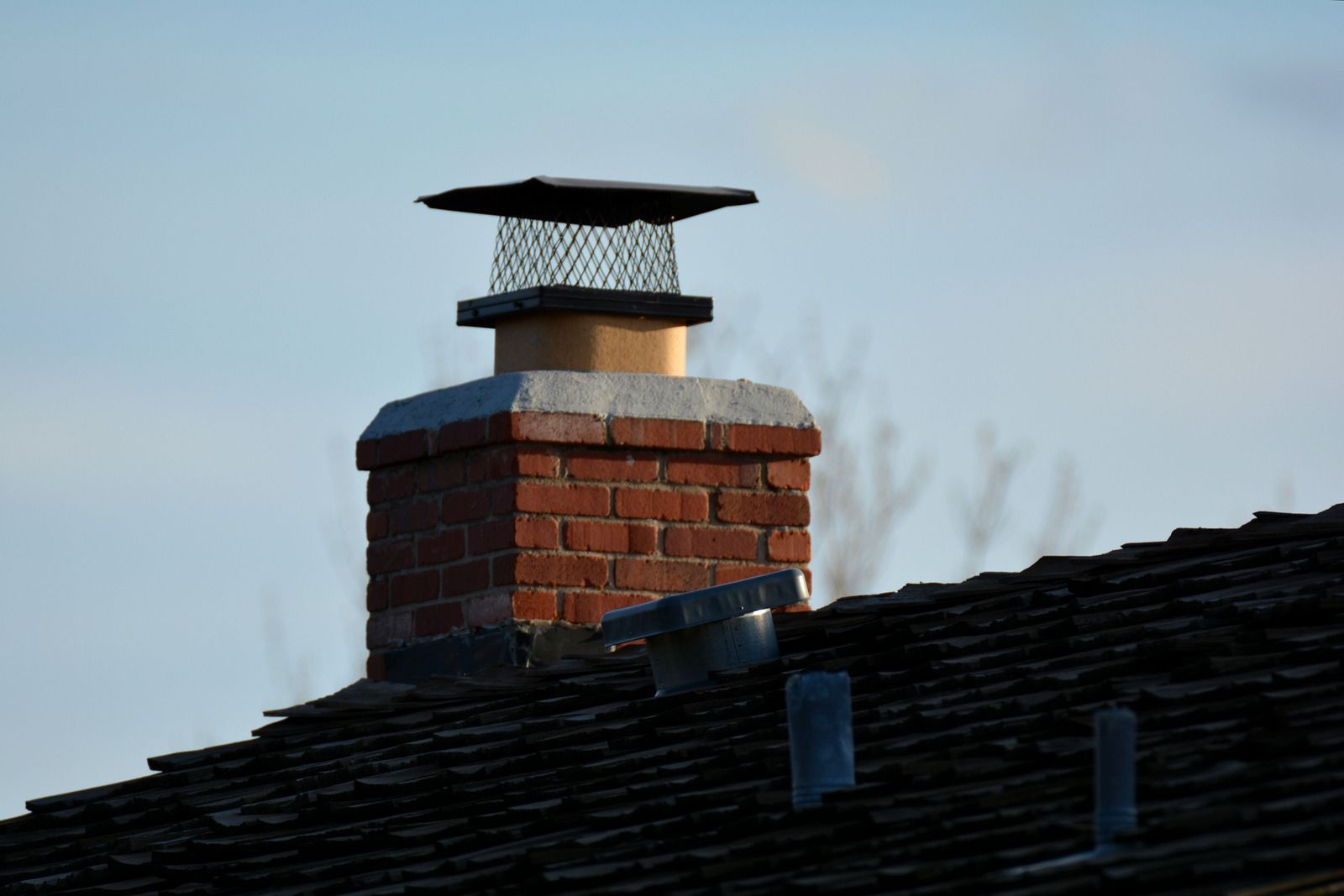
A chimney functions as a ventilation system designed to remove smoke, gases, and combustion byproducts generated by fireplaces and wood-burning appliances. When operating properly, warm air rises through the flue and exits the home, creating a draft that continually pulls contaminants away from indoor living areas.
This natural ventilation process helps maintain cleaner indoor air while supporting safe appliance operation. When the chimney remains unobstructed, smoke and harmful particles have a clear path outside.
What Happens When a Chimney Becomes Dirty
As wood burns, byproducts such as soot and creosote accumulate on chimney walls. Leaves, twigs, nesting materials, and other debris may also enter the flue over time.
These obstructions restrict airflow and reduce draft performance. As ventilation weakens, smoke may linger inside the fireplace or enter living spaces. This introduces fine particulate matter into the home and negatively impacts indoor air quality.
Real-World Impact on Homeowners
Many homeowners notice persistent smoky odors, visible haze, or irritation when using a fireplace. In many cases, these symptoms can be traced back to a chimney that requires cleaning.
Addressing buildup before it becomes severe helps maintain proper airflow and supports a healthier indoor environment.
Common Pollutants Removed Through Chimney Cleaning
Smoke and Fine Particulate Matter
Wood smoke contains microscopic particles that can remain suspended in the air for extended periods. These particles may settle on furniture, walls, and flooring while contributing to indoor air pollution.
Routine chimney cleaning reduces the likelihood of smoke entering the home and helps minimize exposure to airborne particulates generated during combustion.
Creosote Residue and Combustion Byproducts
Creosote forms when wood smoke cools and condenses inside the chimney. While often associated with fire hazards, creosote buildup can also affect indoor air quality by disrupting airflow and increasing smoke infiltration.
Removing creosote allows the chimney to vent combustion byproducts more efficiently while supporting cleaner indoor air conditions.
Carbon Monoxide Concerns
Carbon monoxide is a colorless, odorless gas produced during fuel combustion. A blocked or poorly functioning chimney can interfere with proper venting and increase the risk of carbon monoxide entering living spaces.
Regular chimney maintenance helps ensure combustion gases exit the home as intended and reduces the potential for dangerous backdrafting situations.
Allergens and Organic Debris
Bird nests, insects, leaves, and moisture accumulation can introduce additional contaminants into a chimney system. These materials may contribute to unpleasant odors and create conditions that affect indoor air quality.
Professional cleaning removes these contaminants and restores proper ventilation performance.
How Chimney Maintenance Improves Household Health
Reducing Respiratory Irritation
Poor indoor air quality can contribute to respiratory discomfort, especially when smoke and airborne particles accumulate indoors. Even occasional smoke exposure may cause coughing, throat irritation, or discomfort for sensitive individuals.
Maintaining a clean chimney helps reduce these exposures by promoting proper smoke removal and improving overall indoor air conditions.
Supporting Vulnerable Household Members
Children, older adults, and individuals with respiratory sensitivities often spend significant time indoors. Airborne pollutants generated by fireplace use may have a greater impact on these groups.
By maintaining a properly functioning chimney, homeowners create a cleaner environment that supports comfort and well-being throughout the household.
Minimizing Lingering Odors
Dirty chimneys frequently produce strong odors caused by creosote, moisture, and trapped organic debris. These odors can spread throughout the home and become more noticeable during humid weather.
Regular cleaning removes the sources of these smells, helping maintain fresher indoor air and a more pleasant living environment.
Improving Overall Comfort
Clean indoor air contributes to a more enjoyable home experience. Reduced smoke infiltration, fewer odors, and better ventilation create a cleaner atmosphere that residents and guests can appreciate year-round.
The Role of Proper Draft and Ventilation
Understanding Chimney Draft
Draft refers to the upward movement of air through the chimney. This airflow is essential for removing smoke and combustion gases from the home.
A strong draft allows fireplaces and stoves to operate efficiently while maintaining healthy indoor air conditions. Any restriction within the chimney can reduce draft performance and compromise ventilation.
Signs of Ventilation Problems
Several warning signs may indicate chimney airflow issues, including:
Smoke Entering Living Spaces
If smoke spills into a room when a fire is burning, the chimney may be partially blocked or experiencing poor draft conditions.
Persistent Fireplace Odors
Strong smoky smells even when the fireplace is not in use often indicate creosote accumulation or ventilation issues.
Difficulty Starting Fires
Poor draft can make it difficult to establish or maintain a fire, leading to excessive smoke production and inefficient combustion.
Why Cleaning Restores Performance
Professional chimney cleaning removes the buildup that interferes with airflow. Restoring the full diameter of the flue allows air to move freely and supports proper ventilation throughout the system.
As airflow improves, indoor air quality benefits from more efficient smoke removal and reduced contaminant exposure.
Best Practices for Maintaining Clean Indoor Air Through Chimney Care
Schedule Regular Chimney Inspections
Routine inspections help identify developing issues before they become serious problems. Annual evaluations allow homeowners to detect creosote buildup, structural concerns, and ventilation restrictions early.
Professional inspections provide valuable insight into chimney condition and maintenance needs.
Use Proper Burning Materials
Burning seasoned hardwood produces less smoke and creosote compared to wet or unseasoned wood. Choosing appropriate fuel helps reduce chimney deposits and supports cleaner combustion.
Avoid burning household waste, treated wood, or materials that can generate excessive pollutants.
Address Moisture Problems Promptly
Moisture intrusion can accelerate chimney deterioration and contribute to odor issues. Damaged caps, flashing, or masonry should be repaired promptly to prevent water-related complications.
A dry chimney system promotes better airflow and cleaner indoor conditions.
Invest in Professional Cleaning Services
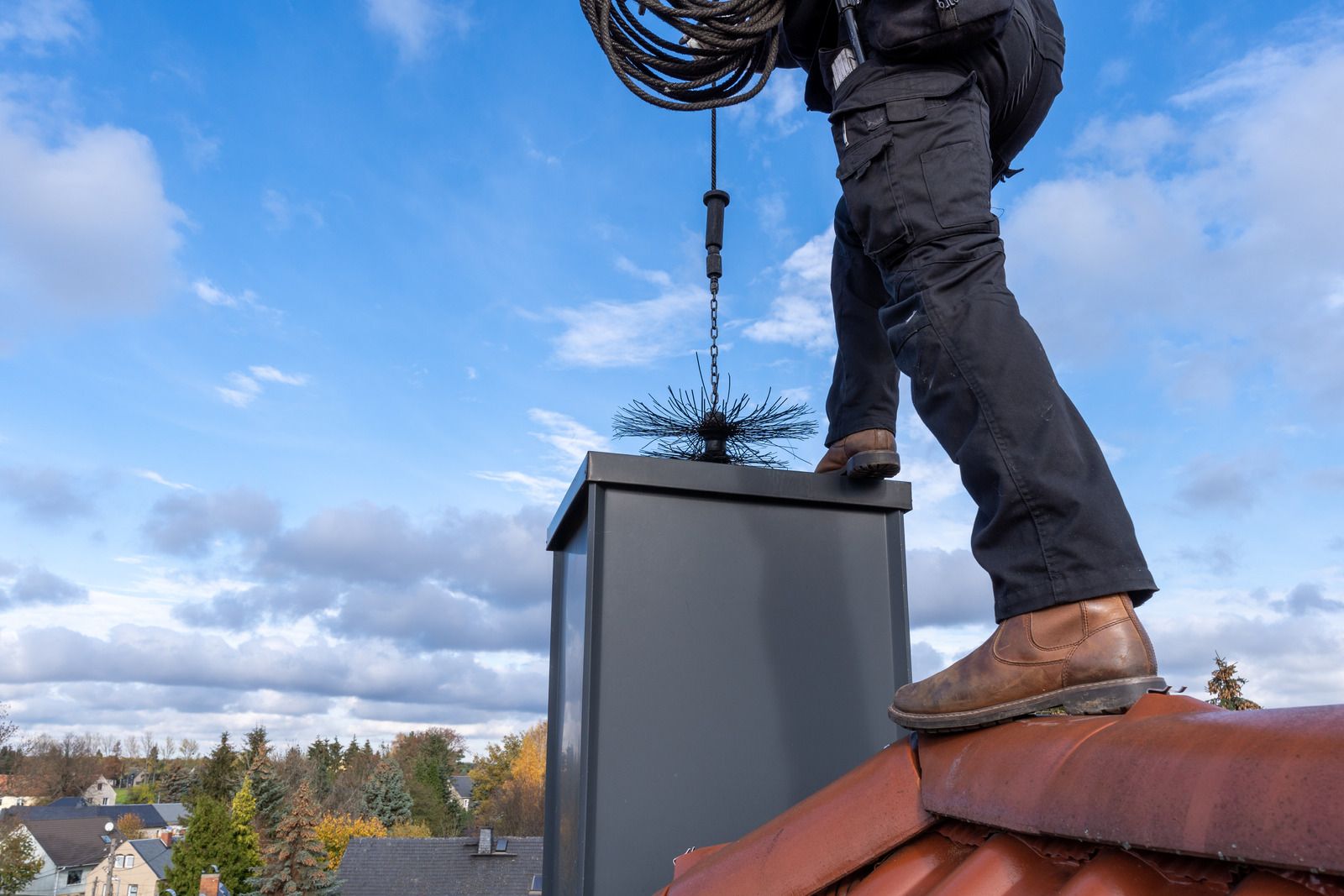
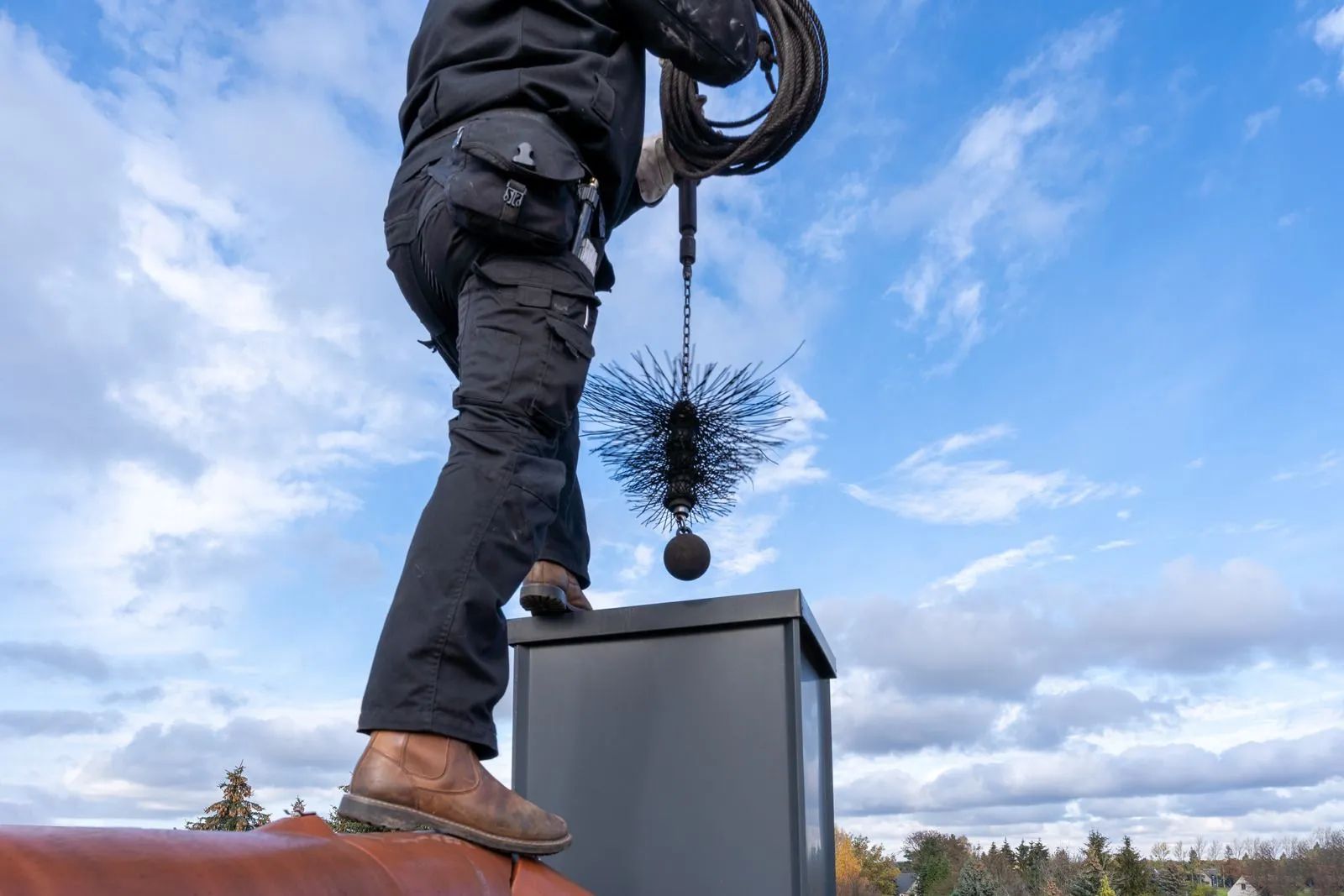
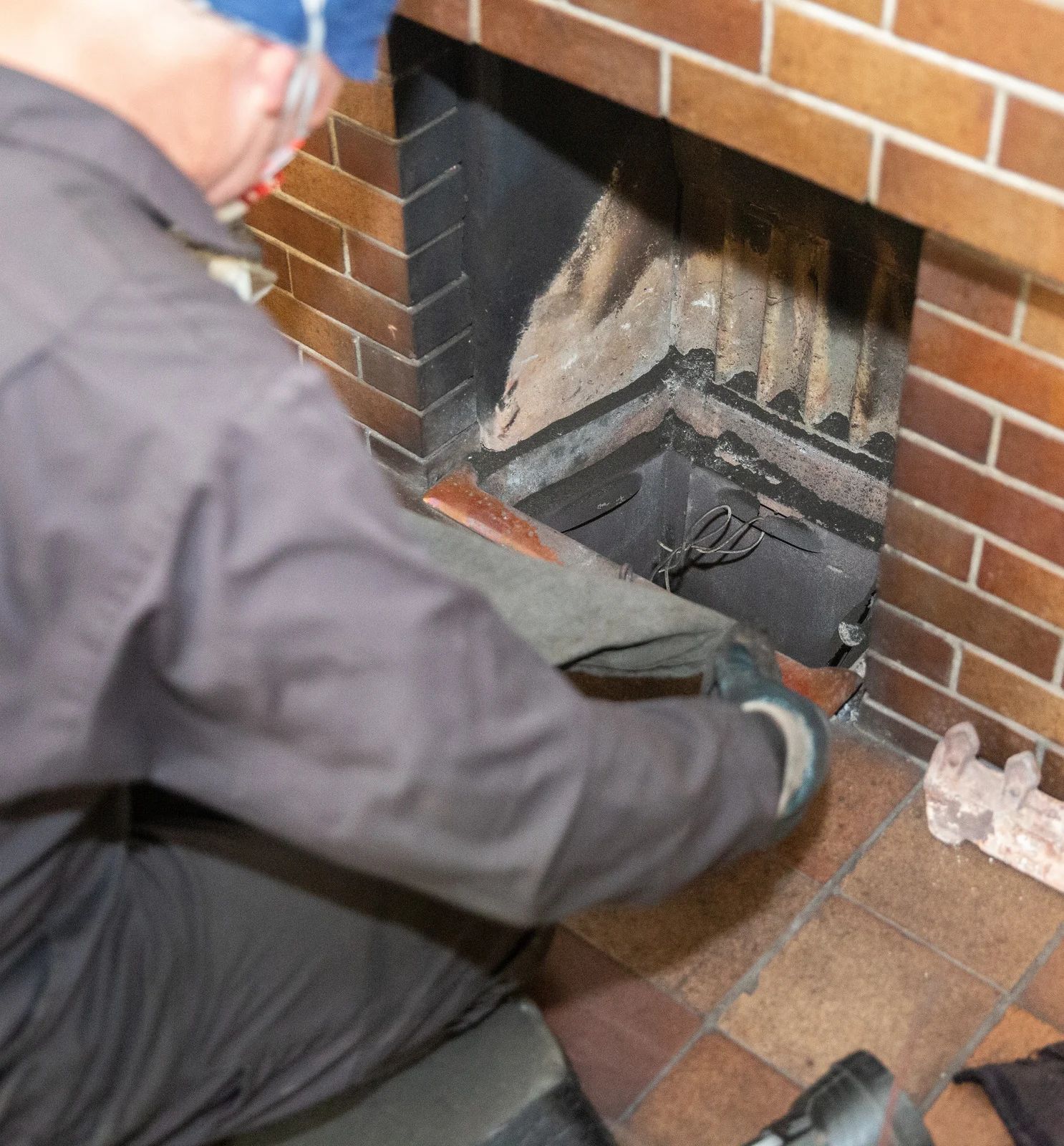
Professional chimney cleaning provides a thorough removal of soot, creosote, and debris that may be difficult to address without specialized equipment.
Experienced technicians can identify hidden concerns while restoring safe and efficient chimney performance.
Make Chimney Maintenance Part of Home Care
Just as homeowners maintain HVAC systems, plumbing, and roofing, chimney care should be included in a comprehensive home maintenance plan.
Consistent upkeep helps protect indoor air quality while supporting long-term system reliability.
Why Indoor Air Quality Starts With Proper Chimney Care
Indoor air quality depends on more than ventilation systems and household cleaning routines. A chimney plays a critical role in removing smoke, combustion gases, and airborne contaminants generated by fireplaces and wood-burning appliances. When soot, creosote, debris, and obstructions accumulate inside the flue, airflow becomes restricted, increasing the likelihood that pollutants will enter living spaces. Regular chimney cleaning helps restore proper draft, reduce smoke infiltration, eliminate unpleasant odors, and support healthier indoor conditions. It also contributes to safer fireplace operation and improved overall comfort throughout the home. By understanding the relationship between chimney maintenance and air quality, homeowners can take proactive steps to protect both their families and their property. Consistent inspections, professional cleaning, and responsible fireplace use work together to create cleaner air and a more enjoyable indoor environment. A well-maintained chimney remains one of the most important yet often overlooked components of a healthy home.
Trusted Chimney Expertise for Cleaner Indoor Air
When indoor air quality and fireplace safety are priorities, professional chimney care makes a meaningful difference. At Shawn's Chimney Sweep & Stove Company, we understand how proper chimney maintenance contributes to cleaner air, safer heating systems, and improved home comfort. Serving homeowners throughout Santa Fe, New Mexico, we bring 40 years of industry experience focused on chimney cleaning, inspections, maintenance, and stove services. Our approach emphasizes thorough evaluations, attention to detail, and solutions designed to support long-term chimney performance.