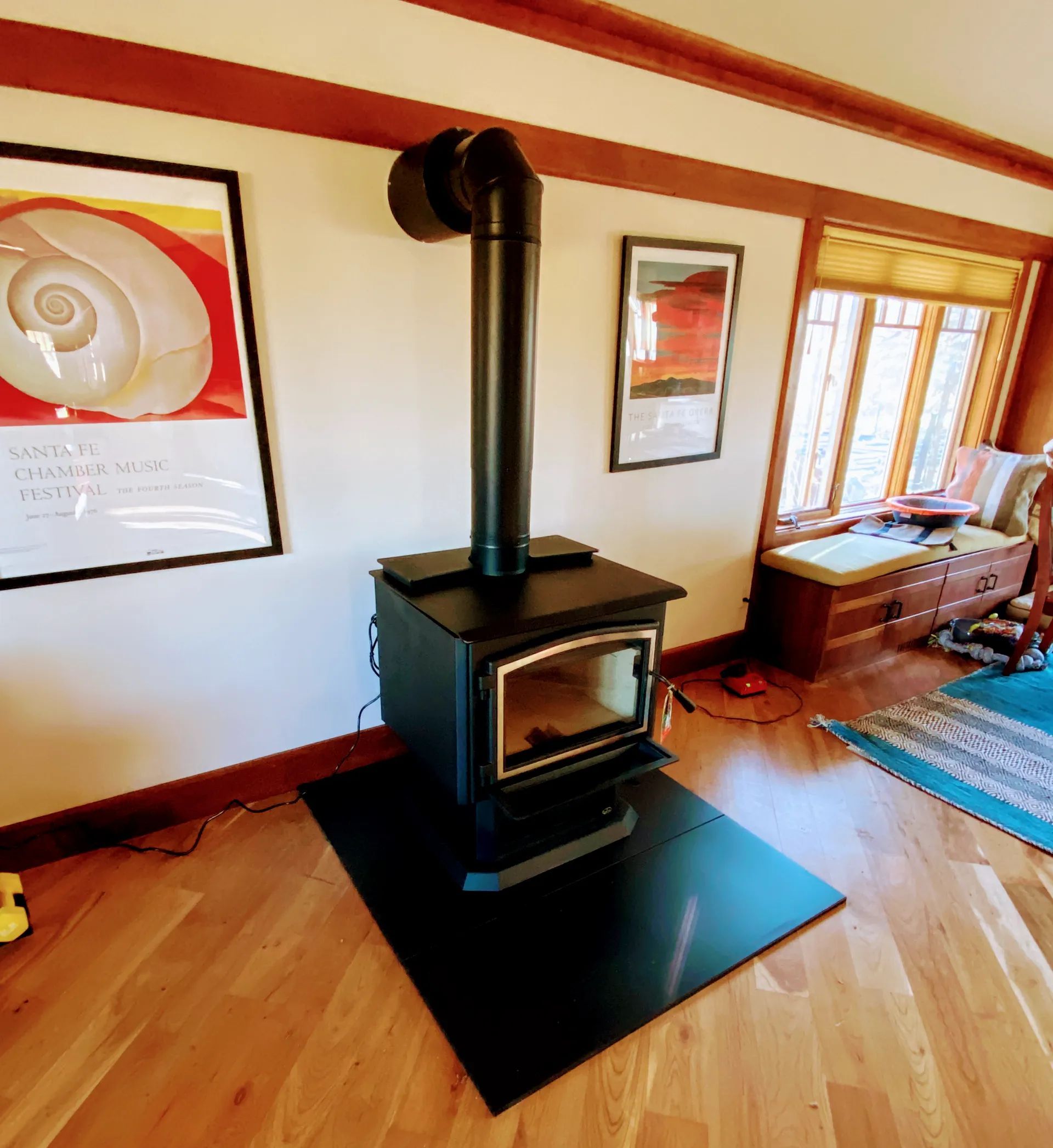
The Smart Homeowner’s Guide to Choosing a Gas Stove
Quick Answer: Choosing a gas stove wisely comes down to matching it to your home and needs, not just the look. Key considerations are the fuel (natural gas vs propane, based on what's available to you), the venting type and what your home can accommodate, sizing the stove to the space you want to heat (not too big or too small), and the features and style you want. Because a gas stove must be correctly sized, vented, and professionally installed for safety and performance, the smart path is understanding these factors and working with a professional to get the right unit installed properly.
Start With Fuel: Natural Gas or Propane
The first practical question is what fuel the stove will run on, because that's often determined by your home and it shapes your options.
Gas stoves run on either natural gas or propane. Natural gas comes from a utility line to your home; propane is stored in a tank on your property. Which one you use usually depends on what's available and set up at your home, if you have a natural gas line, a natural gas stove makes sense; if you're on propane (common in areas without gas lines), you'll want a propane unit or one configured for it. Stoves are made or configured for a specific fuel, so matching the stove to your home's fuel supply is a basic but essential first step.
So before falling for a particular stove, know your fuel situation: do you have natural gas service, or are you on (or planning) propane? That determines which stoves are options for you and needs to be right for the unit to work safely and properly. It's the kind of thing worth confirming up front, and a professional can help you sort out your fuel supply and what it means for your choices. Getting the fuel right is the foundation the rest of the decision sits on.
Venting and What Your Home Can Accommodate
The next major factor, and one people often underestimate, is venting: how the stove exhausts combustion byproducts, and what your home can accommodate. This affects both which stoves you can install and where.
A gas stove is a combustion appliance, so it needs proper venting to safely exhaust its byproducts, and gas stoves come in different venting configurations. The right venting approach depends on the stove and, importantly, on your home, its layout, where you want the stove, and how venting can be run. What works in one spot or one house may not work in another, so the venting question is really about matching the stove's venting requirements to what your home can support. This is a key reason a gas stove isn't a simply pick-any-unit decision; it has to be one your home can vent correctly.
Because venting is central to both safety and where the stove can go, it's one of the most important things to work through, ideally with a professional who can assess your home. They can tell you what venting your space can accommodate, which in turn shapes which stoves and locations are viable. Getting venting right is not optional, it's essential for the stove to operate safely, so it deserves real attention in the decision rather than being an afterthought once you've picked a stove you like.
Tip: Before you shop, get clear on three things about your home: your fuel supply (natural gas line or propane), where you'd want the stove to go, and how that spot could be vented. Also think about what you're asking the stove to do, heat one room, or a larger area? Those practical realities, your fuel, your space and its venting, and your heating goal, narrow the field far more usefully than browsing by looks. Bringing that information to a professional lets them steer you to stoves that will actually fit and perform in your home.
Features, Style, and Getting It Installed Right
With fuel, venting, and sizing sorted, the more enjoyable considerations are the features and style, and then the essential step of professional installation.
Features and style. Gas stoves come in a range of styles, looks, and finishes to suit different homes and tastes, and with various features (like the flame appearance, controls, and convenience options). This is where you choose the stove that fits your home's aesthetic and the conveniences you want. It's the fun part of the decision, once the practical factors have narrowed the field to stoves that fit your fuel, venting, and sizing needs. Choosing a stove you love the look of, from among the ones that actually fit your home, is the ideal.
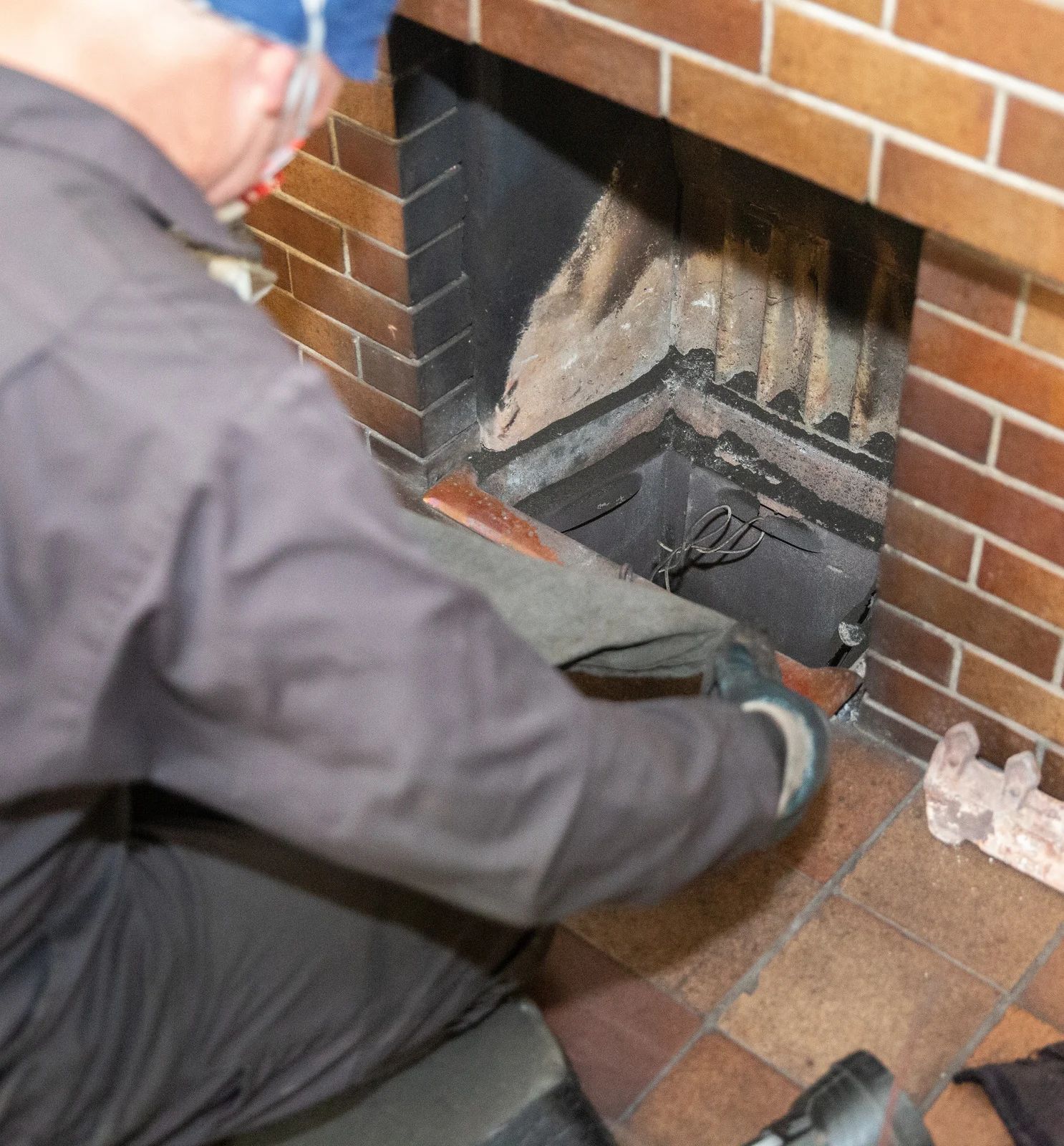
Professional installation. However you choose, a gas stove must be installed correctly and safely, this is not a do-it-yourself project. It's a gas-burning, vented appliance, and proper installation (correct fuel connection, venting, clearances, and setup) is essential for safety and for the stove to perform as it should. Professional installation is a non-negotiable part of the process, and it's also why involving a professional early, when you're choosing, makes sense: they ensure you pick a unit that suits your home and then install it correctly.
Bringing it together, the smart way to choose a gas stove is to work through fuel, venting, and sizing (the practical fit), choose the style and features you want from the stoves that fit, and have it professionally installed. Doing it in that order, and with professional guidance, gets you a gas stove that fits your home, heats the space well, looks the way you want, and runs safely, which is exactly what a smart homeowner is after.
Warning: A gas stove is a gas-burning, vented combustion appliance, and it must be correctly sized, vented, and professionally installed for safety and proper performance, this is not a DIY job. Improper fuel connection, inadequate or incorrect venting, or a poorly installed stove can be genuinely dangerous, including risks like gas leaks and carbon monoxide. It also needs the right fuel type for your home. Don't choose or install a gas stove on looks and guesswork alone; work with a qualified professional to select a unit that fits your home and have it installed correctly and safely.
Frequently Asked Questions
How do I choose the right gas stove for my home?
Work through the practical factors first: the fuel (natural gas or propane, based on what your home has), the venting (what your home can accommodate and where the stove can go), and the sizing (matching the stove's heat output to the space you want to heat). Then choose the style and features you want from the stoves that fit, and have it professionally installed. Matching the stove to your home, not just picking by looks, is the smart approach.
Natural gas or propane, which should I get?
It usually depends on what's available at your home. If you have a natural gas utility line, a natural gas stove makes sense; if you're on propane (common where there are no gas lines), you'll want a propane unit or one configured for it. Stoves are made or set up for a specific fuel, so the choice is largely driven by your home's fuel supply. A professional can help you confirm your situation.
Why is venting so important?
Because a gas stove is a combustion appliance that must safely exhaust its byproducts, and stoves come in different venting configurations. The right venting depends on both the stove and your home, its layout, where the stove will go, and how venting can be run. Venting is essential for safety and determines which stoves and locations are viable, which is why it deserves real attention (and professional assessment) in the decision, not an afterthought.
What size gas stove do I need?
One matched to the space you want to heat. Too small, and it struggles to keep the area comfortable; too large, and it can overheat the room. The right size comfortably heats the intended space. So be clear about what you're heating, one room, an open area, a larger zone, since that drives the output you need. Proper sizing takes some judgment, which is another reason professional guidance helps you get it right.
Can I install a gas stove myself?
No, this isn't a DIY project. A gas stove is a gas-burning, vented appliance, and it must be installed correctly and safely, proper fuel connection, venting, clearances, and setup, by a qualified professional. Improper installation can be dangerous (gas leaks, carbon monoxide, and more). Professional installation is a non-negotiable part of getting a gas stove, both for safety and for the stove to perform properly.
Do looks and features matter, or just the technical stuff?
Both, in the right order. The practical factors (fuel, venting, sizing) determine which stoves actually fit and perform in your home, so start there. Then, among the stoves that fit, you get to choose the style, finish, flame look, and features you want, that's the enjoyable part. The ideal is a stove you love the look of that's also right for your home's fuel, venting, and space, and professionally installed.
Why involve a professional in choosing, not just installing?
Because the key decisions, fuel, venting, and sizing, all depend on assessing your specific home, and getting them right determines whether the stove fits, heats well, and runs safely. A professional can evaluate your fuel supply, what venting your home can accommodate, and the right size for your space, steer you to suitable stoves, and then install the unit correctly. Involving them early means you choose well and install safely.
Choose Smart, Enjoy the Warmth
Choosing a gas stove the smart way means looking past the showroom to the factors that actually matter: the fuel it runs on (natural gas or propane, matched to your home), the venting your home can accommodate, the size matched to the space you want to heat, and then the style and features you want from the stoves that fit. Because a gas stove is a combustion appliance that must be correctly sized, vented, and professionally installed for safety and performance, the smart homeowner pairs these choices with professional guidance and installation. Get the practical fit right, pick the look you love, and have it installed correctly, and you'll have a gas stove that warms your Santa Fe home beautifully and safely for years.
Choose a gas stove that truly fits your home, and have it installed safely — The right choice depends on the proper fuel type, venting options your home can support, correct sizing for the space, and expert installation, not just appearance. Because a gas stove is a combustion appliance, safe installation is essential for reliable performance. With 40
years of experience, Shawn's Chimney Sweep & Stove Company
provides professional
gas stove installation services for homeowners in Santa Fe, New Mexico, helping you choose and install the right stove with confidence. Reach out to discuss your options and find the perfect fit for your home.