Why Professional Chimney Sweeping Is Better Than DIY?
The Hidden Risks of DIY Chimney Sweeping
Limited Access to Dangerous Buildup
Many homeowners believe chimney sweeping only involves removing visible soot from accessible areas near the fireplace opening. In reality, hazardous creosote often develops deep inside the flue liner, smoke chamber, damper system, and upper chimney structure where visibility is extremely limited. DIY chimney cleaning tools sold in stores may remove loose debris, but they often fail to address hardened creosote deposits attached to interior surfaces.
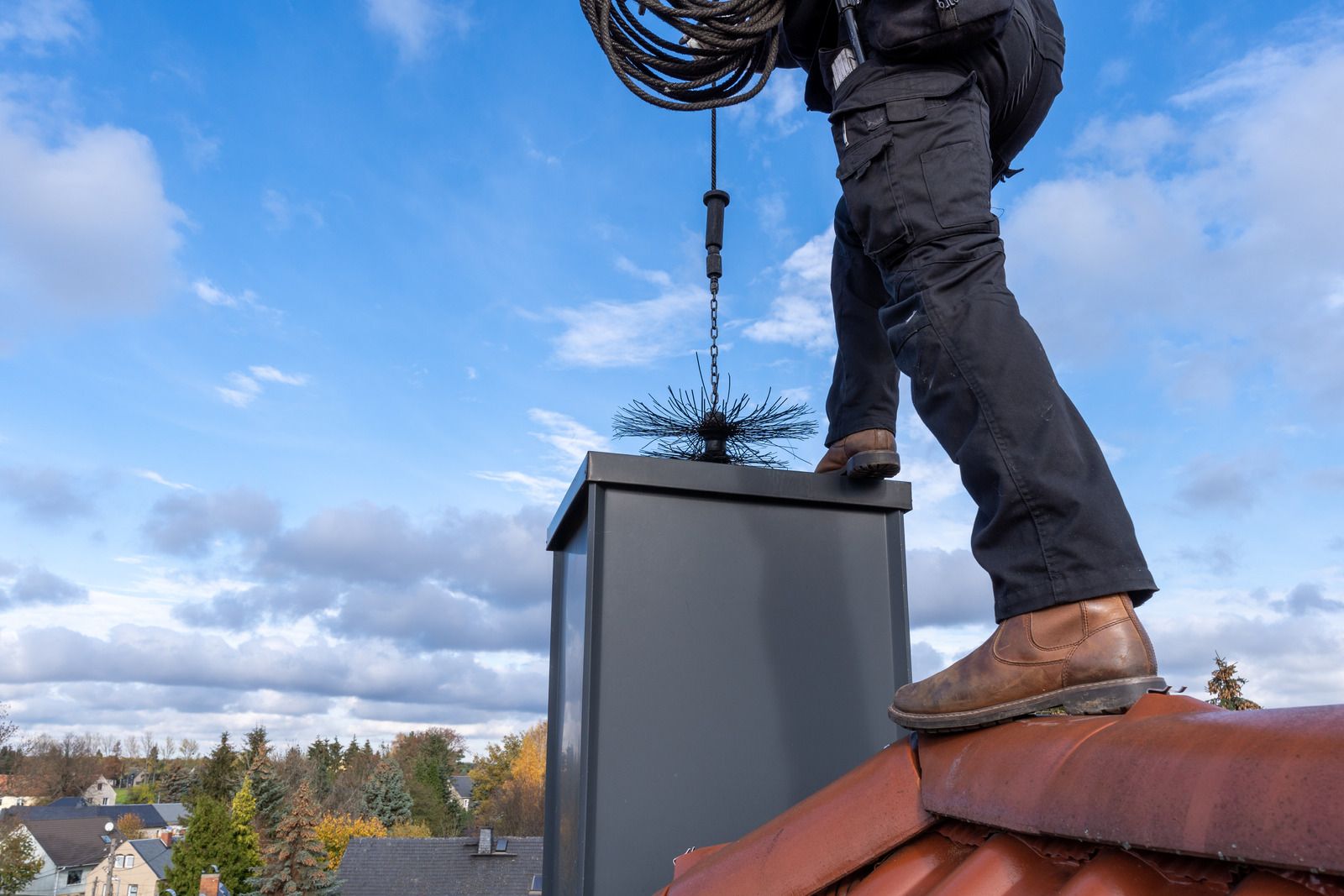
Creosote is highly flammable and develops naturally from wood-burning smoke. When layers continue building inside the chimney, temperatures can rise rapidly during fireplace use and create chimney fires. Professional chimney sweeping uses specialized rotary brushes, industrial vacuums, inspection cameras, and advanced cleaning methods designed to remove buildup throughout the entire system rather than only accessible sections.
Safety Hazards During Cleaning
DIY chimney sweeping also exposes homeowners to avoidable safety risks. Roof access creates fall hazards, especially on steep surfaces or during wet and icy conditions. Poor ventilation during cleaning may expose homeowners to soot particles, ash residue, and harmful contaminants released into indoor air. Inexperienced handling of cleaning equipment can also damage chimney liners, fireplace components, or masonry surfaces.
Professional chimney technicians follow established safety procedures while using protective equipment and specialized tools designed for chimney systems. This reduces the chance of injury while protecting the structural condition of the fireplace and venting system.
Missed Structural Warning Signs
One of the biggest problems with DIY chimney maintenance involves overlooking structural deterioration. Small cracks, damaged liners, moisture intrusion, deteriorating mortar joints, and damaged flashing are not always visible to untrained homeowners. These problems often begin gradually and worsen over time.
Professional chimney sweeping includes inspection procedures that help identify hidden issues before they create major structural damage or fire hazards. Early detection helps homeowners avoid more expensive repairs later.
Professional Chimney Sweeping Improves Fire Safety
Creosote Removal Reduces Chimney Fire Risks
One of the primary reasons professional chimney sweeping remains essential is fire prevention. Creosote buildup is responsible for many residential chimney fires each year. Even a small amount of hardened creosote can ignite under high temperatures and spread flames rapidly through the chimney structure.
Professional chimney sweeps understand how different fuel types, burning habits, ventilation conditions, and appliance designs influence creosote formation. This knowledge allows technicians to remove dangerous buildup thoroughly while identifying conditions contributing to excessive accumulation.
For example, burning unseasoned wood often creates heavier smoke and faster creosote buildup. Restricted airflow, damaged dampers, and improper burning temperatures can also worsen accumulation. Professional inspections help homeowners understand these contributing factors and improve fireplace safety practices.
Professional Inspections Detect Hidden Fire Hazards
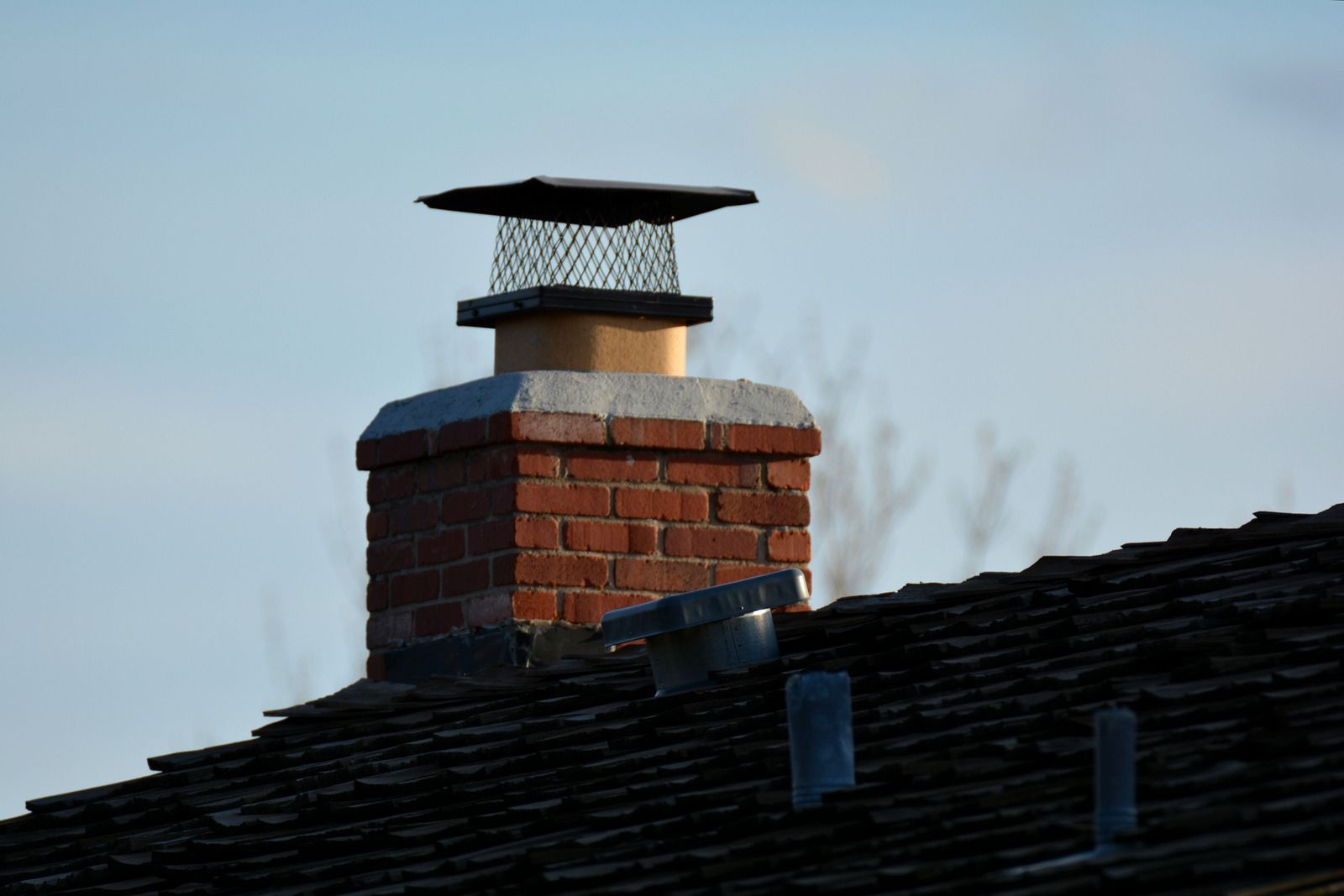
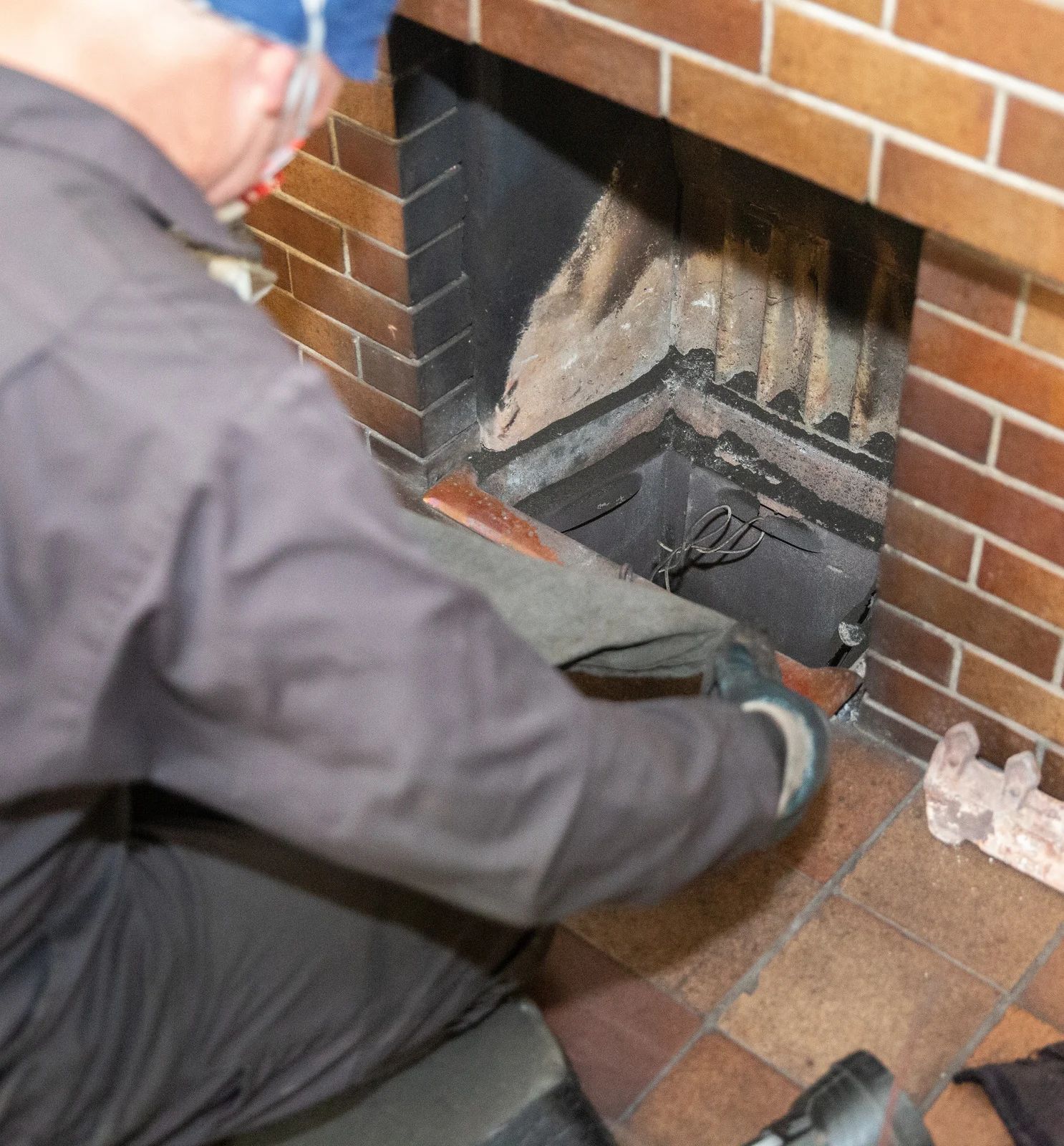
Professional chimney sweeping also includes detailed inspection procedures that go beyond cleaning. Technicians evaluate flue liners, chimney caps, masonry surfaces, smoke chambers, crowns, dampers, and ventilation systems to identify conditions that may increase fire risk.
Common hidden hazards include:
- Cracked flue liners
- Damaged chimney crowns
- Animal nesting materials
- Blocked ventilation pathways
- Water damage weakening chimney structure
- Excessive soot accumulation
- Deteriorating masonry joints
DIY cleaning methods rarely provide the visibility or expertise needed to identify these concerns properly.
Proper Equipment Produces Better Results
Professional chimney sweeping equipment is designed specifically for deep chimney cleaning and safety inspections. Rotary brushes, commercial vacuum systems, video inspection technology, and specialized scrapers remove buildup more thoroughly than standard homeowner tools.
This level of cleaning helps improve fireplace performance while lowering the likelihood of future fire hazards developing inside the system.
Professional Service Protects Indoor Air Quality
Poor Ventilation Creates Health Concerns
A neglected chimney affects more than heating performance. Restricted airflow can push smoke, soot particles, and combustion gases back into the home instead of venting outdoors. This creates indoor air quality problems that may affect respiratory health and overall comfort.
DIY chimney cleaning often fails to remove deep blockages caused by creosote, animal nests, leaves, or collapsed materials inside the flue. Incomplete cleaning may leave airflow restrictions unresolved even when the fireplace appears clean near the opening.
Professional chimney sweeping removes obstructions throughout the system while ensuring smoke exits the property properly during fireplace operation.
Carbon Monoxide Risks Increase With Blockages
One of the most serious chimney-related dangers involves carbon monoxide exposure. Improper ventilation may allow this odorless gas to accumulate indoors when combustion gases cannot escape correctly.
Professional chimney technicians inspect ventilation pathways carefully and identify conditions contributing to drafting problems or restricted airflow. Addressing these issues helps improve household safety while supporting healthier indoor air conditions.
Cleaner Chimneys Reduce Odors and Residue
Dirty chimneys often create lingering smoke odors inside the home, particularly during humid weather or seasonal temperature changes. Creosote residue can produce strong unpleasant smells that spread through living spaces even when the fireplace is not in use.
Professional sweeping removes odor-causing buildup more thoroughly than most DIY methods. Clean chimney systems also reduce the amount of soot residue released into surrounding rooms during fireplace operation.
Long-Term Cost Savings of Professional Chimney Sweeping
Preventive Maintenance Reduces Expensive Repairs
Some homeowners avoid professional chimney service because they believe DIY cleaning saves money. However, neglected maintenance frequently results in higher long-term costs due to preventable damage.
Moisture intrusion, liner deterioration, masonry damage, and chimney fires often begin as small problems that remain unnoticed without professional inspection. Addressing these issues early typically costs far less than major reconstruction or emergency repairs later.
Routine professional sweeping helps preserve chimney structure and extend the lifespan of fireplace systems.
Improved Efficiency Supports Better Heating Performance
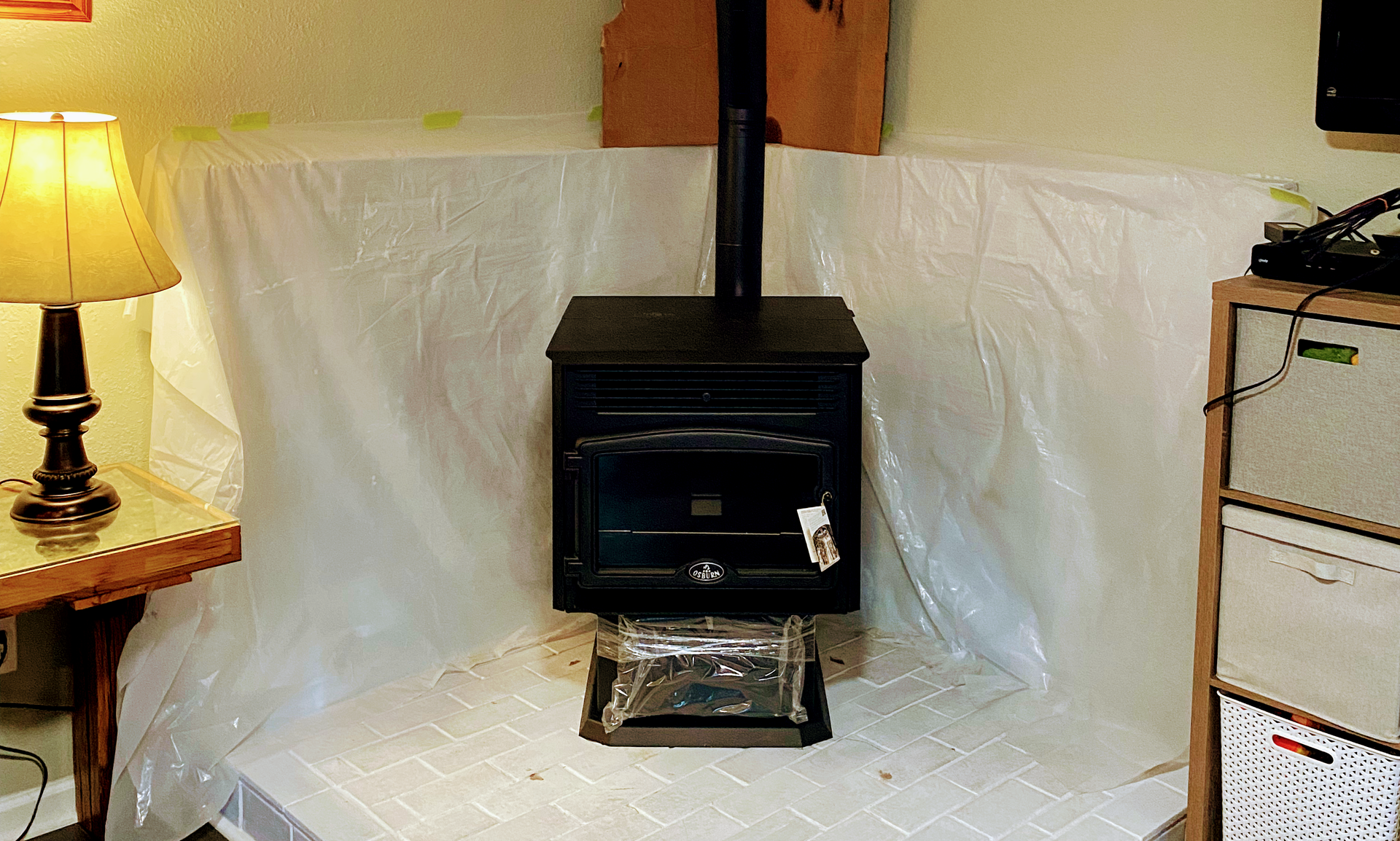
A clean chimney allows fireplaces and wood stoves to operate more efficiently by improving airflow and combustion performance. Restricted systems force heating appliances to work harder while producing less heat output.
Professional chimney sweeping removes buildup interfering with proper drafting and ventilation. Improved efficiency may help reduce fuel waste while supporting more comfortable indoor heating conditions during colder months.
Insurance and Liability Considerations
Homeowners insurance providers may also consider chimney maintenance records after fire-related claims. Lack of professional inspection or maintenance documentation could complicate certain claims involving chimney fires or neglected systems.
Professional chimney sweeping provides homeowners with documented maintenance history that demonstrates responsible property care and safety compliance.
Professional Chimney Sweeping Provides Greater Peace of Mind
Homeowners Gain Confidence in System Safety
One of the biggest advantages of professional chimney sweeping involves peace of mind. Knowing the chimney system has been properly cleaned and inspected by trained professionals helps homeowners feel more confident using fireplaces and wood stoves during colder seasons.
DIY cleaning may leave uncertainty about whether hidden buildup, ventilation restrictions, or structural damage still remain inside the system.
Scheduled Maintenance Encourages Better Home Protection
Routine professional service also helps homeowners stay proactive with property maintenance. Scheduled chimney inspections encourage early problem detection before conditions escalate into emergencies or major repair projects.
Professional maintenance plans support safer fireplace operation year after year while protecting surrounding structural components from avoidable damage.
Reliable Recommendations Improve Decision-Making
Professional chimney technicians can provide homeowners with practical recommendations regarding safe burning practices, moisture prevention, chimney cap protection, liner upgrades, and seasonal maintenance needs.
This guidance helps homeowners make informed decisions based on system condition, appliance performance, and long-term property protection goals.
Trusted Chimney Service Helping Prevent Costly Fireplace Damage
Professional chimney sweeping offers far more protection than basic surface cleaning performed through DIY methods. Thorough inspections, advanced equipment, experienced evaluation, and proper safety procedures all contribute to safer fireplace operation and improved home protection. While homeowners may successfully remove small amounts of visible soot, hidden creosote buildup, ventilation restrictions, moisture damage, and structural deterioration often remain unnoticed without professional service. These hidden conditions can increase fire risks, reduce heating performance, and create costly long-term repairs if left unresolved.
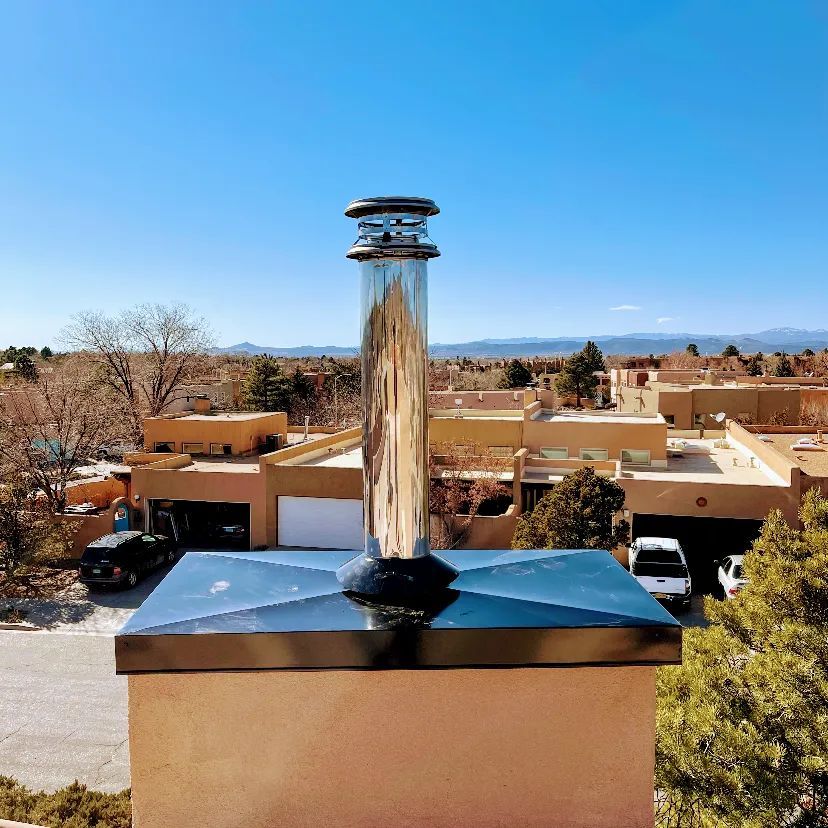
For homeowners seeking dependable chimney maintenance and fireplace safety solutions, Shawn's Chimney Sweep & Stove Company
in Santa Fe, New Mexico provides trusted chimney sweeping services backed by 40
years of industry experience. We focus on detailed chimney inspections, thorough cleaning methods, fireplace safety evaluations, and long-term chimney protection designed to support safer residential heating systems. Our experience allows us to identify hidden chimney concerns, improve system performance, and help homeowners reduce fire hazards before serious problems develop. We understand the importance of maintaining safe, clean, and properly functioning chimney systems throughout every season.