Top Signs It’s Time to Schedule a Chimney Cleaning
Quick Answer: The clearest signs a chimney needs cleaning are a campfire or tar-like smell when no fire is lit, black soot or debris dropping into the firebox, smoke spilling into the room instead of drawing up, and visible creosote buildup on the flue walls. A shiny, glazed black coating on the damper is a more urgent warning. The National Fire Protection Association recommends an inspection every year, with a cleaning whenever creosote reaches about an eighth of an inch. When several of these signs show up at once, book a sweep before your next fire.
1. A Smoky or Tar-Like Odor With No Fire Burning
A distinct campfire smell drifting from the fireplace on a warm day, when nothing is lit, usually points to creosote. Creosote is the dark, sticky residue that coats the flue every time wood burns, and it carries a strong odor that gets more noticeable as it accumulates. Warm, humid weather can make the smell stronger. If the hearth greets you with that scent before you have lit a single fire, the flue is holding more buildup than it should.
2. Soot or Debris Falling Into the Firebox
Small flakes of black, sooty material collecting in the firebox between fires are a direct sign of creosote breaking loose from the flue walls above. Non-wood debris, like bits of nesting material or fragments of the flue liner, points to a different problem: a blockage or a deteriorating chimney that needs both a cleaning and a closer look. Either way, material coming down on its own means there is plenty up there that should come out.
3. Smoke Spilling Back Into the Room
A chimney that drafts well carries smoke straight up and out. When smoke drifts back into the room, hangs around the firebox, or refuses to clear, the flue is not moving air the way it should. Creosote narrowing the passage, or a blockage higher up, is a common cause. Beyond the mess and the smell, poor draft also means combustion byproducts are not leaving the home the way they need to.
WARNING: A blocked or heavily fouled flue can let carbon monoxide back up into living space. Carbon monoxide is colorless and odorless, so working detectors on every level of the home are a basic safeguard, and persistent smoke or draft trouble is a reason to stop using the fireplace until it is checked.
4. Visible Creosote on the Flue Walls
You can check for buildup yourself with a flashlight. Shine it up the flue from the firebox, or down from the top if you have safe roof access, and look at the interior walls. A layer of creosote thicker than about an eighth of an inch is the widely used threshold for scheduling a cleaning. At that thickness, there is enough fuel lining the chimney to sustain a flue fire if it ignites.
5. Shiny, Glazed Black Deposits
Glazed creosote. Not all creosote looks the same. In its most stubborn form, it hardens into a shiny, tar-like glaze on the damper and flue walls. This stage is highly flammable and very difficult to remove without professional rotary tools. A store-bought cleaning log will not touch it.
Treat this one as urgent. If you see that glossy black coating, stop using the fireplace and schedule a sweep. This is the kind of buildup most closely associated with chimney fires, and it will not clear on its own.
6. Trouble Starting or Keeping a Fire Going
A fire that will not catch, smolders, or keeps dying back can be the chimney's fault rather than the firewood's. Restricted airflow from creosote or a partial blockage starves the fire of the draft it needs to burn cleanly. If your usual dry wood and reliable method suddenly stop working, the flue is a likely suspect.
7. Signs of Animals or Nesting
Birds, squirrels, and other small animals see an uncapped or damaged chimney as shelter. Scratching or fluttering sounds, an unusual smell, or nesting debris in the firebox all point to an intruder and a possible blockage. A sweep clears the obstruction, and it is a good moment to talk about a chimney cap or spark arrestor to keep the next visitor out.
8. It Has Been More Than a Year
Even a lightly used fireplace collects debris, moisture, and the occasional animal over a year, and buildup from a heavy burning season does not clear itself. The National Fire Protection Association advises an annual inspection for that reason, with a cleaning scheduled as needed. If you cannot remember the last time a professional looked at the flue, that alone is reason enough to book one.
TIP: The best window to schedule chimney cleaning is late summer through early fall, before the heating season begins. Booking ahead of the first cold snap means the system is ready when you want it and you avoid the rush that hits every sweep once the temperature drops.
Why a Professional Sweep Matters
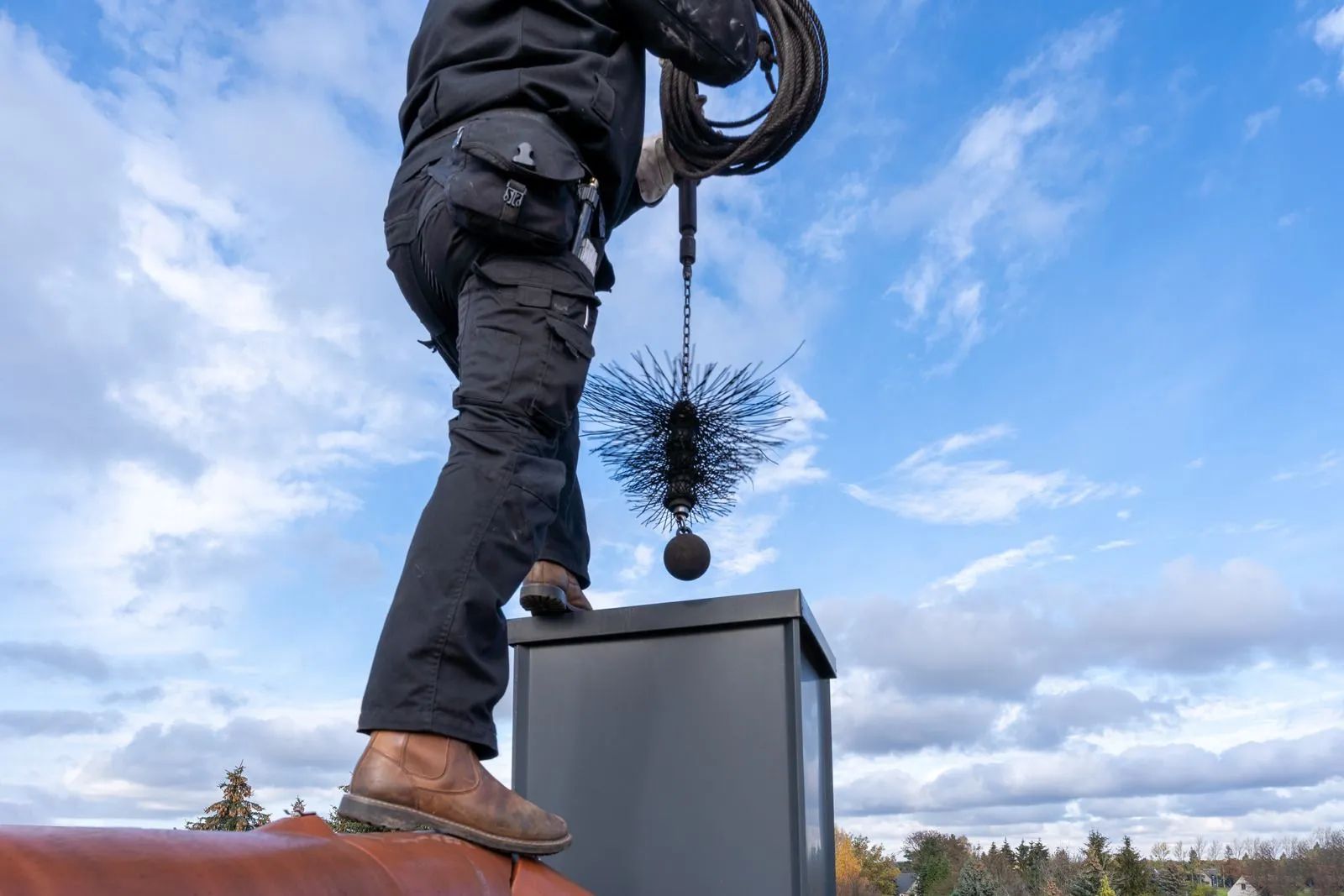
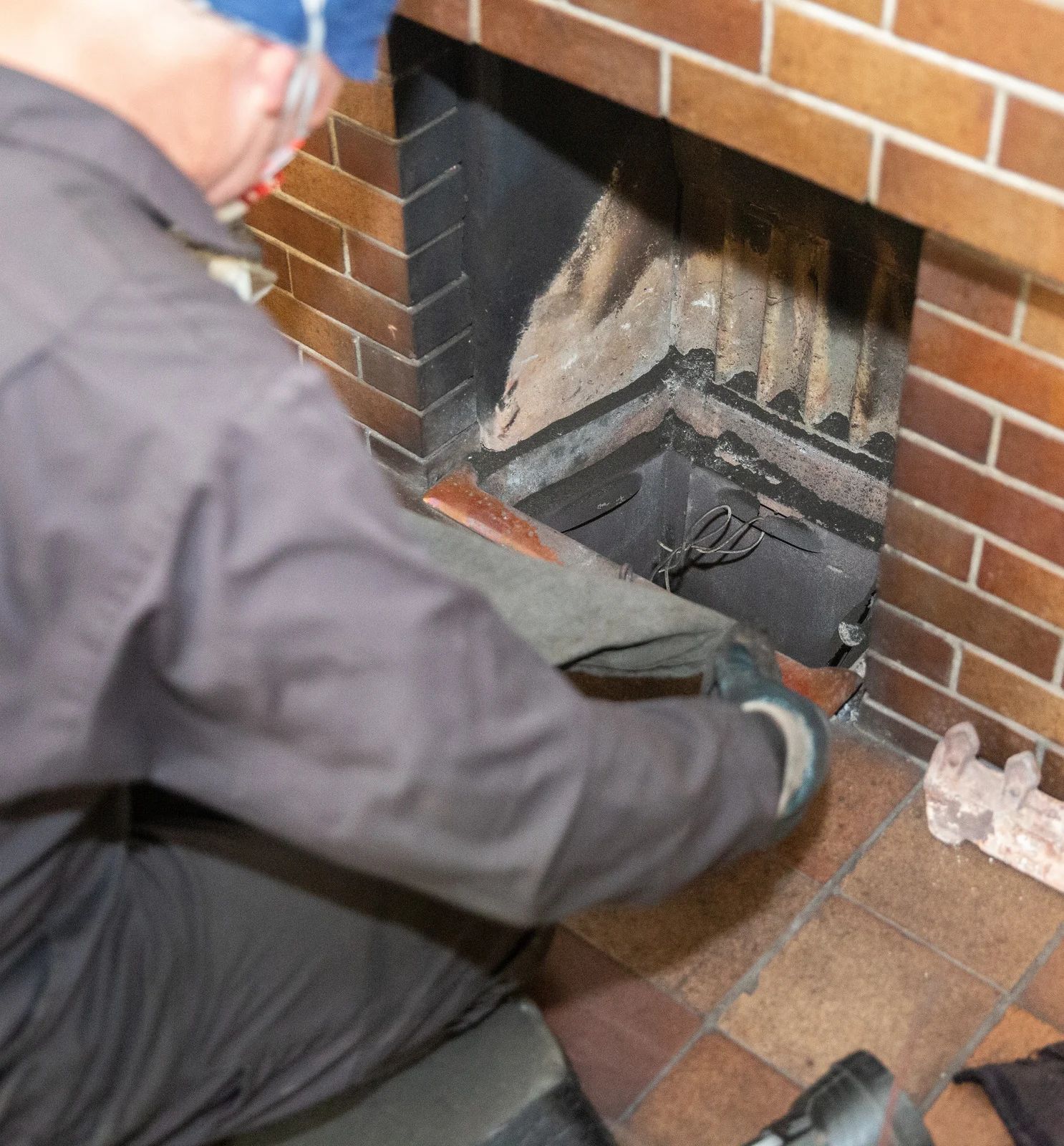
A trained sweep does more than remove soot. The visit is also an inspection: a chance to catch a cracked liner, a failing cap, moisture damage, or early creosote glazing before any of it becomes a larger repair. Doing the job from the roof is also genuinely hazardous, and falls are a real risk for homeowners attempting it themselves. A certified technician has the tools, the training, and the containment gear to clean the flue thoroughly and leave the room as tidy as it was found.
Frequently Asked Questions
How often should a chimney be cleaned?
The National Fire Protection Association recommends an inspection every year, with a cleaning whenever creosote reaches about an eighth of an inch. Homes that burn wood often, more than a few times a week during the season, or that burn softer woods like pine, may need cleaning more than once a year. An annual inspection is the baseline even for lightly used fireplaces.
What is the difference between a chimney inspection and a chimney cleaning?
An inspection is an examination of the chimney's condition, checking the liner, damper, cap, and structure for damage or buildup. A cleaning removes the creosote, soot, and any debris from the flue. A professional visit usually includes an inspection alongside the sweep, so problems get spotted at the same time the flue is cleared.
Can I clean my chimney myself?
You can knock down some loose soot with a store-bought brush, but a do-it-yourself effort tends to miss glazed creosote, hidden blockages, and structural issues a trained eye would catch. Working on the roof also carries a real fall risk. For a thorough result and a proper inspection, a certified sweep is the safer route.
Does a gas fireplace need cleaning too?
Gas appliances do not produce creosote, but they still need annual attention. Vents can collect debris, develop corrosion, or attract nesting animals, and a blocked vent creates the same carbon monoxide concern as a wood system. An annual inspection keeps a gas fireplace venting safely.
When is the best time of year to schedule a sweep?
Late summer and early fall, before the heating season starts, are ideal. Booking then means the chimney is clean and ready for the first cold night, and you skip the backlog that builds up once everyone starts lighting fires. Scheduling off-season also makes it easier to fit in any repairs the inspection turns up.
What exactly is creosote and why is it dangerous?
Creosote is the dark residue left on flue walls when wood burns, and it ranges from a light, flaky layer to a hard, glossy glaze. It is highly flammable, which is why buildup is the leading contributor to chimney fires. Regular cleaning keeps it from reaching a thickness that can catch and burn.
Knowing When Your Chimney Needs Professional Attention
A chimney gives plenty of warning before it becomes a hazard. The odor on a mild afternoon, the flakes gathering in the firebox, the smoke that drifts back instead of rising, and the fire that struggles to stay lit are each a quiet request for attention. Noticing them early keeps a simple sweep from turning into a costly repair, and it keeps your fireplace ready for the cold high-desert nights when you most want its warmth to fill the room.
Pairing that awareness with a yearly
professional inspection
is the surest way to keep the whole system safe. Shawn's Chimney Sweep & Stove Company
has served Santa Fe, NM homeowners for 40
years, and that experience shows in the small things a trained sweep catches early: a hairline liner crack, a failing cap, or the first glaze of creosote on the flue. With those habits in place, the fireplace stays a comfort rather than a worry, ready for whatever the long high-desert winter brings.