Boost Your Home’s Heating Efficiency with a Proper Chimney Draft
Quick Answer: A wood-burning fireplace or stove only delivers real heat into the room when the chimney is pulling hot combustion gases up and out at the right rate. That pull is called draft, and it depends on flue temperature, chimney height, the cap and liner being clear and intact, and a damper that opens fully and seats tightly when closed. When any one of those is off, more of your fire's heat rides the smoke straight out the top of the house instead of warming the living room, and you end up burning more wood for less comfort. A sweep and inspection checks each of those factors and corrects the ones that are dragging your draft down.
What Draft Actually Does for Your Heating Efficiency
Every fire needs two things moving together: air feeding the flames, and exhaust leaving fast enough to keep pulling more air behind it. Draft is what makes both happen. Hot gas in the flue is lighter than the cool air outside, so it rises, creating a pull that draws fresh air into the firebox and pushes spent gas out the top. Two things control that pull: how hot the flue gas stays compared to outside air, and how tall the chimney is. Taller and hotter both mean stronger draft.
This directly affects how much heat reaches the room. Weak draft can't pull air in fast enough for clean combustion, so wood smolders instead of burning bright, and more fuel turns into smoke than usable heat. Strong, properly matched draft burns efficiently and moves exhaust out before that heat is wasted lingering in the flue. The difference between a weak-draft fireplace and a properly restored one can mean noticeably more warmth in the room, even burning the same amount of wood.
There's a balance point, though. Too weak starves the fire. Too strong pulls heated house air up the chimney faster than needed, cooling the fire and wasting conditioned air even when nothing's burning. The goal isn't maximum draft, it's draft matched to the appliance and how you actually use it.
What Weak or Unbalanced Draft Looks Like in Your Living Room
Draft problems tend to show up as a set of recurring complaints rather than one obvious issue. Watch for these together:
Smoke spillback is the clearest sign. If smoke curls into the room instead of pulling straight up when you open the damper, the chimney isn't generating enough pull to overcome resistance in the system. This can happen just at startup while the flue is still cold, or persist through the whole burn if something structural is limiting draft.
A fire that's slow to catch, even with good kindling and dry wood, points the same direction. A cold flue, especially after sitting unused in freezing weather, hasn't built enough temperature difference to generate draft yet. That's normal and usually self-corrects as the flue warms. But if it happens every time or never fully corrects, something is limiting how much heat the flue can hold.
Soot building up fast on the glass signals incomplete combustion, usually from insufficient draft. Without enough air moving through the firebox, wood smolders instead of burning fully, and the unburned byproducts condense on the coolest nearby surface, the glass. Blackened glass isn't a cleaning problem. It's a combustion problem.
A cold draft flowing down into the room when nothing's burning is related but different. It usually means the chimney is cooling too fast between uses, running through an unheated part of the house, or getting overpowered by air leaks elsewhere in the building turning the whole house into a stronger "chimney" than the flue itself.
Tip: Before your first fire of a cold snap, hold a lit match or a thin stick of incense near the open damper for a few seconds. If the smoke pulls up and away cleanly, your flue already has enough draft established to get the fire going without spillback. If it hangs in the room or drifts back at you, warm the flue first with a few sheets of twisted newspaper burned right at the damper opening before you build the main fire. This gets a small column of hot air moving in the flue and can prevent that first-minutes-of-smoke problem that's common on the coldest mornings.
How Chimney Height and Flue Diameter Set the Ceiling on Your Draft
Two dimensions largely determine how much draft a chimney can produce before you even light a match: how tall the system is, and how the flue's diameter compares to the appliance it serves.
Height works in your favor almost every time. Taller chimneys build more draft at the same gas temperature, since there's a longer column of hot air pulling behind it. Most systems clear the minimum height needed, but additions, single-story sections, and shallow roof lines can sometimes leave a chimney shorter than it should be. When height is already borderline and something else, like a blockage or damaged liner, is also cutting into draft, the two problems compound.
Diameter is where older or modified fireplaces often run into trouble. The flue has to match the appliance, not just be "big enough." An oversized flue actually works against you, since the same volume of gas moves slower through a larger opening, loses more heat, and cools faster, weakening draft and speeding up creosote buildup. An undersized flue chokes airflow, causing backdrafting and incomplete combustion. A properly sized flue sits between those extremes, and that's what a qualified inspection checks for.
Elevation matters too. Santa Fe's thinner air carries less oxygen into the firebox and less mass through the flue for a given draft pressure. A chimney sized without accounting for elevation runs closer to the edge of adequate draft, which is why borderline systems tend to show symptoms sooner in high-desert homes than at sea level.
What the Damper Is Actually Doing to Your Draft and Your Heating Bill
The damper is the one draft component you interact with directly, and it plays two separate roles. While a fire is burning, it needs to open fully so it isn't throttling the draft the fire needs to burn clean. A damper that only opens partway, from a bent frame, broken lever, or soot buildup, restricts airflow the same way an undersized flue does, causing the same smoldering, sooty-glass symptoms.
The second role matters when there's no fire burning. A damper that doesn't seal tightly leaves a gap for heated house air to escape up the flue around the clock, whether or not the fireplace gets used. In a cold climate, that's conditioned air leaking out through a gap you can't see. Homeowners often notice this as a room near the fireplace that feels drafty even in months it's never lit.
Both get checked during inspection but fixed differently. A damper that won't open fully usually needs cleaning or hardware replacement. One that won't seal often points to warping or a mismatch with the flue opening, and a top-mount damper sometimes seals better than an aging throat damper ever will.
How a Professional Sweep and Inspection Restores Proper Draft
Restoring draft usually isn't a single fix. It's a sequence of checks that identifies which factor, or combination of factors, is dragging performance down in your specific system.
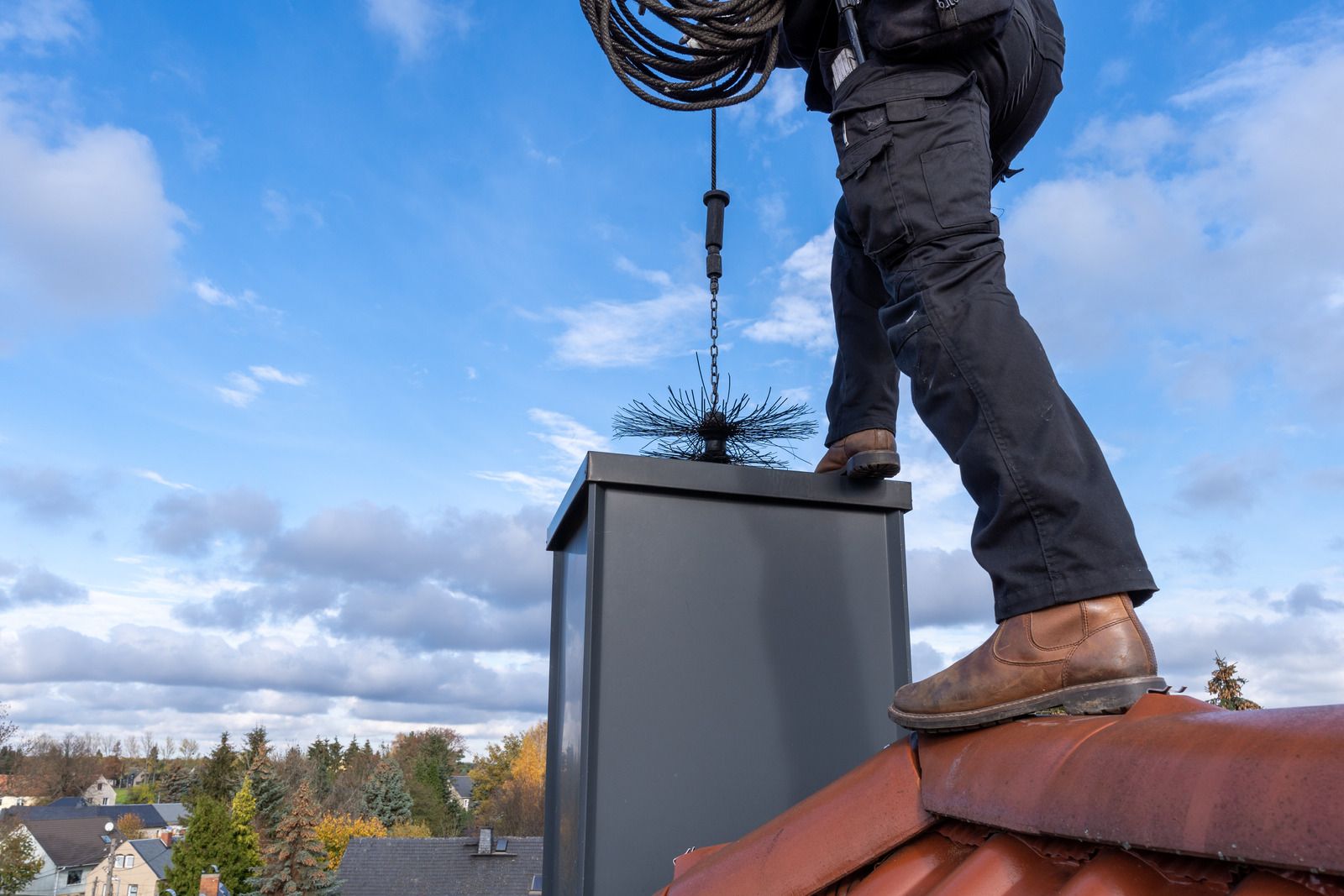
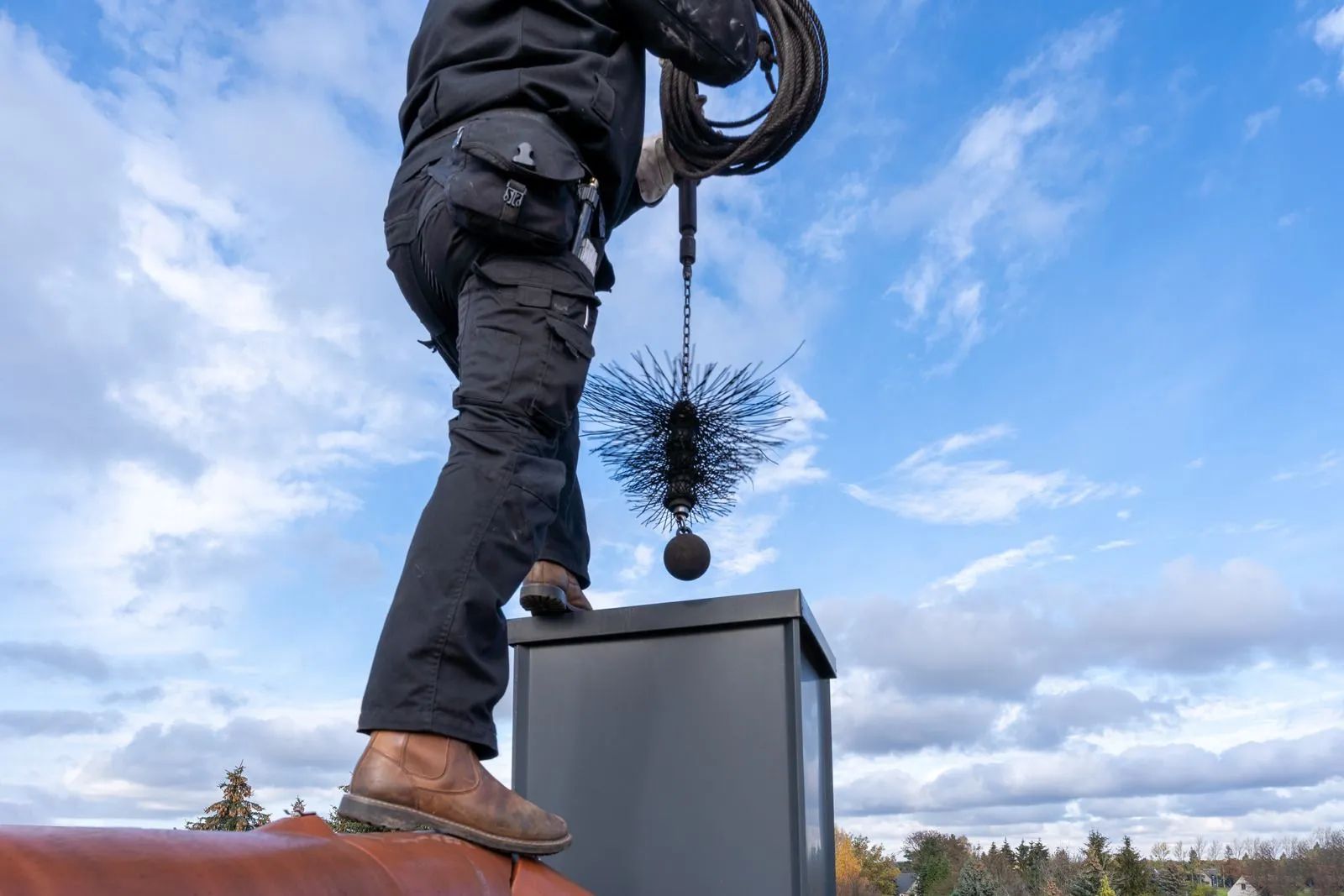
A sweep clears the soot and creosote built up along the flue walls over a season. Even a modest layer narrows the effective diameter and roughens the surface gas has to move across, reducing draft and slowing heat transfer. That step alone resolves a good share of weak-draft calls every fall, since the flue was simply carrying more restriction than it was designed for.
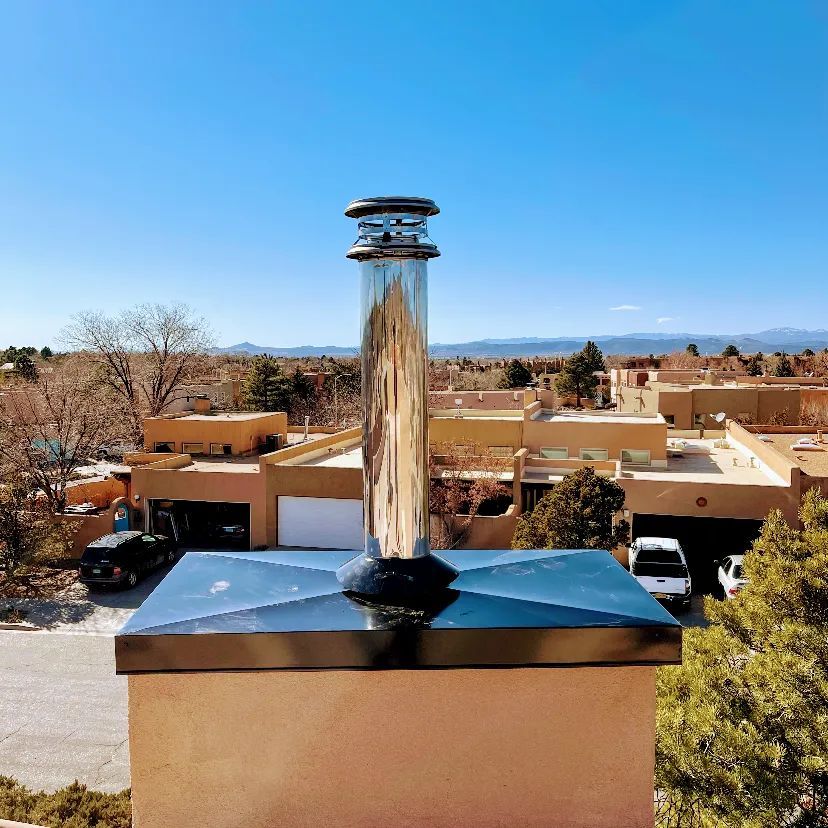
An inspection goes further: checking the liner for cracks, confirming the cap is present and unobstructed, testing the damper for full range of motion and a tight seal, and using video inspection where needed to catch structural issues a visual check can't. It's also where a technician confirms the flue is actually sized right for the appliance connected to it, rather than assuming a decades-old chimney is still a good match.
The goal throughout: a flue that heats up quickly, holds that temperature through the burn, and moves exhaust out fast enough to keep pulling clean air in, without wasting heated house air when nothing's burning. Once that balance is restored, the same wood produces a warmer room, a cleaner burn, and less soot to deal with.
Frequently Asked Questions
Does a bigger chimney always mean better draft?
No. A flue oversized for the fireplace produces weaker draft, since the same gas volume moves slower through the larger opening and loses heat faster rising. Flues must match the appliance, not fill the chase.
Why does my fireplace only smoke when I first light it, not the rest of the burn?
This is usually a cold-flue issue, not a structural problem. A cold flue hasn't built the temperature difference needed for draft. Once the fire warms it, draft strengthens and smoking stops. Otherwise, have it inspected.
Can weather affect my chimney's draft even when nothing's changed about the fireplace itself?
Yes. Wind speed and direction, barometric pressure, and temperature difference all affect draft strength daily, so the same fireplace performs differently night to night. A well-sized cap reduces wind turbulence, though some variation is normal.
Does closing the damper partway during a fire help control the burn?
It can, within limits. Closing the damper too far starves the fire of air, increasing smoke and soot on the glass. A matched damper and seasoned wood give better burn control than choking it alone.
Is a whole-house draft problem, like a drafty second floor, related to my chimney draft?
They're related but separate. Chimney draft is specific to the flue; whole-house stack effect comes from leaks in the building envelope. Upper-level leakage can overpower a poorly insulated chimney, pulling air down instead of up.
Restoring Proper Draft Means a Warmer, More Efficient Home
Weak or unbalanced draft rarely announces itself clearly. It shows up instead as smoke that won't pull away, glass that blackens too fast, or a room that never quite warms despite a roaring fire. Each of these points back to the same set of factors working together: flue temperature, chimney height and sizing, damper function, and the condition of the cap and liner. Understanding how these pieces interact makes it easier to recognize when something's off long before the problem becomes serious.
For homeowners in Santa Fe, NM, thinner high-altitude air makes proper draft even more important, since there's less oxygen available to support clean combustion. With 40
years of experience diagnosing these systems, Shawn's Chimney Sweep & Stove Company
looks at flue temperature, structural condition, and airflow together rather than treating each symptom separately. A fireplace that's drafting correctly burns cleaner, wastes less wood, and sends the heat it produces into the room instead of up and out the chimney.