How to Extend the Life of Your Wood or Pellet Stove
Quick Answer: A wood or pellet stove lasts longest when you burn dry fuel, keep the fire hot enough to burn clean, never overfire it, and check the parts that wear first: door gaskets, firebrick, baffles, and glass seals. Pellet stoves also need regular ash removal and blower cleaning. Add a yearly chimney sweep and inspection of the stovepipe and flue, because creosote and soot corrode metal and shorten the life of everything connected to the stove.
Why Stoves Wear Out Before They Should
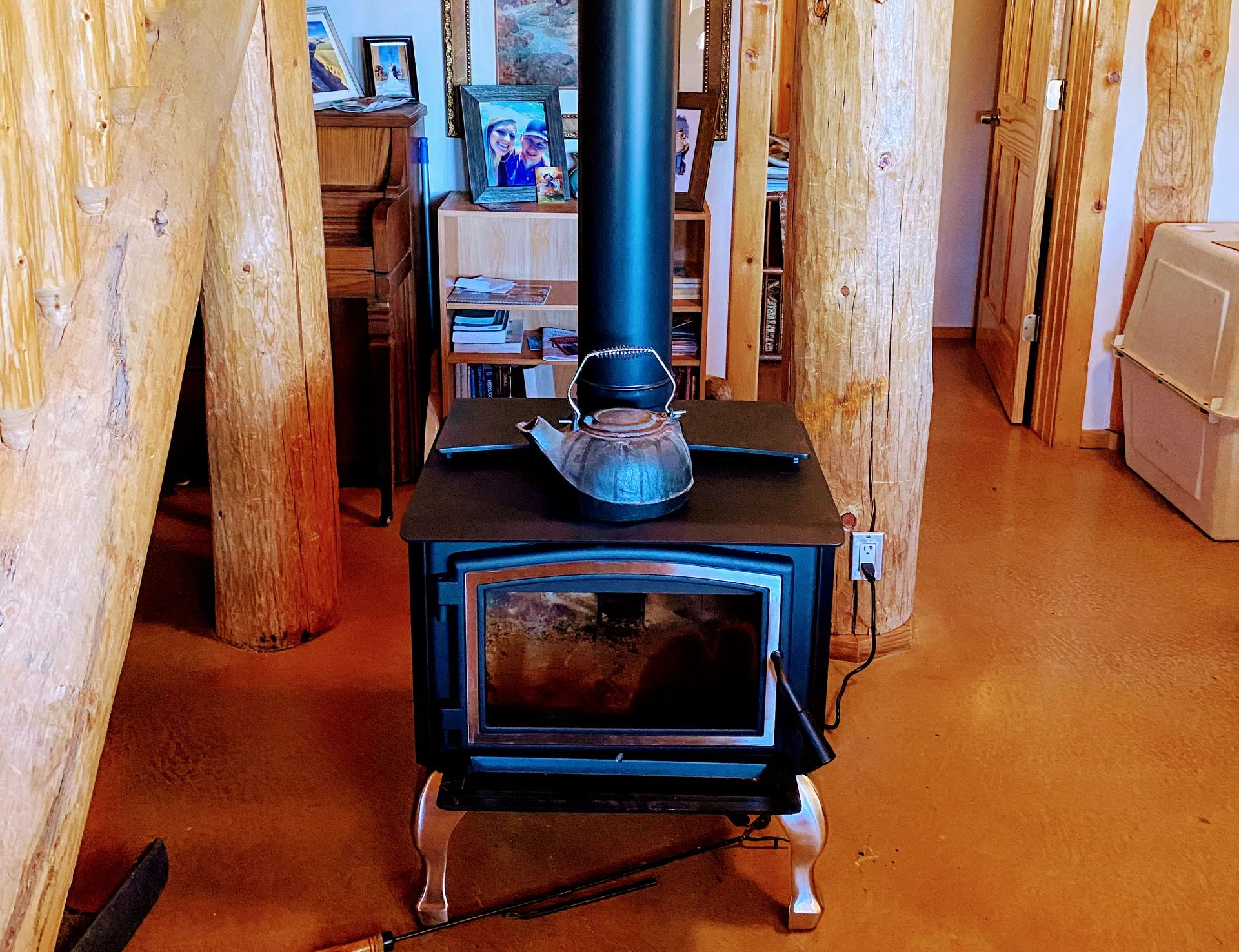
A stove is a controlled fire in a metal box, and that box takes a beating. Interior surfaces swing from room temperature to several hundred degrees within an hour, then cool down again overnight. Every cycle makes the metal expand and contract. Gaskets compress, firebrick shifts, and welds and joints are stressed a little each time.
Add in the byproducts of combustion. Smoke from a smoldering fire carries moisture, acids, and tars that settle on cool metal and inside the stovepipe. Over a few seasons, that residue eats away at steel and builds up in places you can't easily see. A stove that burns clean and hot sees less of this damage, and a stove that is cleaned and checked on a schedule gets its small problems found before they become large ones.
Think of stove life as a combination of three things: what you feed it, how you run it, and how well you maintain it. The rest of this guide takes them in that order.
Start With Dry, Properly Seasoned Fuel
Fuel is the single biggest lever you control. Wood that still holds moisture burns cooler, throws off more smoke, and leaves more creosote on the inside of your stovepipe and chimney. The steam and acids that come from wet wood also attack the interior of the firebox. Burning wet wood is a bit like running an engine on dirty fuel. It works for a while, and then the parts start to suffer.
Firewood should be split, stacked off the ground, and given time to dry. Many homeowners in the Santa Fe area burn piñon, juniper, and oak, and the dry high desert air helps firewood season faster than it would in a humid climate. Even so, a log cut last spring and left in a pile under snow and rain is not the same as a split, covered, ventilated stack. A moisture meter, takes the guessing out. Look for wood that feels light for its size, has cracks in the ends, and makes a sharp, hollow sound when two pieces are knocked together.
For pellet stoves, fuel quality matters just as much. Pellets that have absorbed moisture crumble, produce more ash, and can jam the feed system. Store bags off the floor, indoors or under cover, and avoid using the crumbly dust at the bottom of the bag.
Tip: Keep a small supply of kindling and a few days of firewood inside the house for at least a day before burning it. Wood that has warmed to room temperature lights faster and burns cleaner during the first critical minutes, which is when a cold stove produces the most smoke.
Burn Hot Enough to Burn Clean, Never Hot Enough to Damage
Many owners shut down the air supply to make a load of wood last all night. It feels efficient, but a starved fire smolders. Smoldering produces smoke, tar, and creosote, which coat the stove, the connector pipe, and the chimney. A better habit is to let each load burn hot and bright for the first part of its life, then reduce the air gradually once the wood has established a good bed of coals.
The opposite mistake does just as much harm. Overfiring means running the stove hotter than it was designed to run. Signs include a stovepipe that glows or turns a dull red, paint that blisters or burns off, and warped or cracked interior parts. Cast iron cracks and steel plates warp when they are pushed past their limits again and again. Common causes are burning very dry wood with the air wide open, leaving the door cracked, running with leaky joints that feed the fire extra air, and burning materials that don't belong in a stove, such as construction scraps or treated lumber.
Use the owner's manual for your model as the final word on loading sizes and air settings. A stove thermometer on the surface or stovepipe is an easy way to see whether you are in the right range, and it helps you learn how your particular stove behaves.
The Parts That Wear First: Gaskets, Firebrick, Baffles, and Glass
Even a well run stove has parts designed to wear and be replaced. Checking them each year is the most reliable way to avoid damage to the larger parts.
Door and Glass Gaskets
The rope gasket around the loading door and the glass is what keeps a controlled burn controlled. When the gasket flattens or frays, outside air leaks in, the fire runs hotter than you intend, and you lose control of the burn rate. A quick test when the stove is cold: close the door on a strip of paper or a dollar bill and pull gently. If it slides out with no resistance, the seal is weak. Brown streaks on the glass that start at the edges are another sign that smoke is leaking past the glass gasket.
Firebrick
The firebrick lining protects the steel shell from direct flame and holds heat so the fire burns hotter. Hairline cracks are normal, but loose, crumbling, or missing pieces expose the metal to heat it wasn't designed to take. Replace damaged firebrick with the type specified by the manufacturer, because the wrong material can behave differently under heat.
Baffles and Interior Plates
The baffle sits near the top of the firebox and slows exhaust so more of the gas burns before it leaves. It sees some of the harshest heat in the stove and often wears out before anything else. A sagging, cracked, or burned through baffle lets exhaust bypass the combustion area and reduces efficiency. If your stove uses a ceramic fiber blanket over the baffle, make sure it lies flat so it doesn't block the exhaust path, and handle the material carefully, avoiding breathing in the dust.
Catalytic Stoves
If your wood stove uses a catalytic element, treat it as a part with its own lifespan. A healthy catalyst is intact, evenly colored, and free of chips or cracks. Gentle vacuuming or brushing when the stove is cold keeps it clear, and a flaking or crumbling element is due for replacement. Properly cared for, many last roughly six years, though your manufacturer's guidance for your model comes first.
Warning: Never operate a stove with a damaged baffle, a missing firebrick section, a cracked heat shield, or a door that will not seal. These are not cosmetic problems. They change where the heat goes and can overheat the metal body or nearby walls. Let the stove cool completely and have the issue corrected before the next fire.
Pellet Stove Care: Ash, Burn Pot, Blowers, and Vents
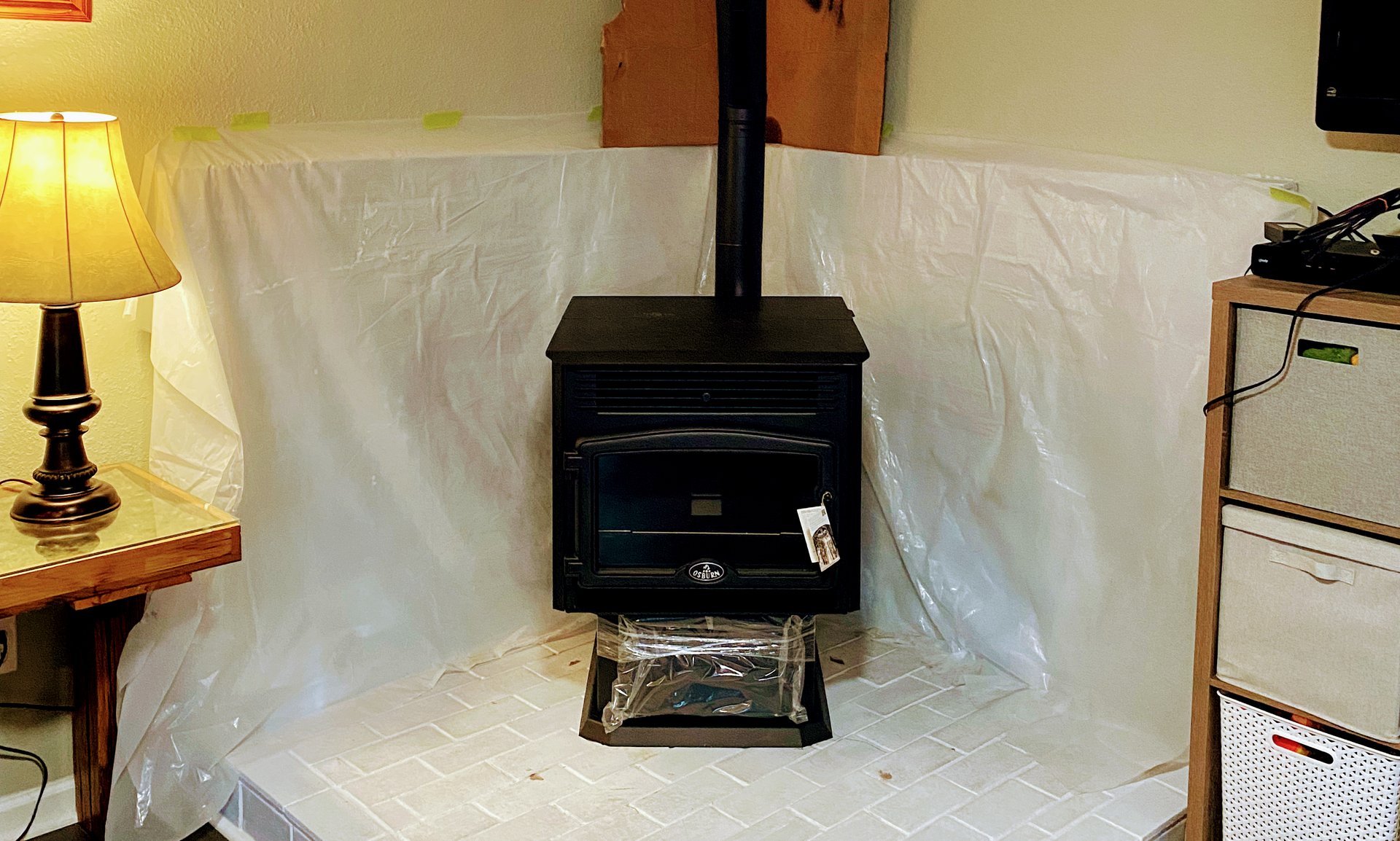
A pellet stove has fewer big parts than a wood stove and many more small moving ones. An auger feeds pellets, a blower pushes air through the burn pot, an exhaust fan sends gases outside, and a control board orchestrates all of it. The system works only as long as air can move freely, so cleanliness is the main driver of stove life.
Start with the daily and weekly routine: scrape or brush the burn pot so every air hole is open, empty the ash pan or ash trap, and wipe out the firebox when it is cold. Unplug the stove before any service. Weekly, check the glass, the hopper, and the door seal.
Once a year, give the stove a deeper cleaning. Remove and clean the exhaust blower, including the fan blades and housing, where ash and creosote cake on and throw the fan off balance. Clean the heat exchanger tubes and the exhaust passages, and inspect the firebrick and baffles for cracks. Check that every gasket is firmly in place using the same paper test. A struggling blower motor that is caught early is much less likely to take the control board or other parts with it.
Do not forget the vent. The pipe that carries exhaust outside should be checked for loose joints, holes, and buildup at every connection, especially where it passes through a wall or joins a chimney.
Do Not Overlook the Stovepipe and Chimney
Many stove problems actually start above the stove. The connector pipe and chimney are exposed to the same smoke, moisture, and creosote, and when they are dirty or damaged, the stove behind them suffers. Restricted flow forces the stove to work harder, makes it burn dirtier, and lets corrosive residue sit against metal for months.
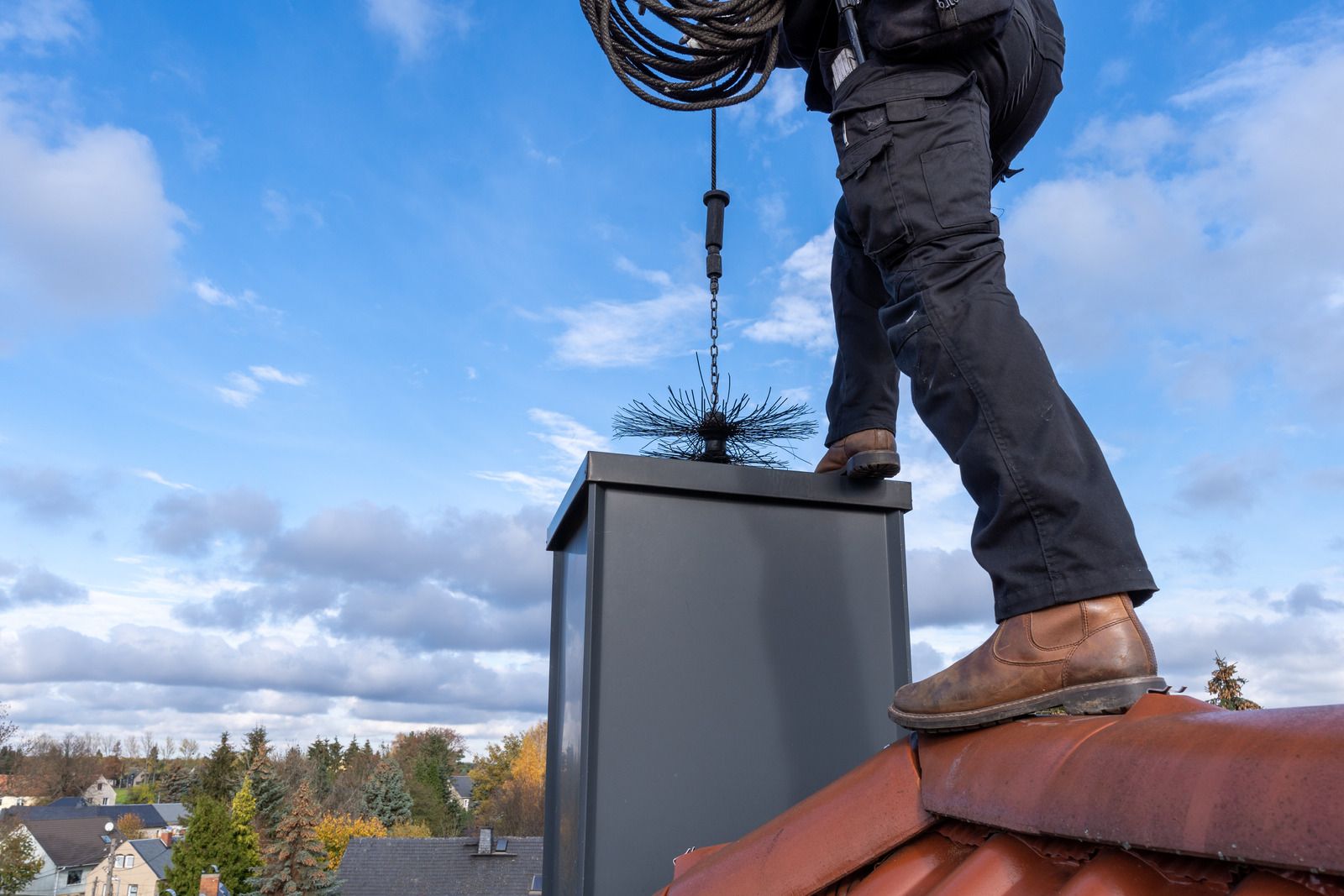
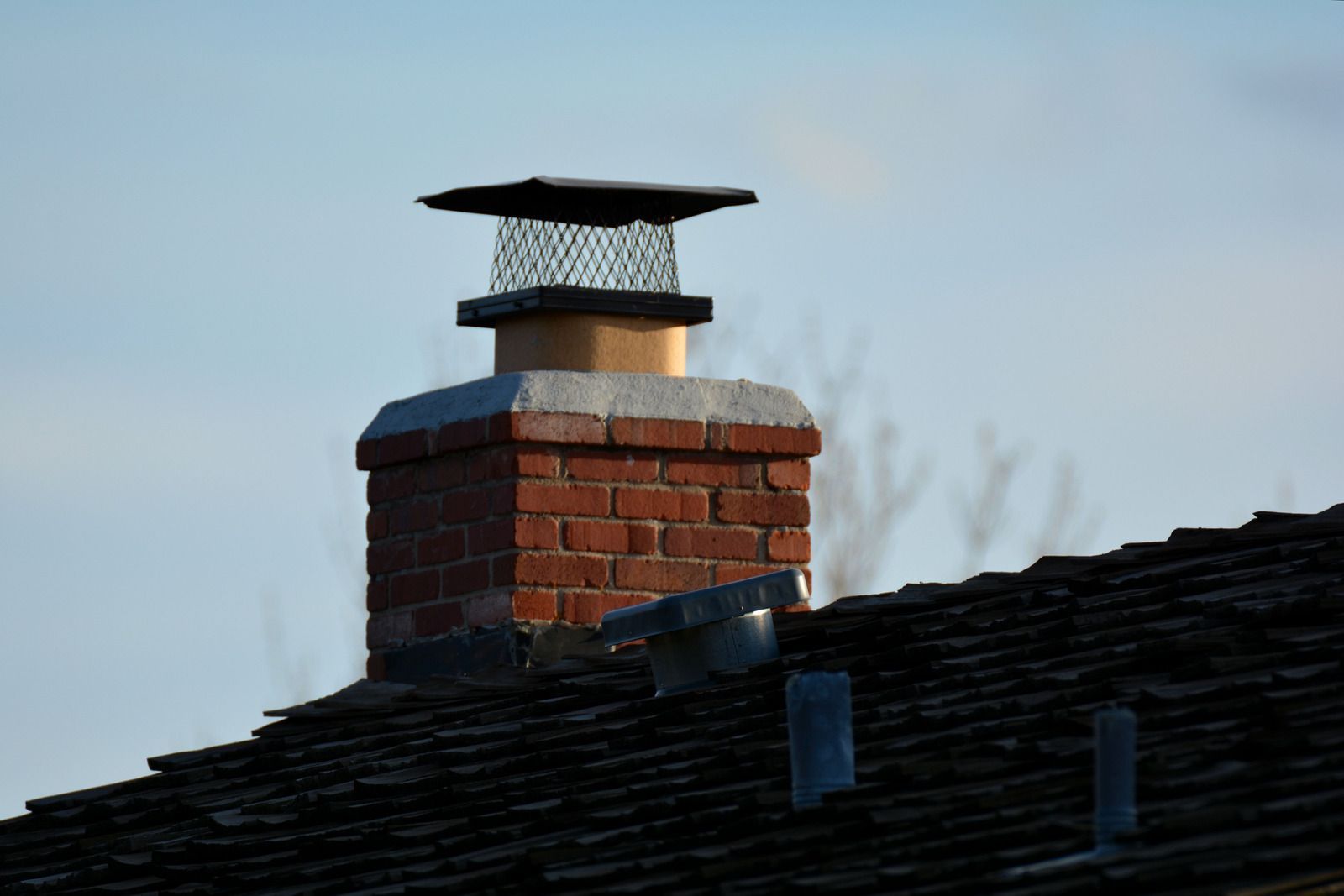
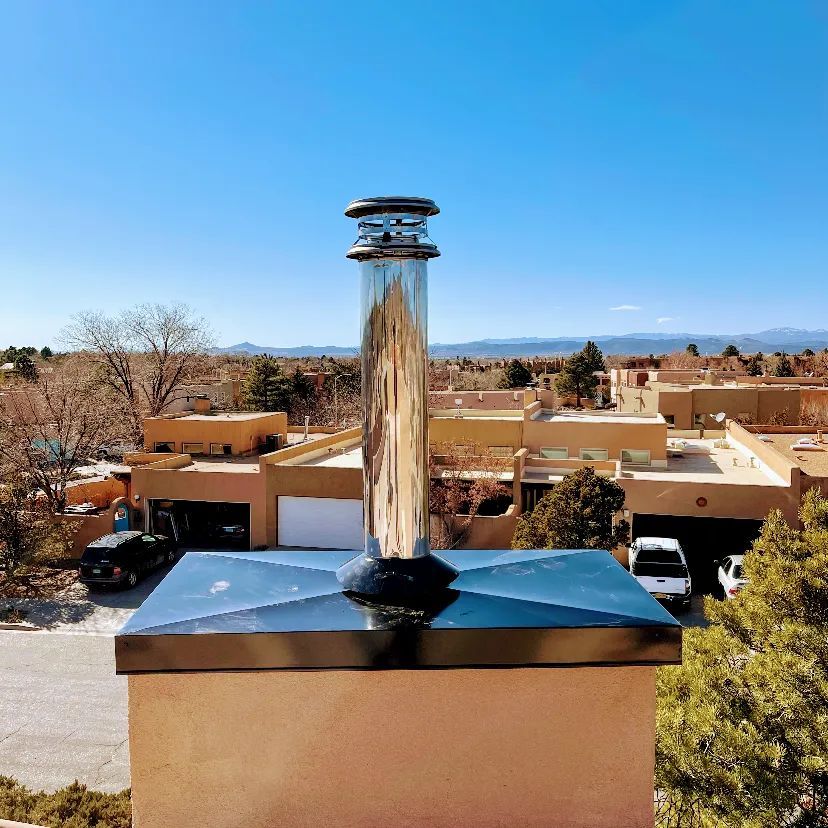
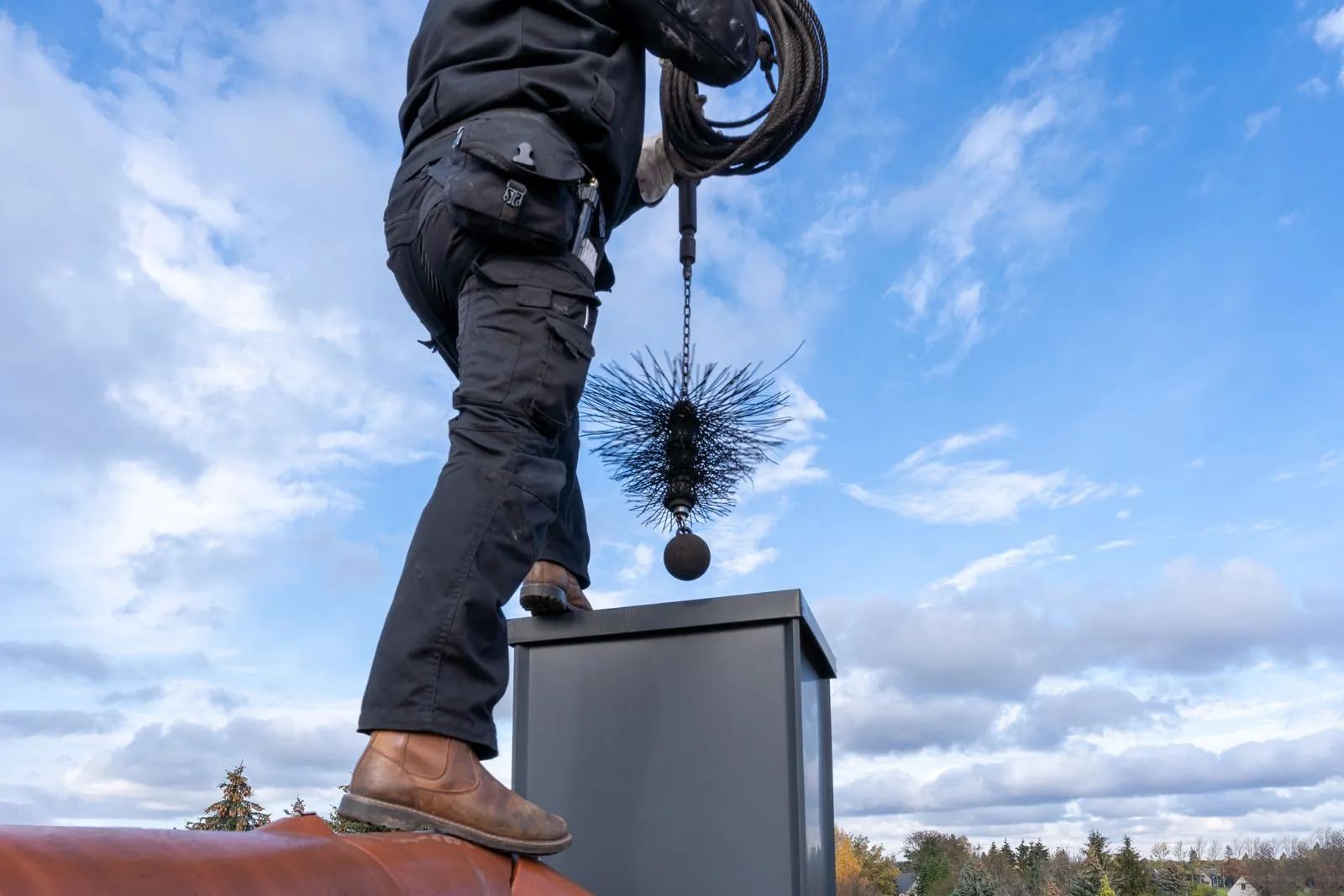
A yearly sweep and inspection removes that residue and shows you what is really happening inside the flue. Inspectors look at the liner, the cap, the joints, the clearances, and the condition of the connector. This is also the best moment to catch small trouble spots, such as a rusting pipe section or a loose seam, before they turn into a smoky living room or an unplanned shutdown in January.
Northern New Mexico adds its own wrinkles. Winter nights are cold enough that stoves run for long stretches, and homes at this elevation have thinner air, which can affect how a fire draws and burns. A stove that was installed and tuned correctly handles this well, but one that has gone a few years without attention may struggle. Dry spring winds and summer monsoon moisture can also leave their mark on caps, crowns, and exposed pipe over the off season.
A Simple Yearly Routine You Can Actually Keep
A routine is easier to keep when it is short and tied to the calendar. This one fits most households:
Spring
Once the last fire is out and the stove is cold, remove the ash, brush out the firebox, and look over the glass, gaskets, and firebrick. This is the best time to order parts, because you aren't rushing before the first cold snap. For pellet stoves, empty the hopper of pellets you won't use so they don't absorb moisture over the summer.
Summer
Schedule the chimney sweep and inspection. Appointments are easier to get, and any repairs can be finished without the pressure of a cold house.
Early Fall
Run the stove for a short test fire, watch how it lights, listen for odd noises, and check for smoke at the door or pipe joints. Make sure your smoke and carbon monoxide detectors have fresh batteries.
Through The Winter
Keep the wood dry, burn hot enough to stay clean, and empty ash into a metal container with a lid, stored well away from the house. Glance at the gasket, glass, and pipe once a month.
When Repair Is Worth Doing and When Replacement Makes Sense
Most wear is repairable. Gaskets, glass, firebrick, baffles, and many interior plates are designed to be swapped out. A stove whose body is cracked or warped, whose welds have failed, or which has been repeatedly overfired may have reached the end of its useful life. If you find yourself in that position, it is worth discussing a replacement with a professional who can assess clearances, venting, and sizing for your home rather than simply reusing an older setup. A new unit installed to current manufacturer specifications, with correct clearances to combustible materials, will keep running safely for decades if it is cared for the way this guide describes.
Frequently Asked Questions
How long should a wood or pellet stove last?
With regular care, a quality wood stove can run for decades, and many pellet stoves serve dependably for years. Dry fuel, controlled burn temperatures, and a yearly cleaning and inspection routine make the biggest difference.
How often should I clean my wood stove?
Remove excess ash regularly, leaving a thin layer to insulate coals, and wipe the glass as needed. Clean the firebox and connector pipe thoroughly at least once a year, more often if you burn daily.
How do I know if my door gasket needs replacing?
Close the cold stove's door on a strip of paper and tug it. If it slides out easily, the seal is loose. Frayed rope, smoke stains, and fast burning also signal wear.
Is it normal for firebrick to crack?
Thin hairline cracks are common and usually harmless. Loose, crumbling, or missing pieces should be replaced, since the steel behind the brick cannot handle direct flame. Always match the brick type your manufacturer specifies.
Why does my pellet stove keep shutting down?
Common causes include a clogged burn pot, dirty exhaust blower, blocked vent, damp pellets, or worn door seal. Unplug the stove, let it cool, and clean those parts. If shutdowns continue, call a professional.
Does my stove still need a chimney sweep if I burn only seasoned wood or good pellets?
Yes. Dry fuel reduces buildup but does not eliminate it, and moisture, debris, and animal nesting can still affect the flue. A yearly sweep and inspection confirms your vent system is safe.
Giving Your Stove Many Winters of Service
A stove that is cared for can warm a home for decades, and the habits behind that are simple ones. Dry fuel, a clean and hot burn, quick attention to worn gaskets and firebrick, and a vent system that is checked every year protect the metal from the smoke and moisture that wear it down. Spending a little time on these tasks each spring and fall keeps small problems from growing into expensive ones, and it keeps the fire dependable all season.
Shawn's Chimney Sweep & Stove Company
has served Santa Fe, NM for 40
years, and its technicians know how long, cold winters push
wood and pellet stoves hard. Clearing creosote and soot, then checking the liner, cap, and joints, gives owners a clear view of what their system needs. With that knowledge, the stove that heats the house today can keep doing its job for many winters to come.